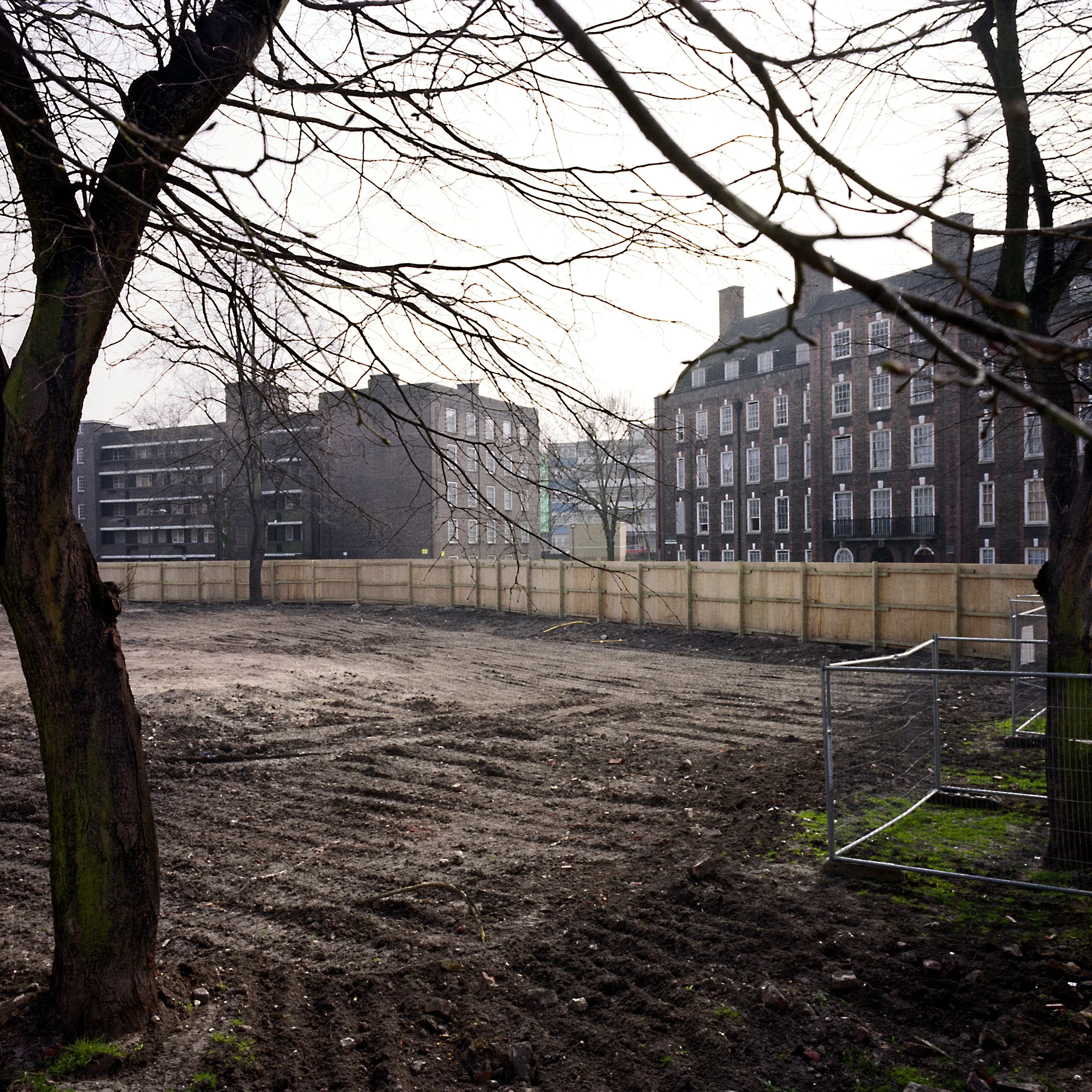
ALL THINGS MUST PASS. Longbow House. 1999 - 2003
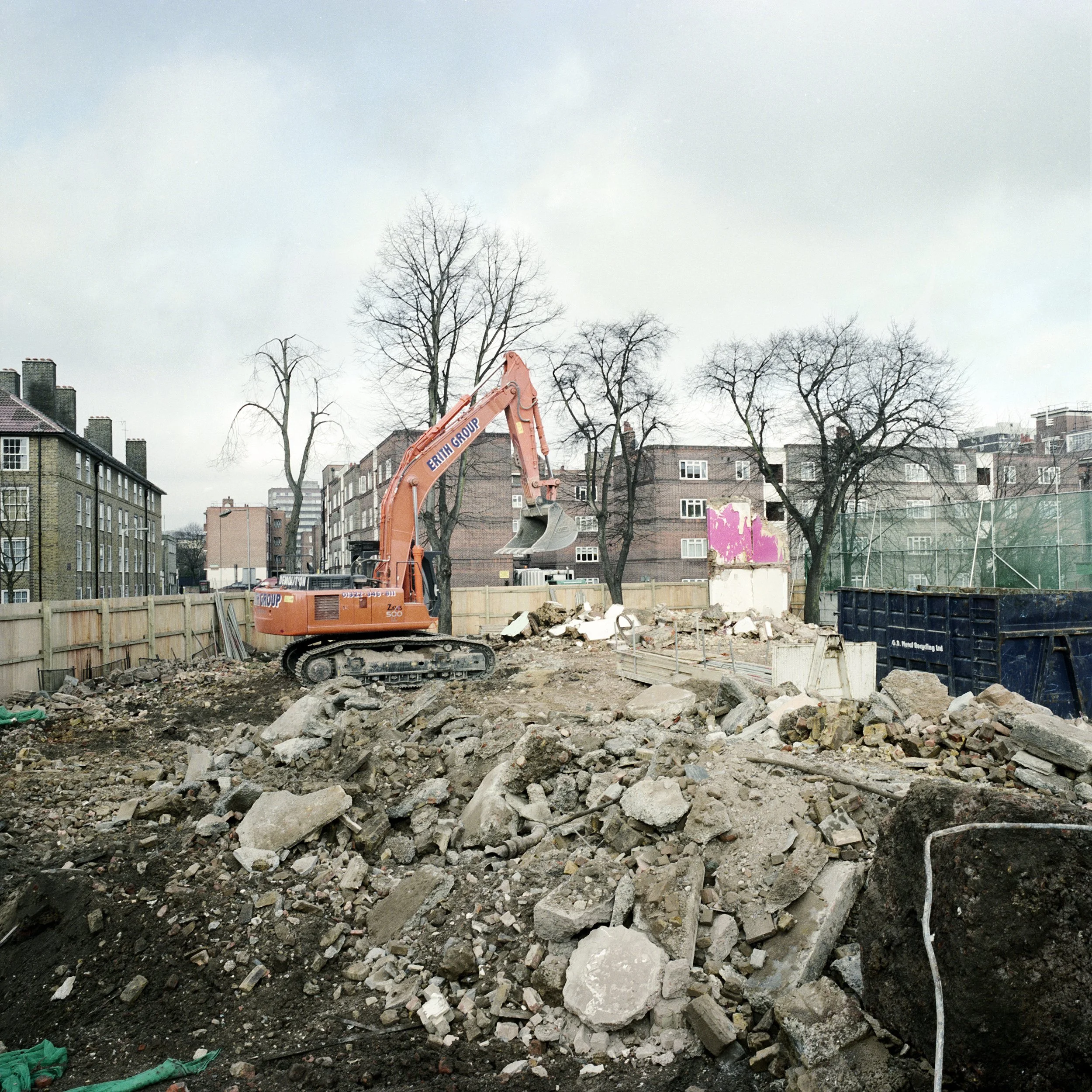
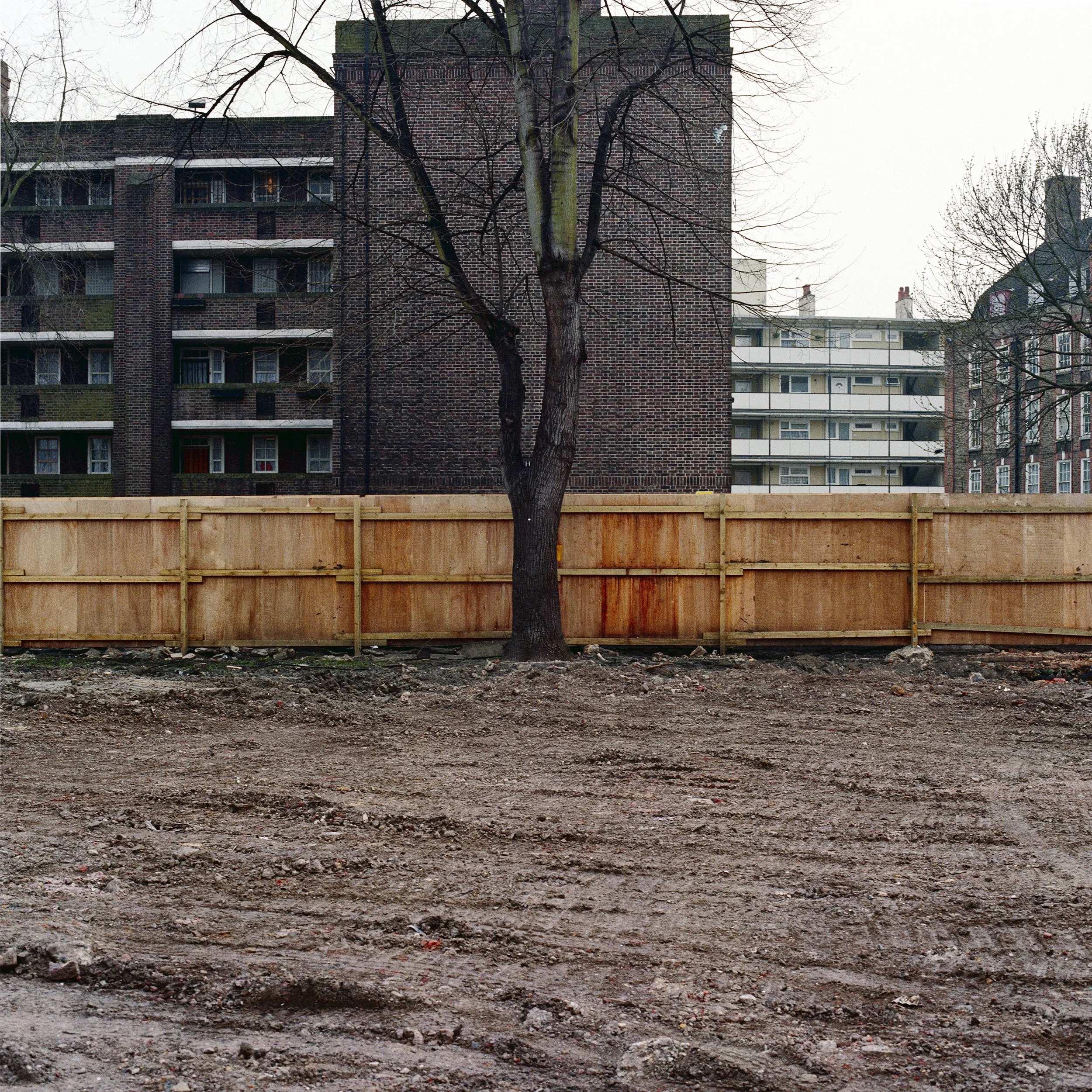
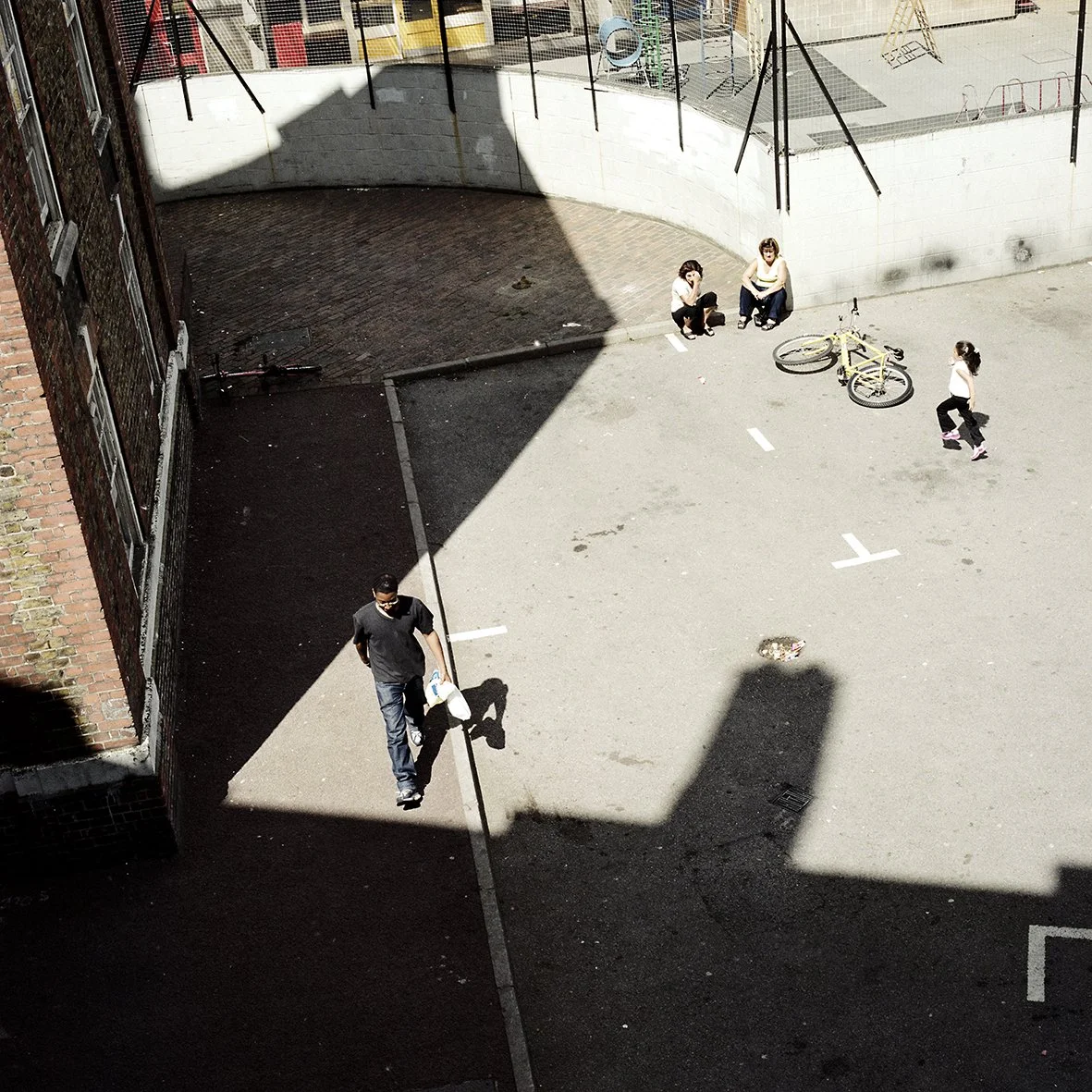
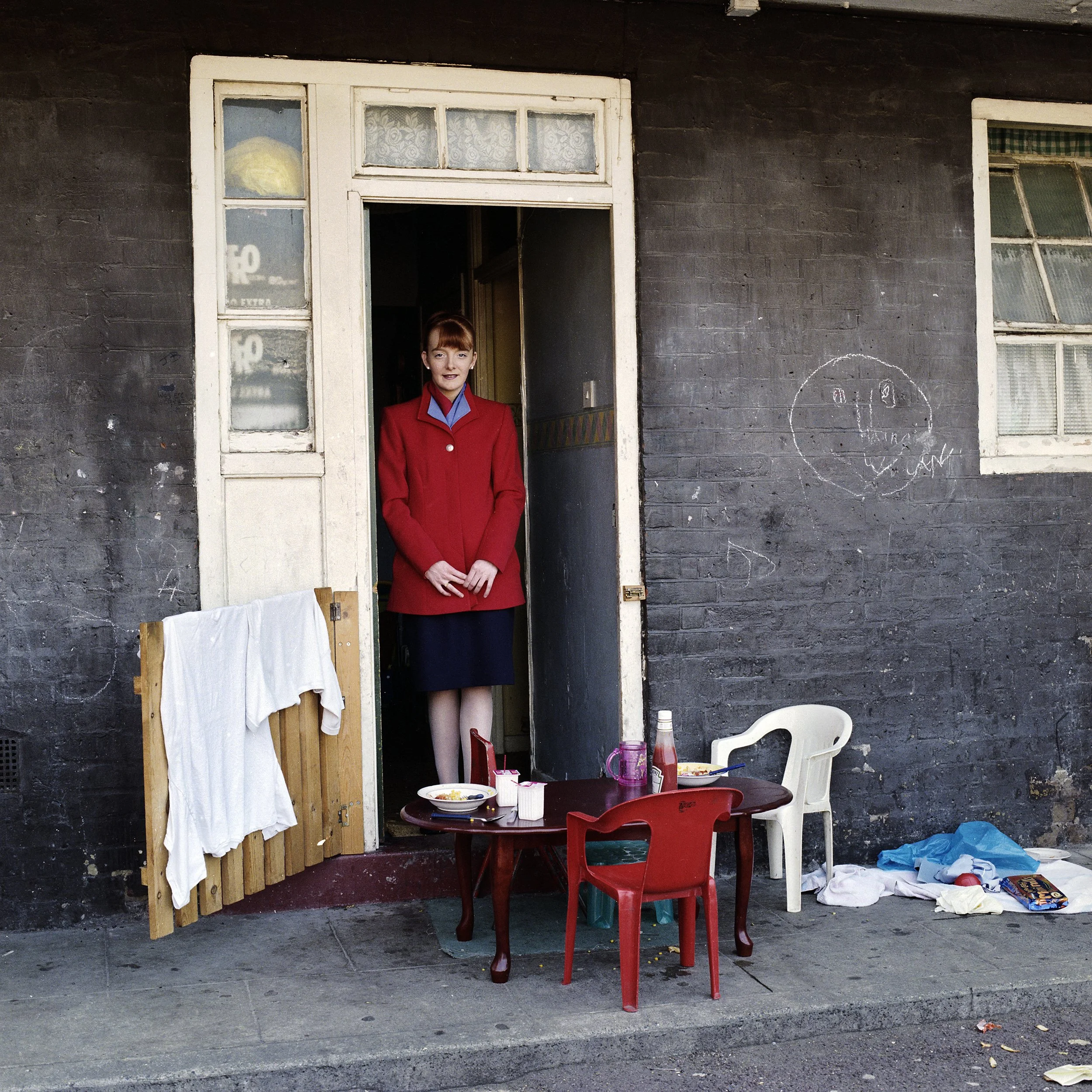
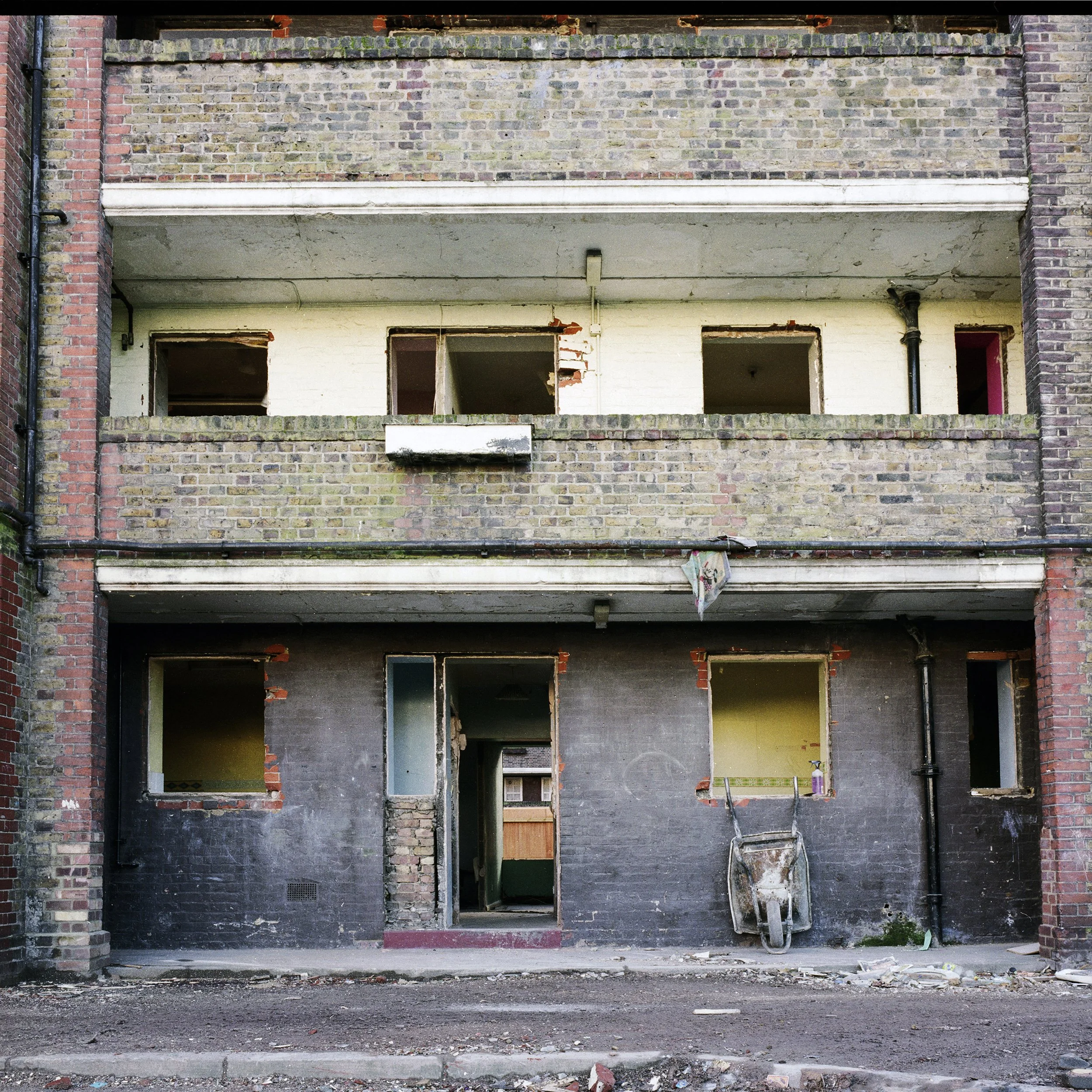
A photo documentary about the demolition of a block of flats in Hoxton.
Longbow House at the London Museum
The Guardian on Whatever Happened to Council Housing? Museum of London, 2004
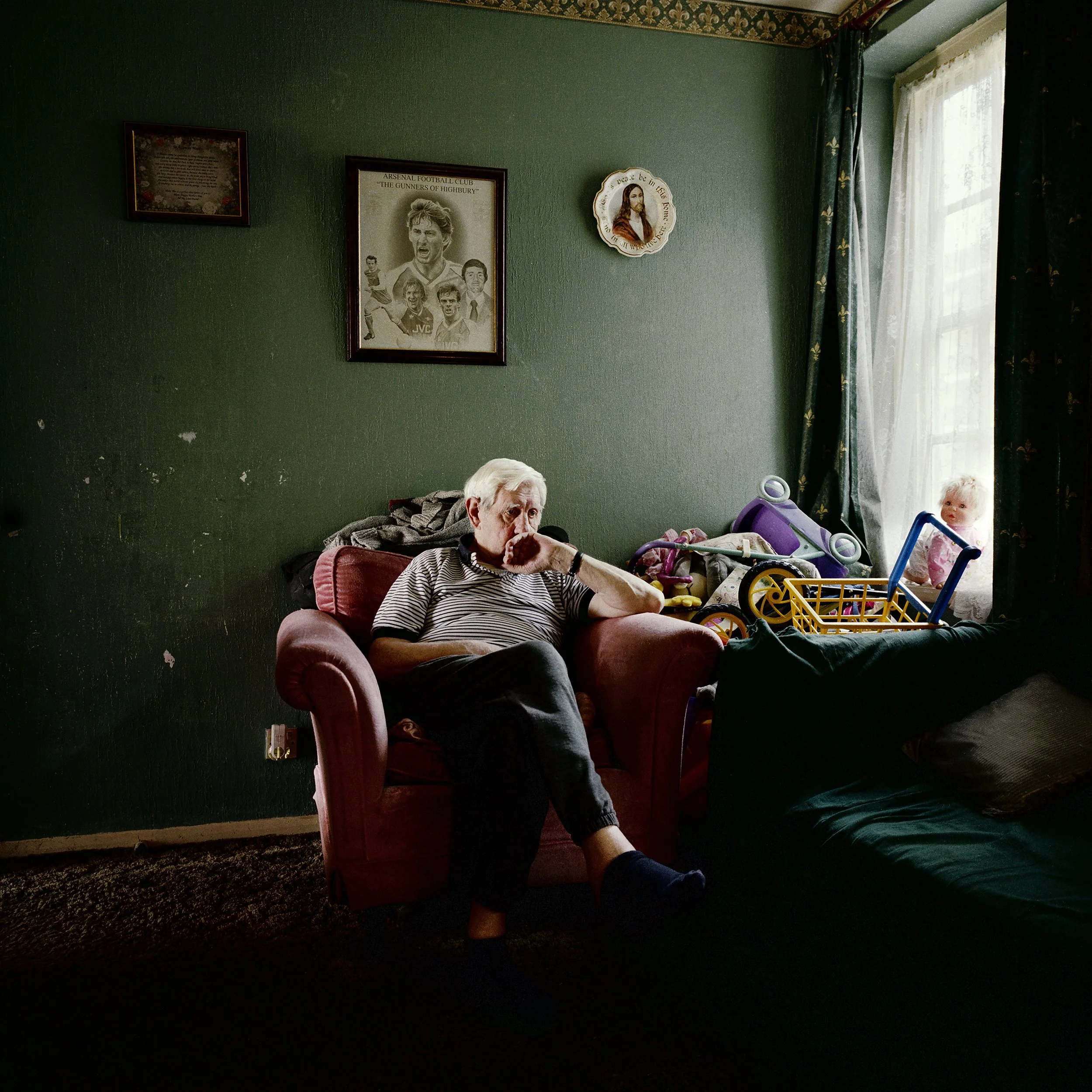
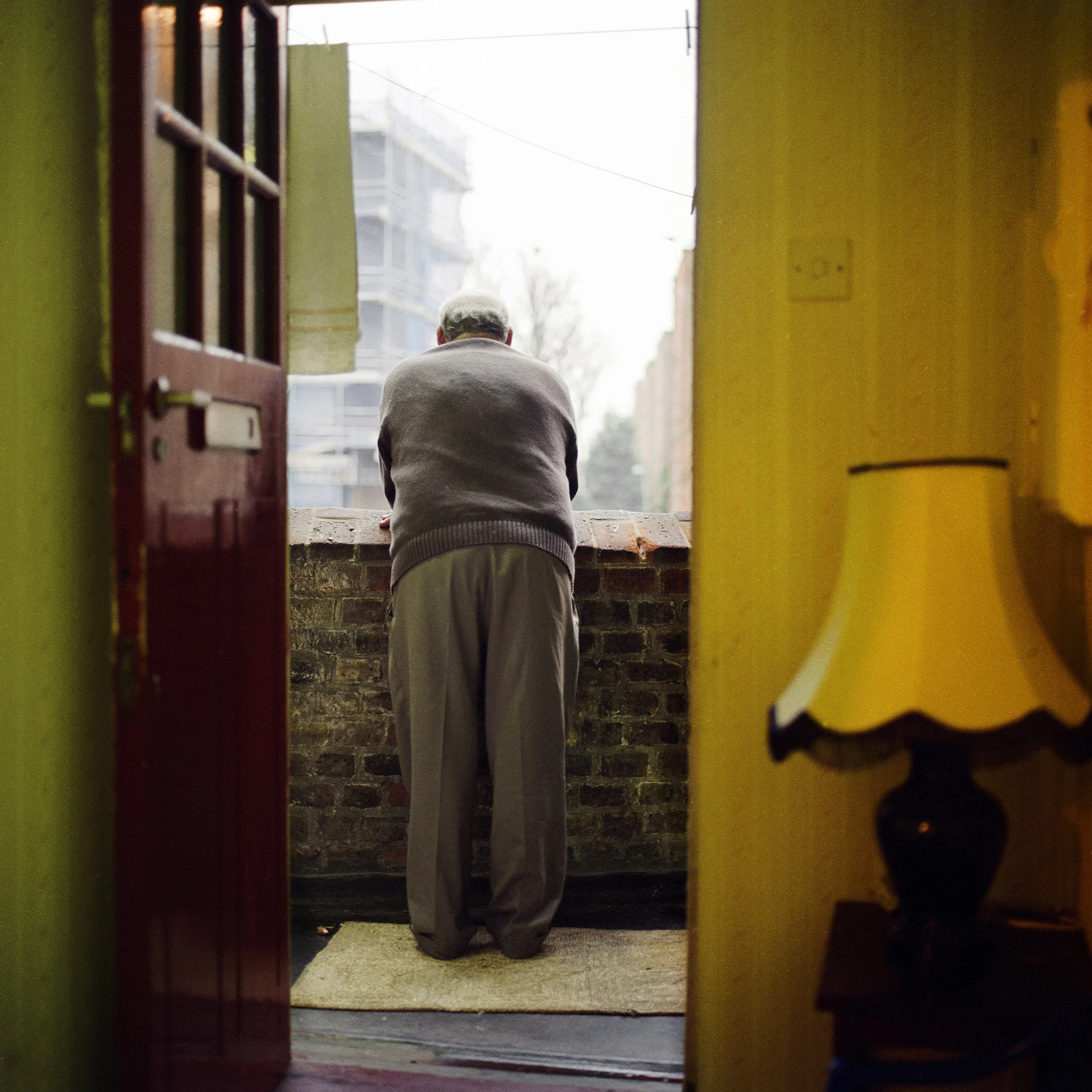
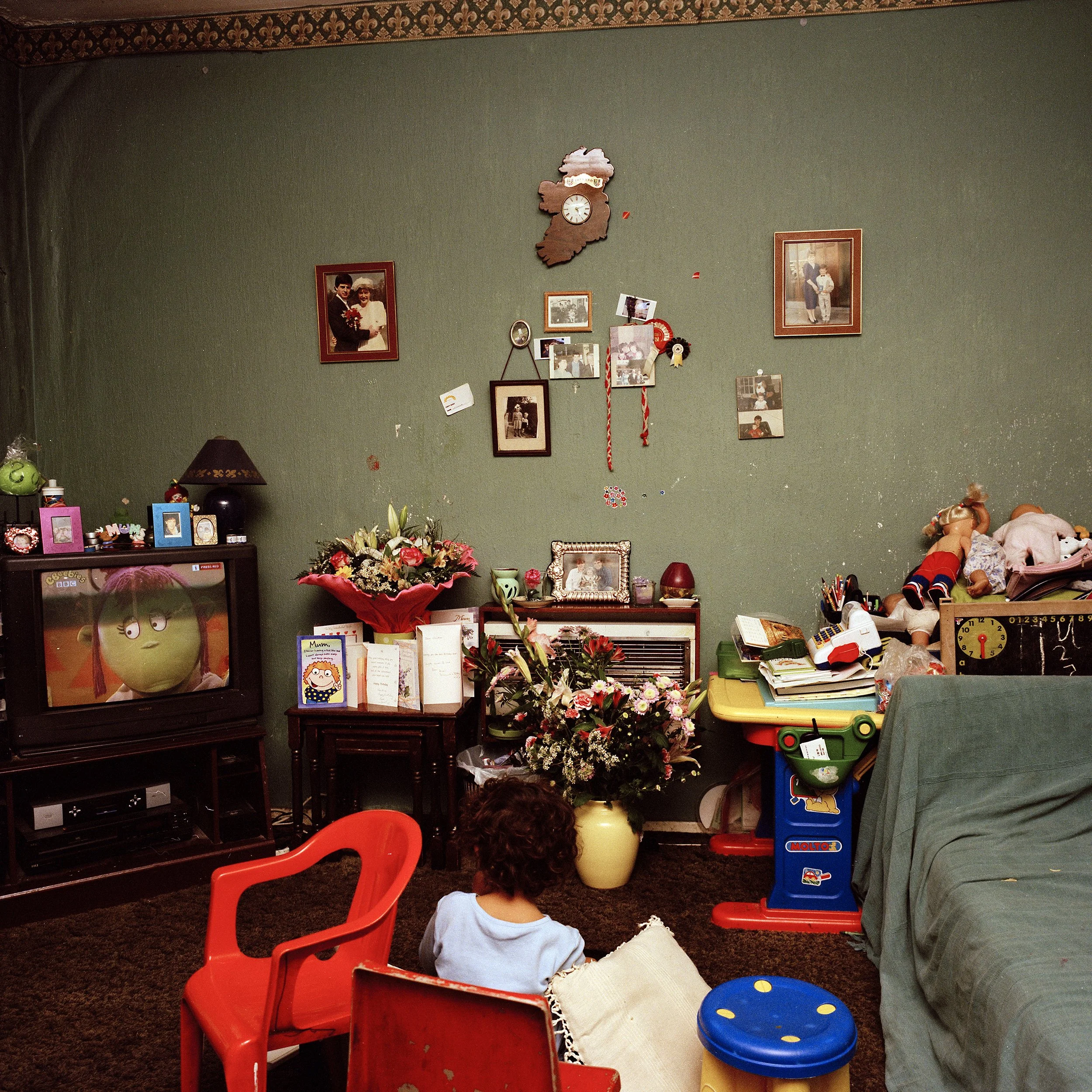
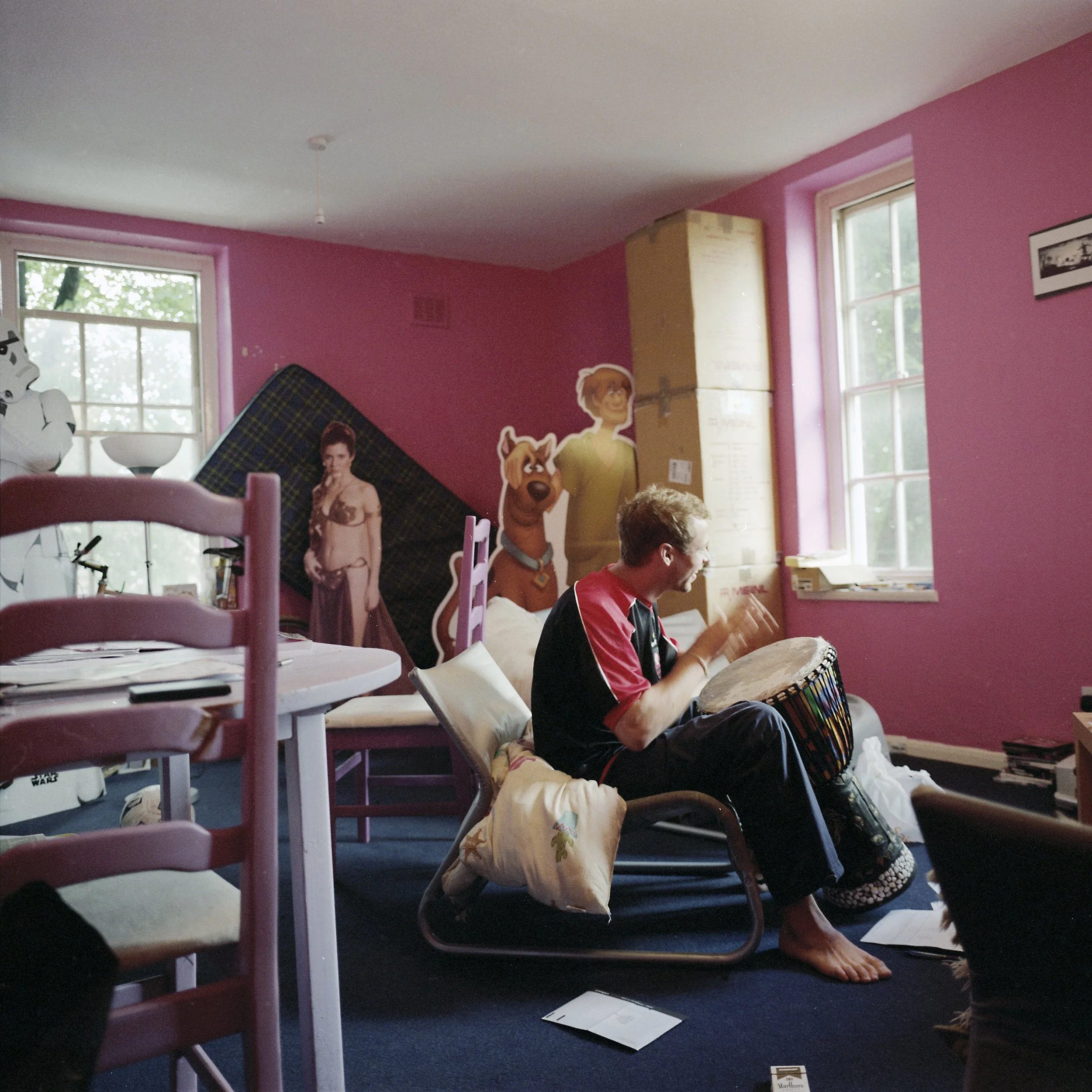
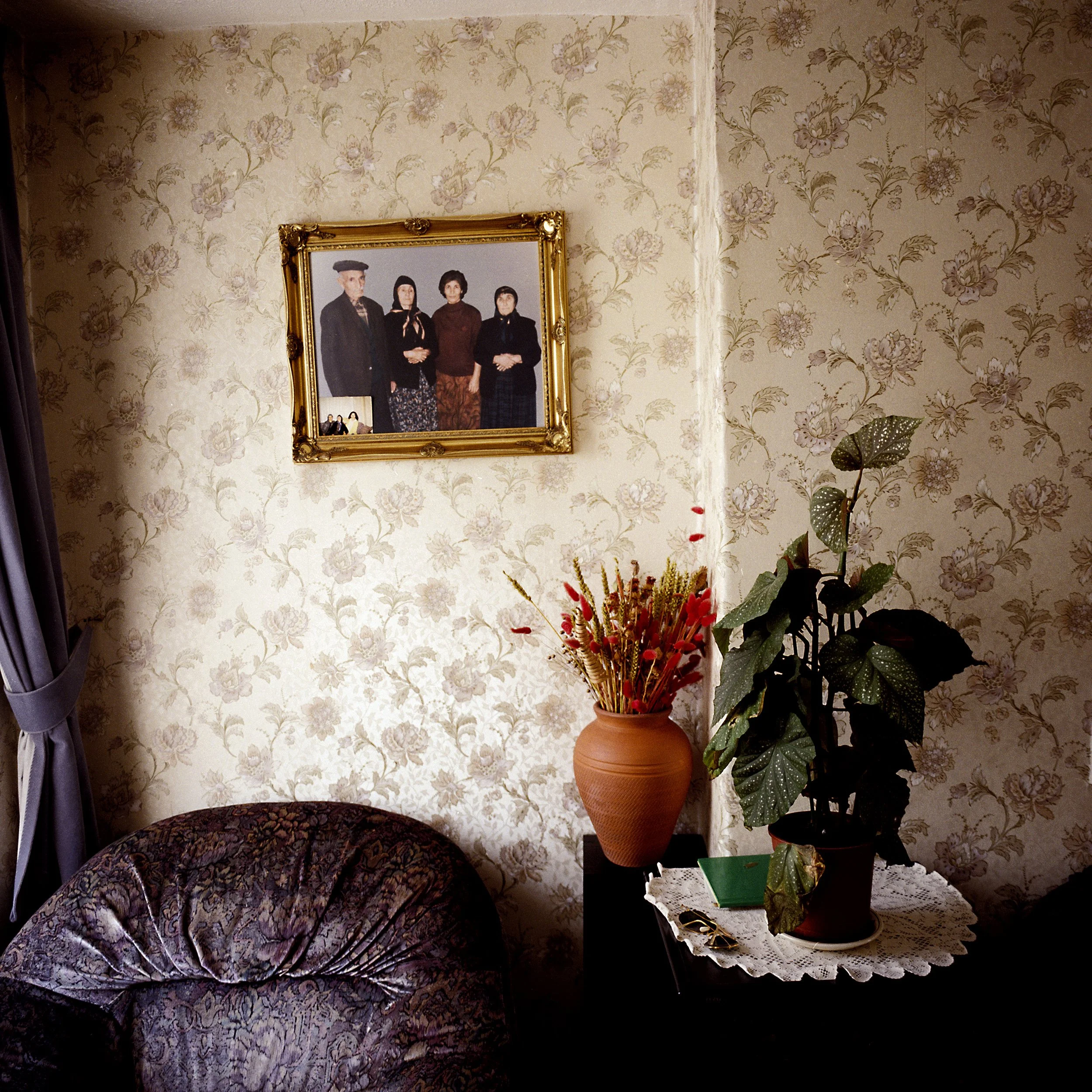
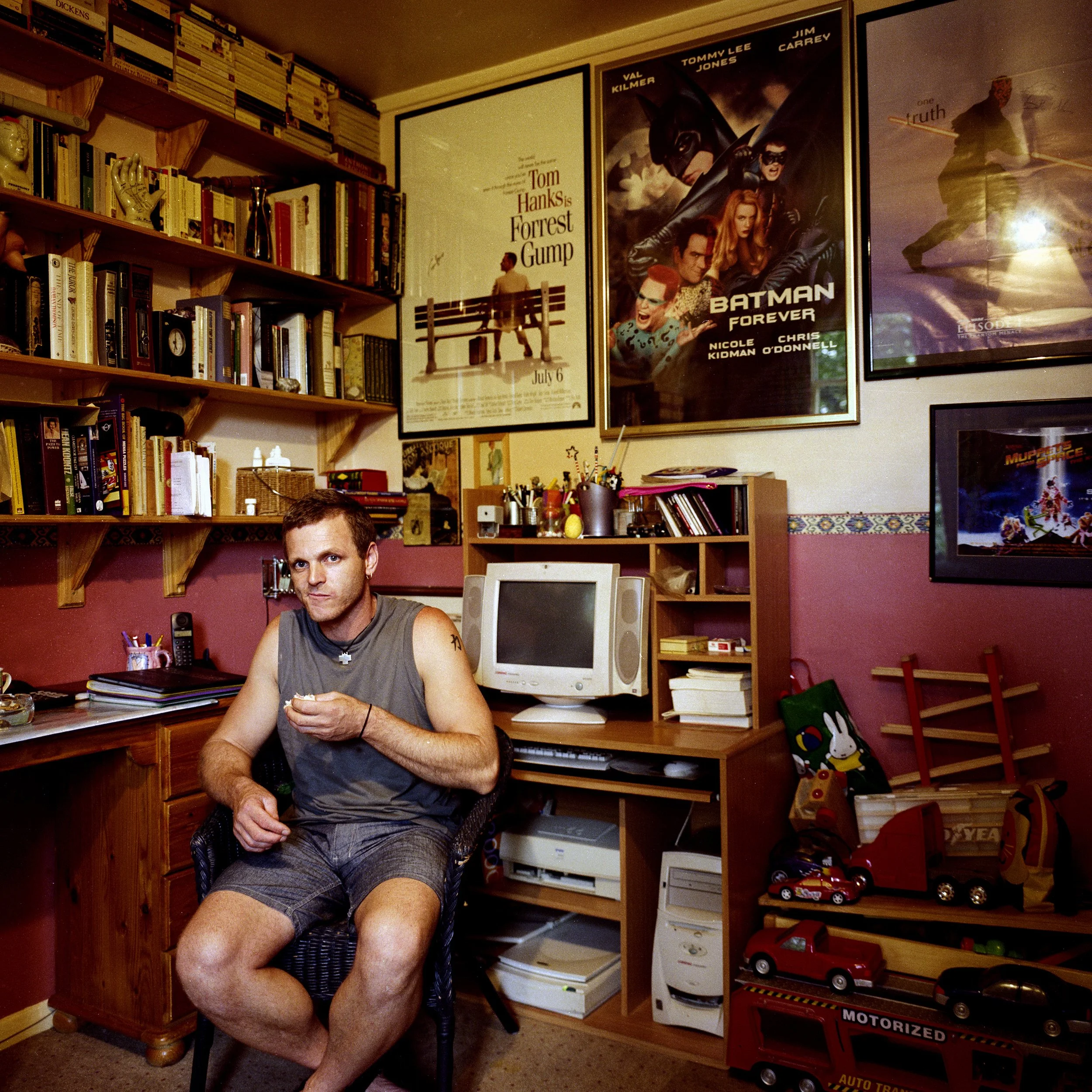
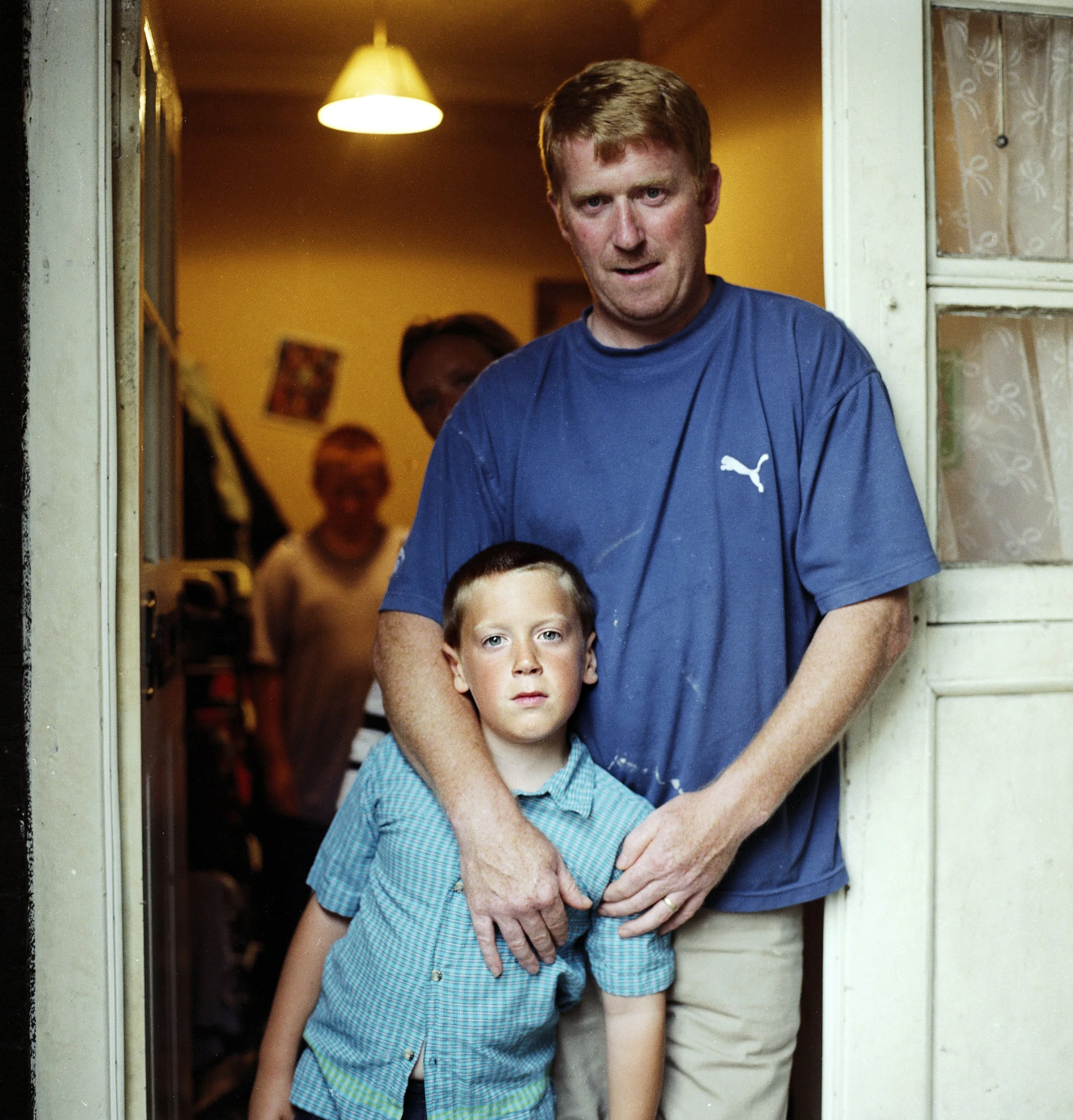
Mr Kelleher, Longbow House, 1999. Highly commended, John Kobal Awards, National Portrait Gallery, 2002. 3rd Place, Professional, Editorial — Photo Essay, International Photography Awards, 2004, presented at the Lucie Awards ceremony, New York. Part of the permanent collection of the London Museum.
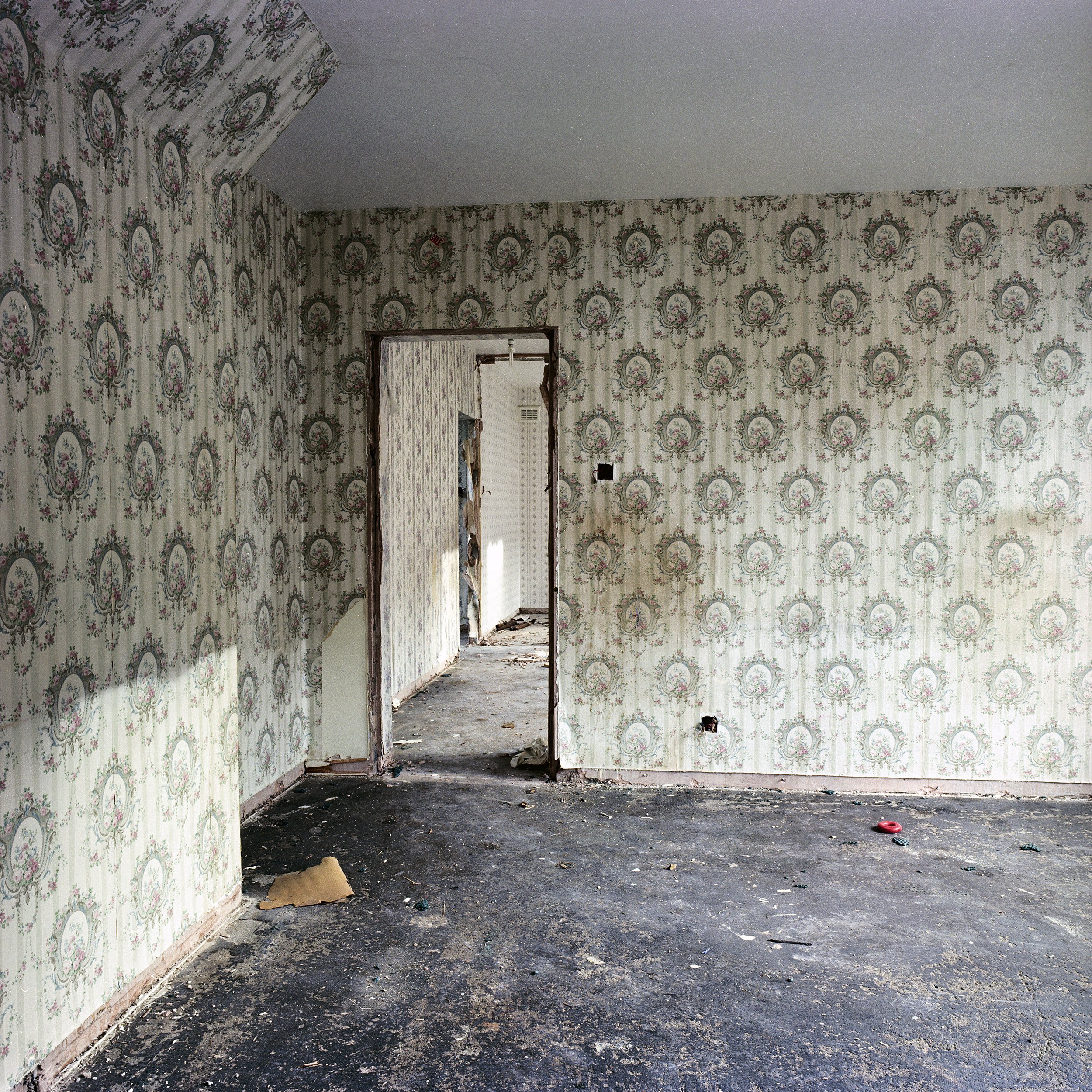
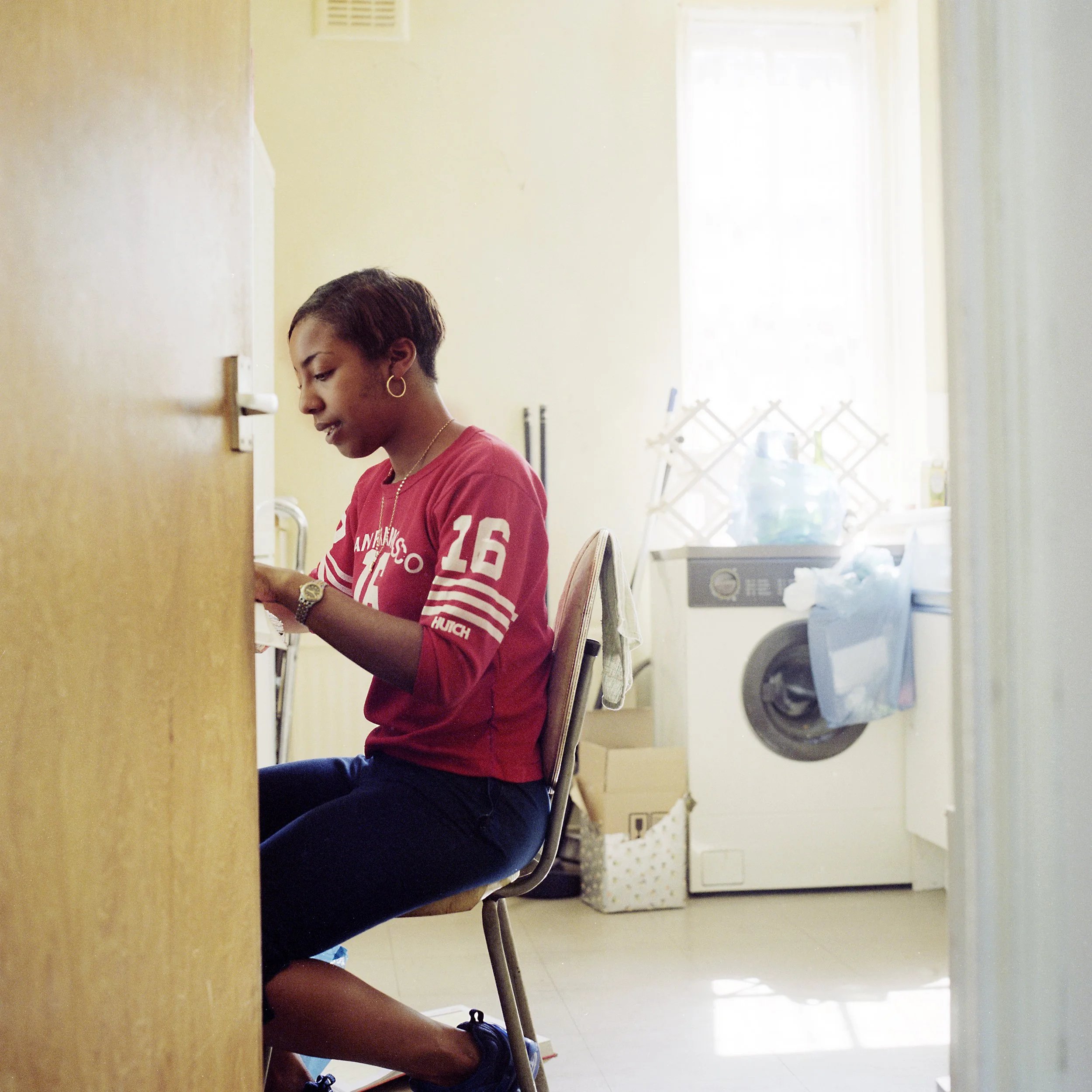
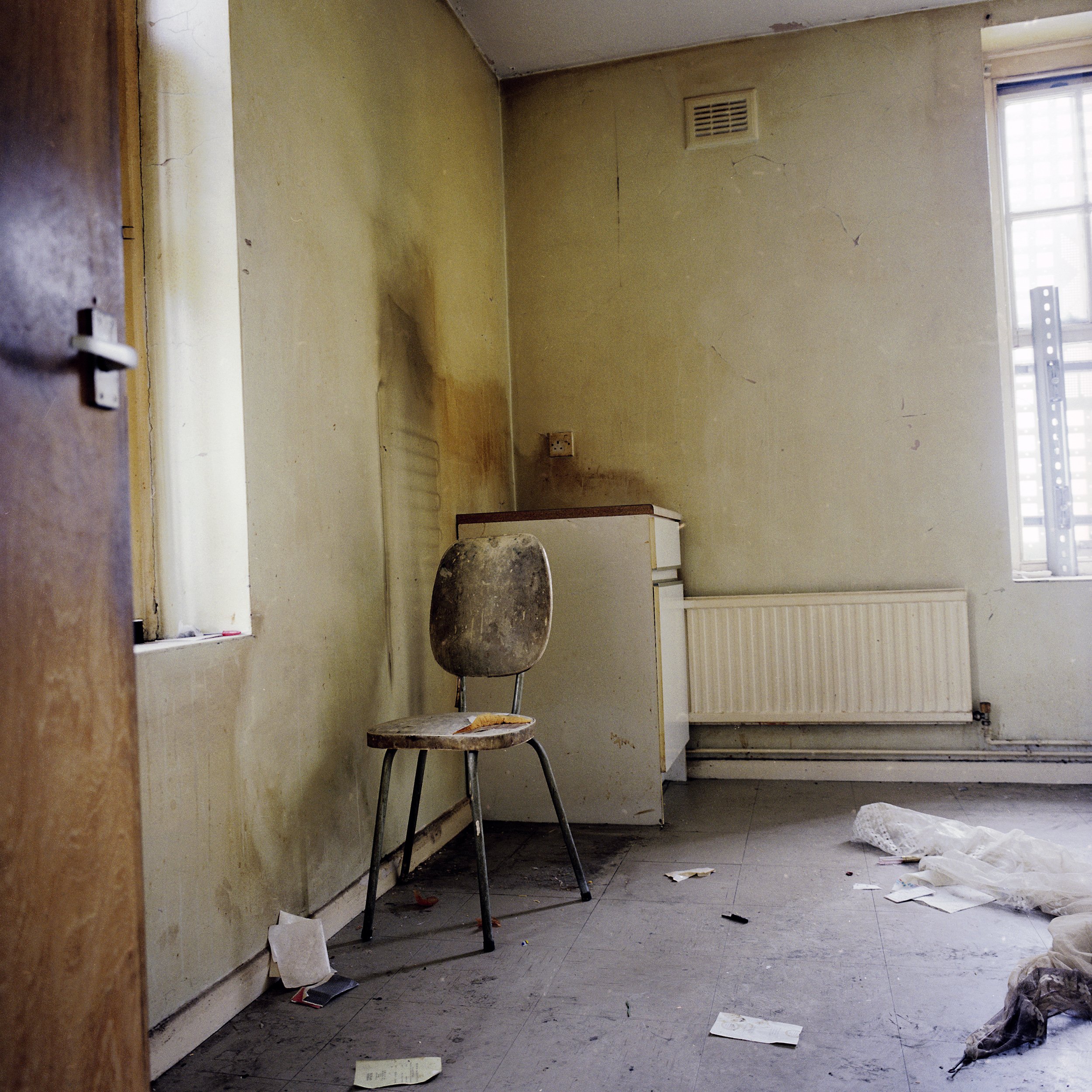
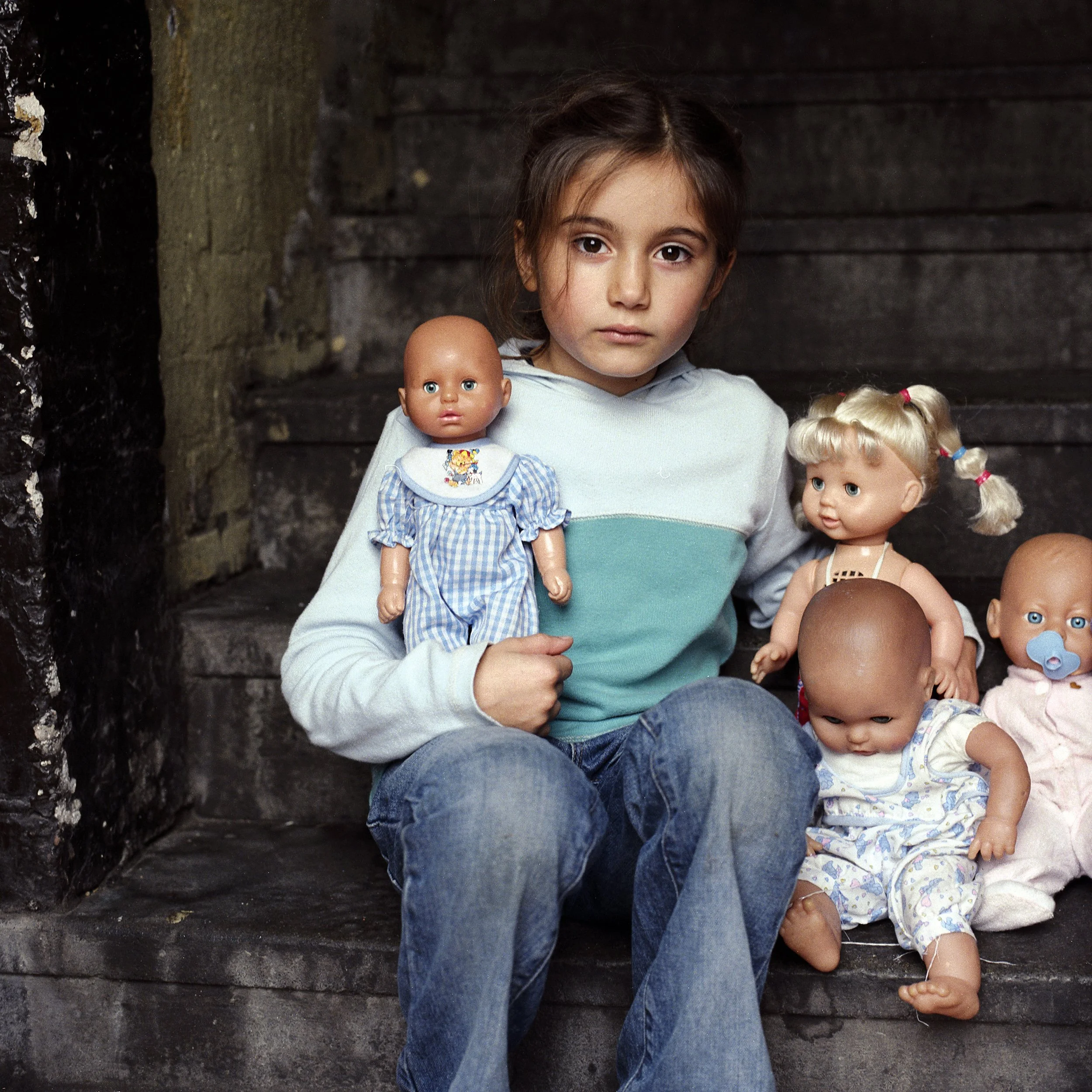
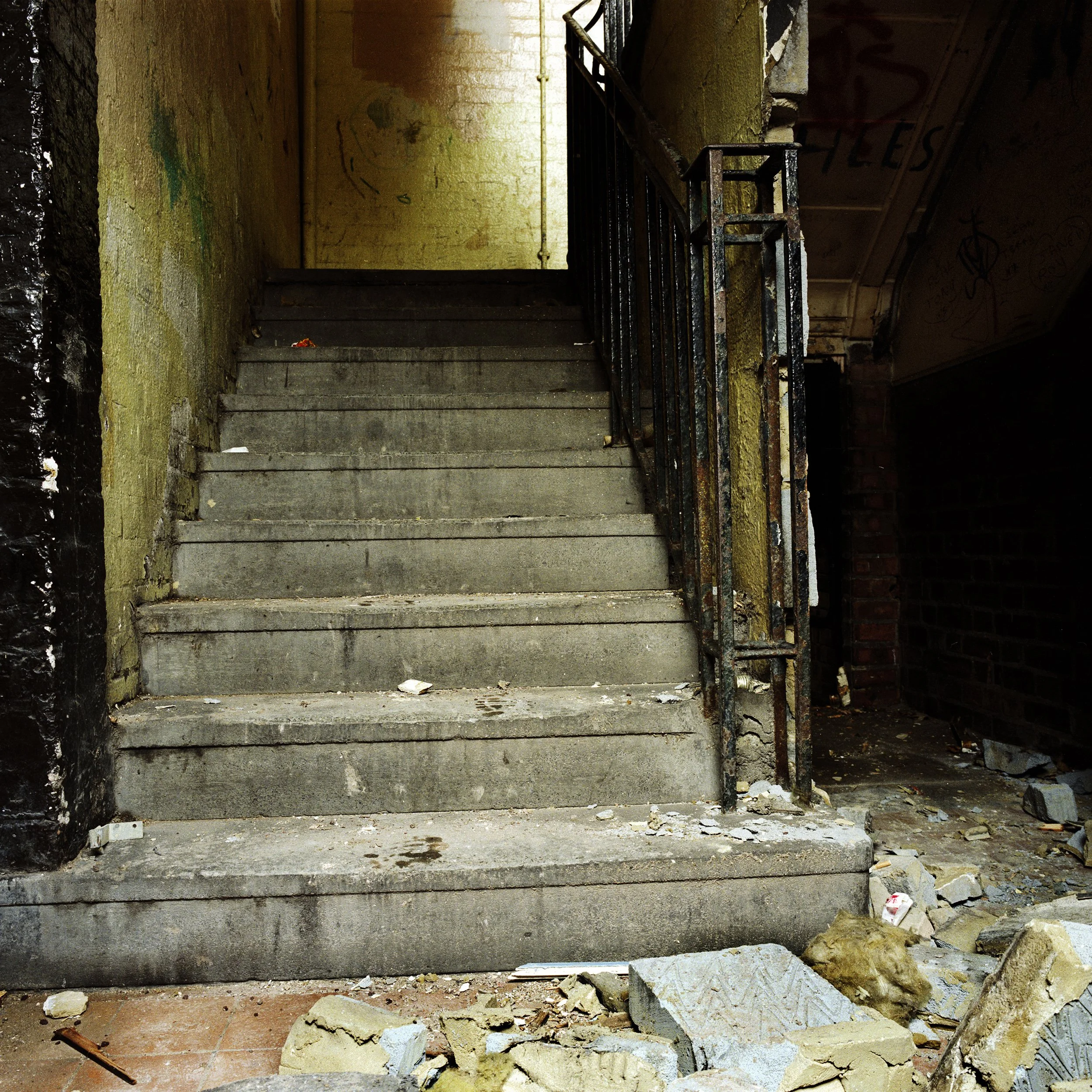
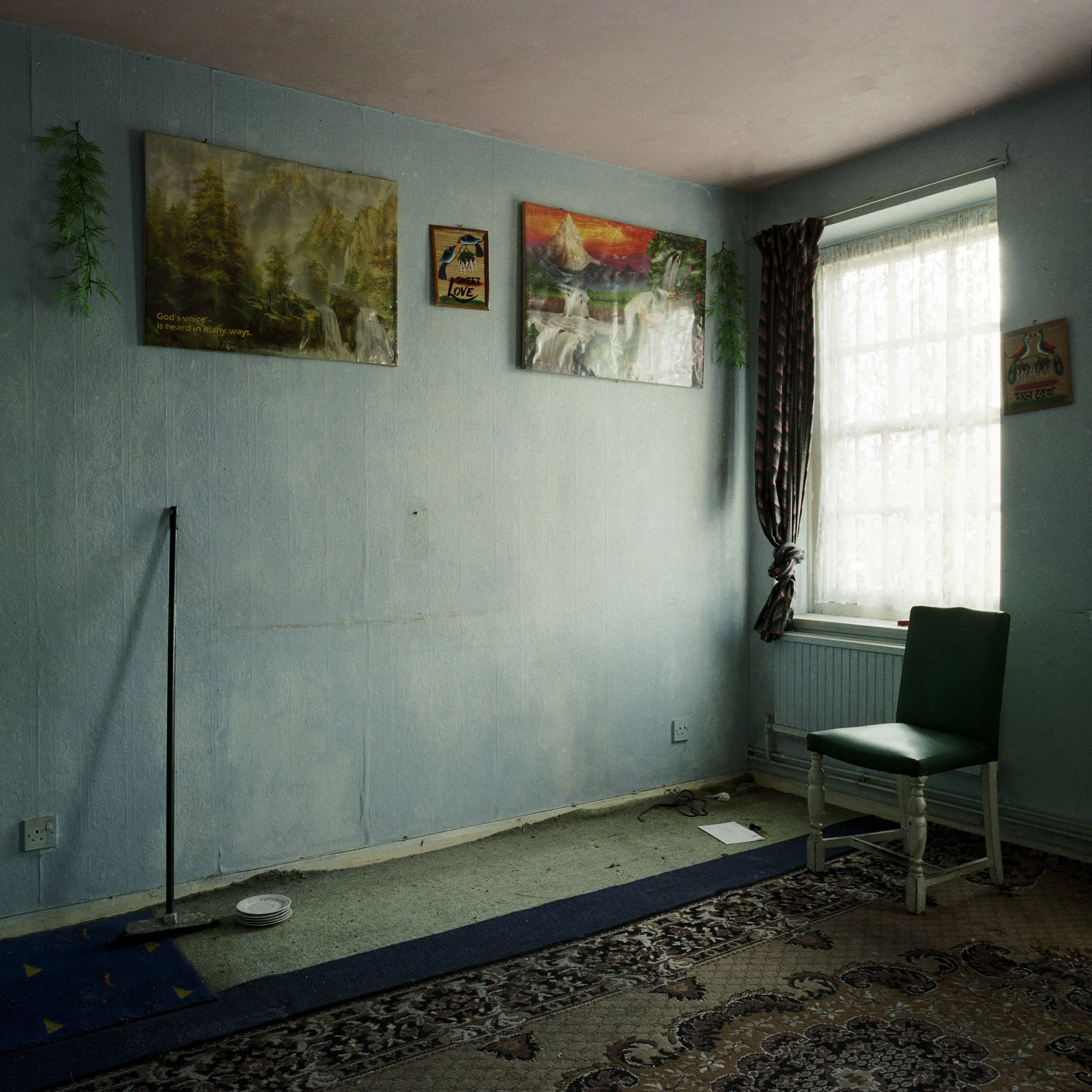
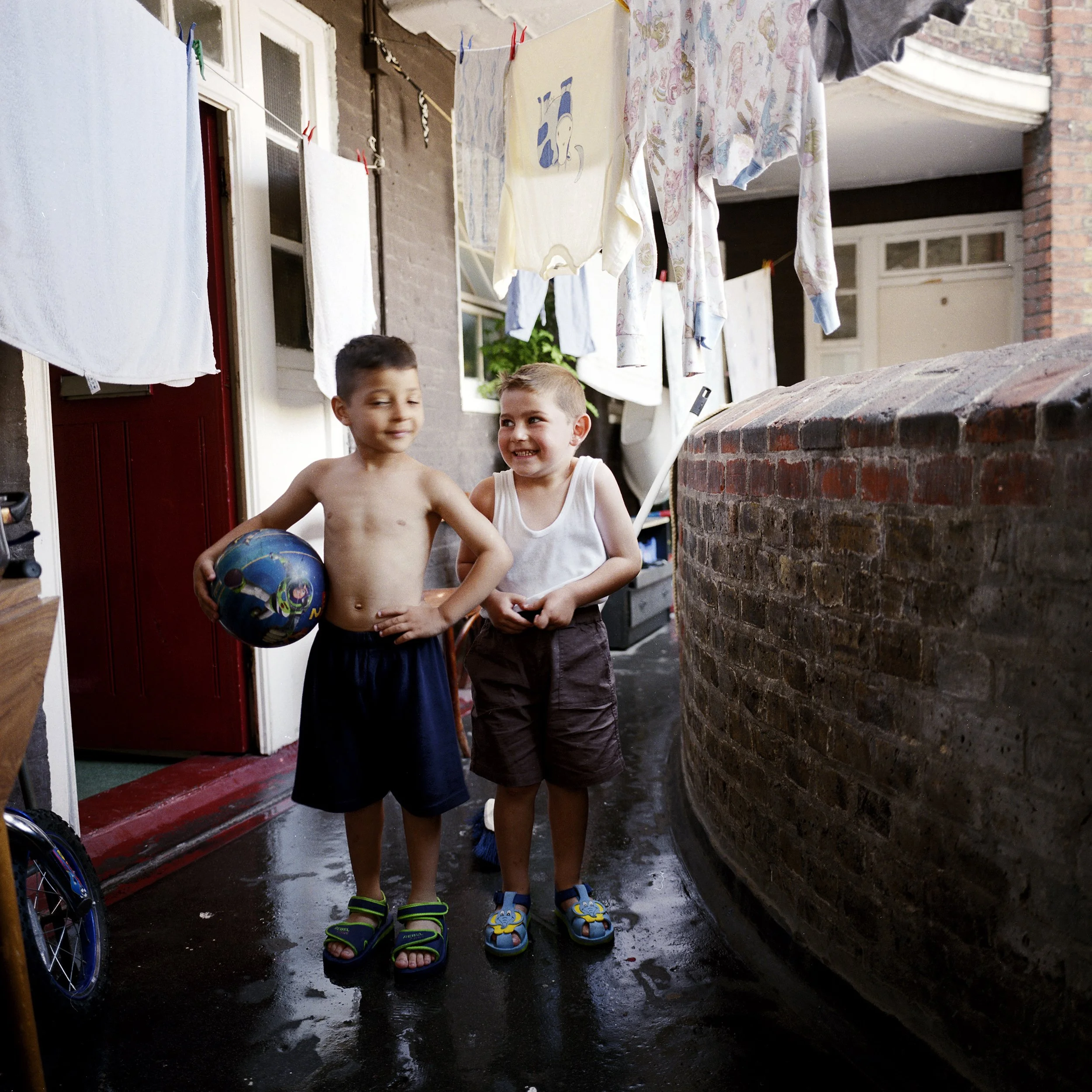
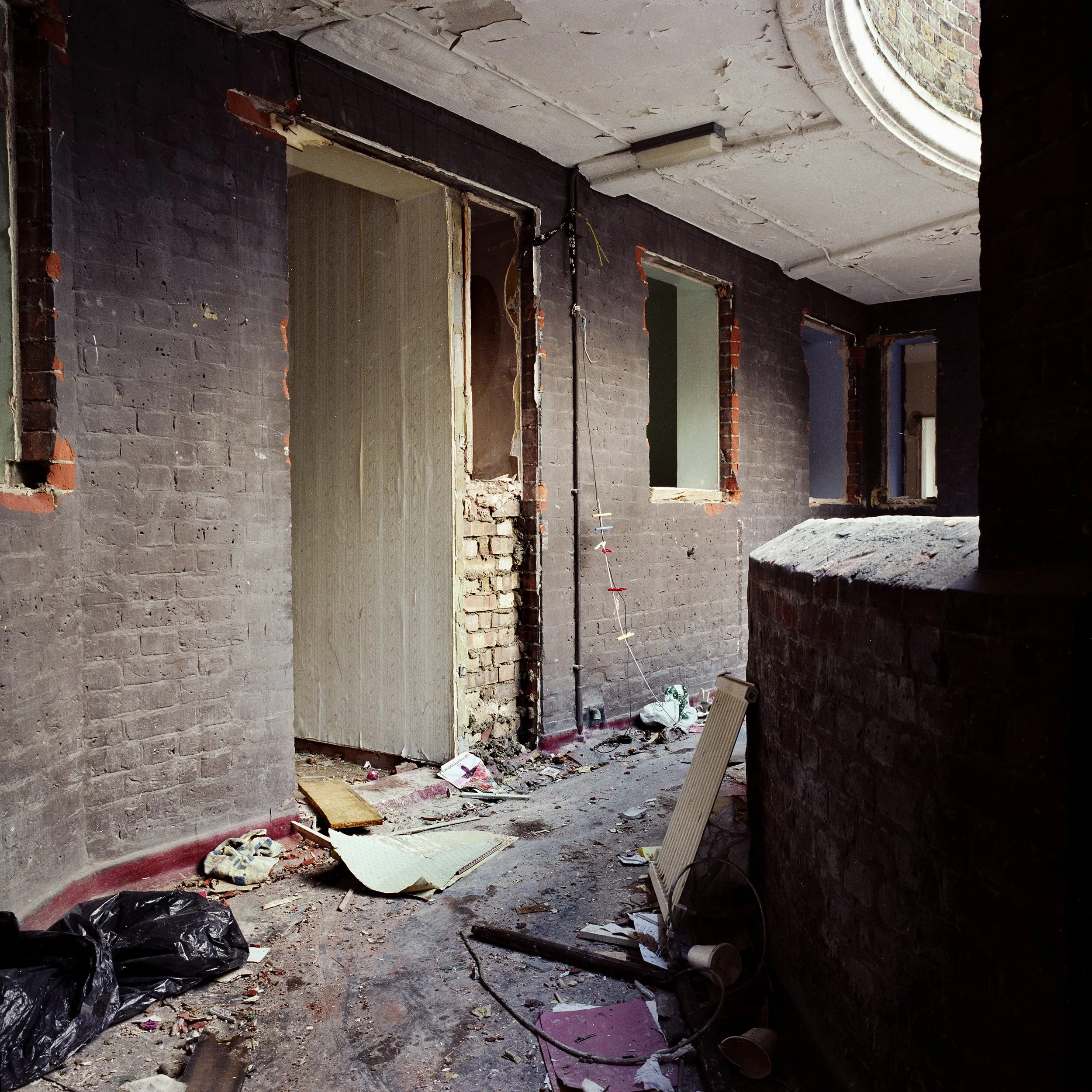
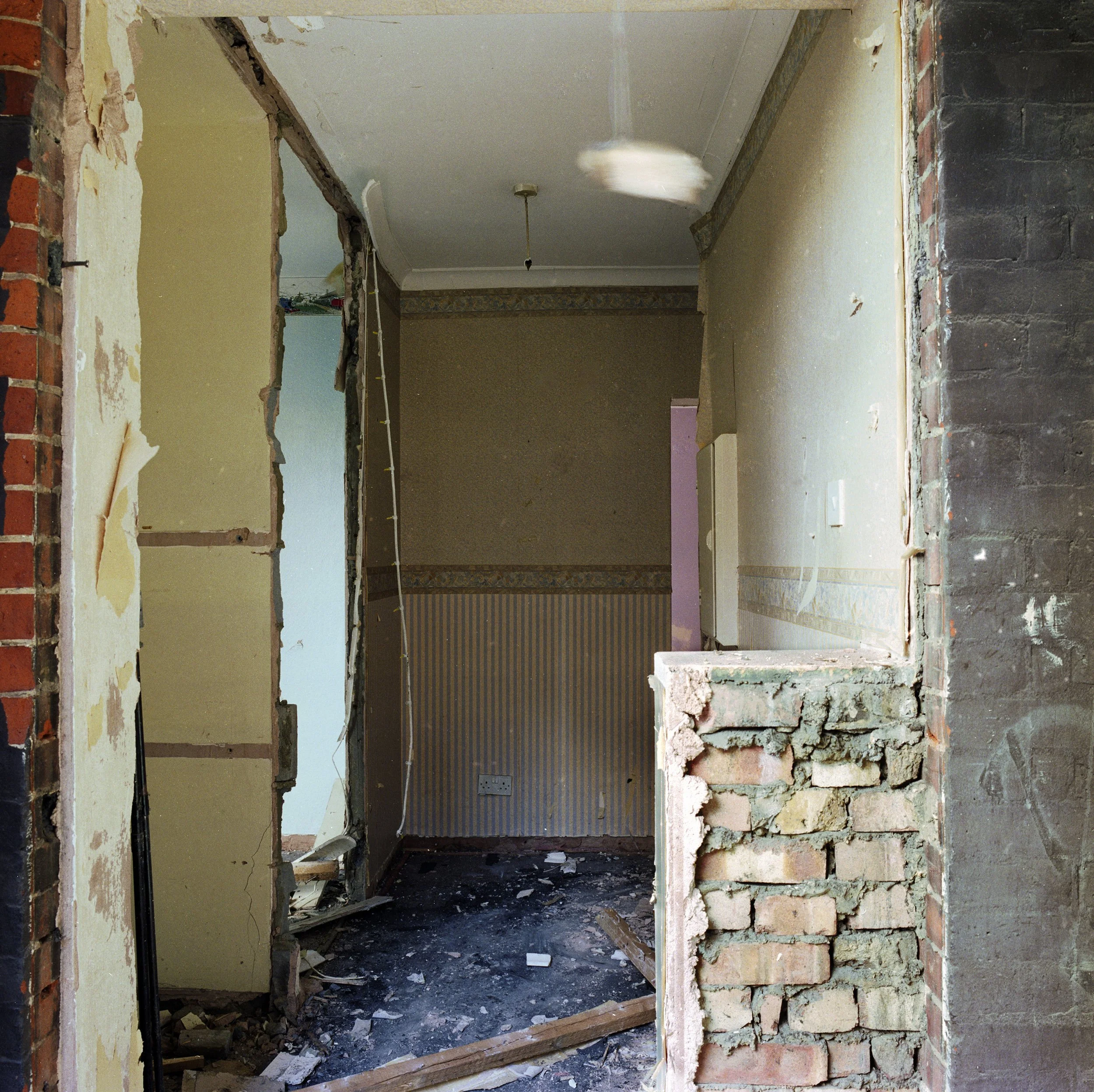
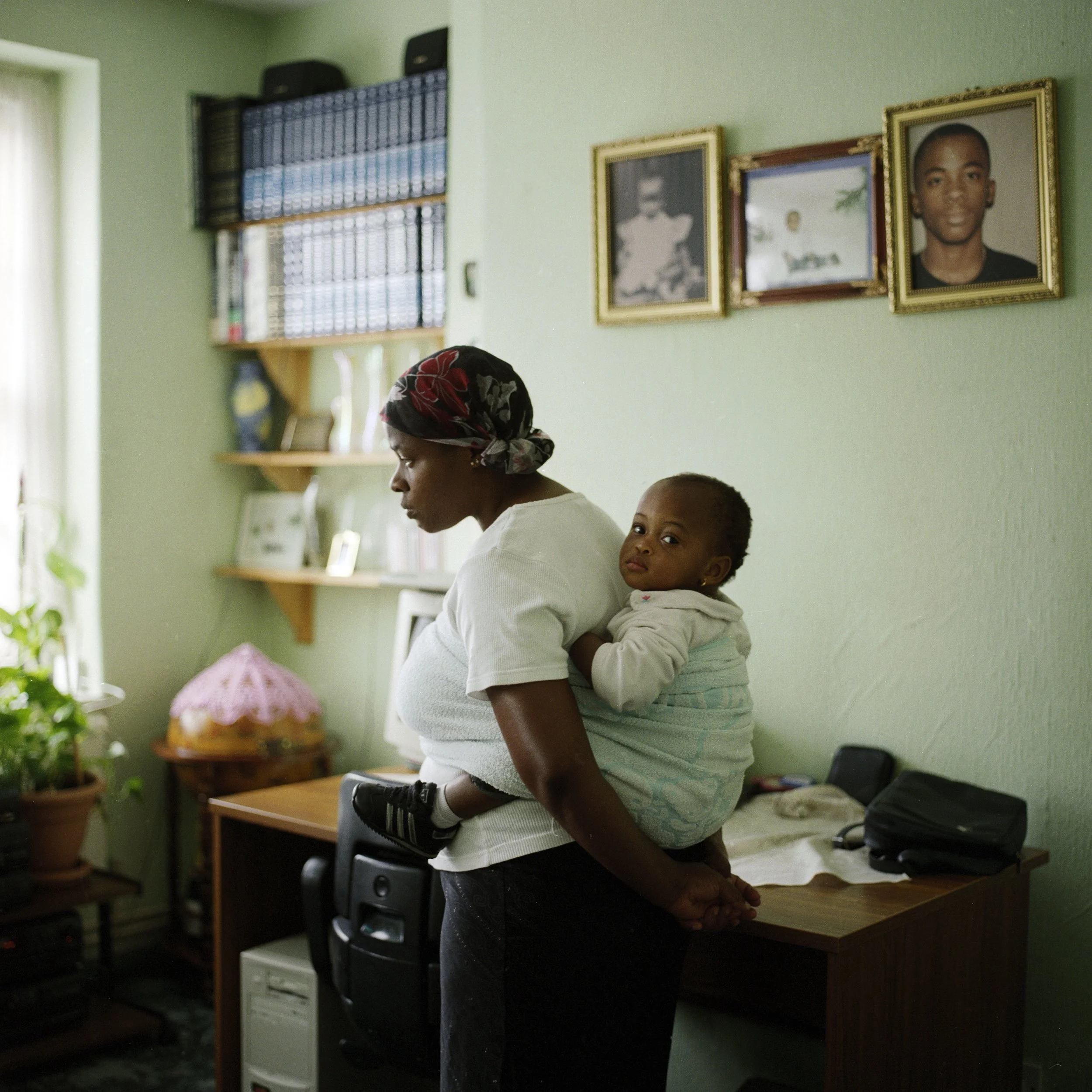
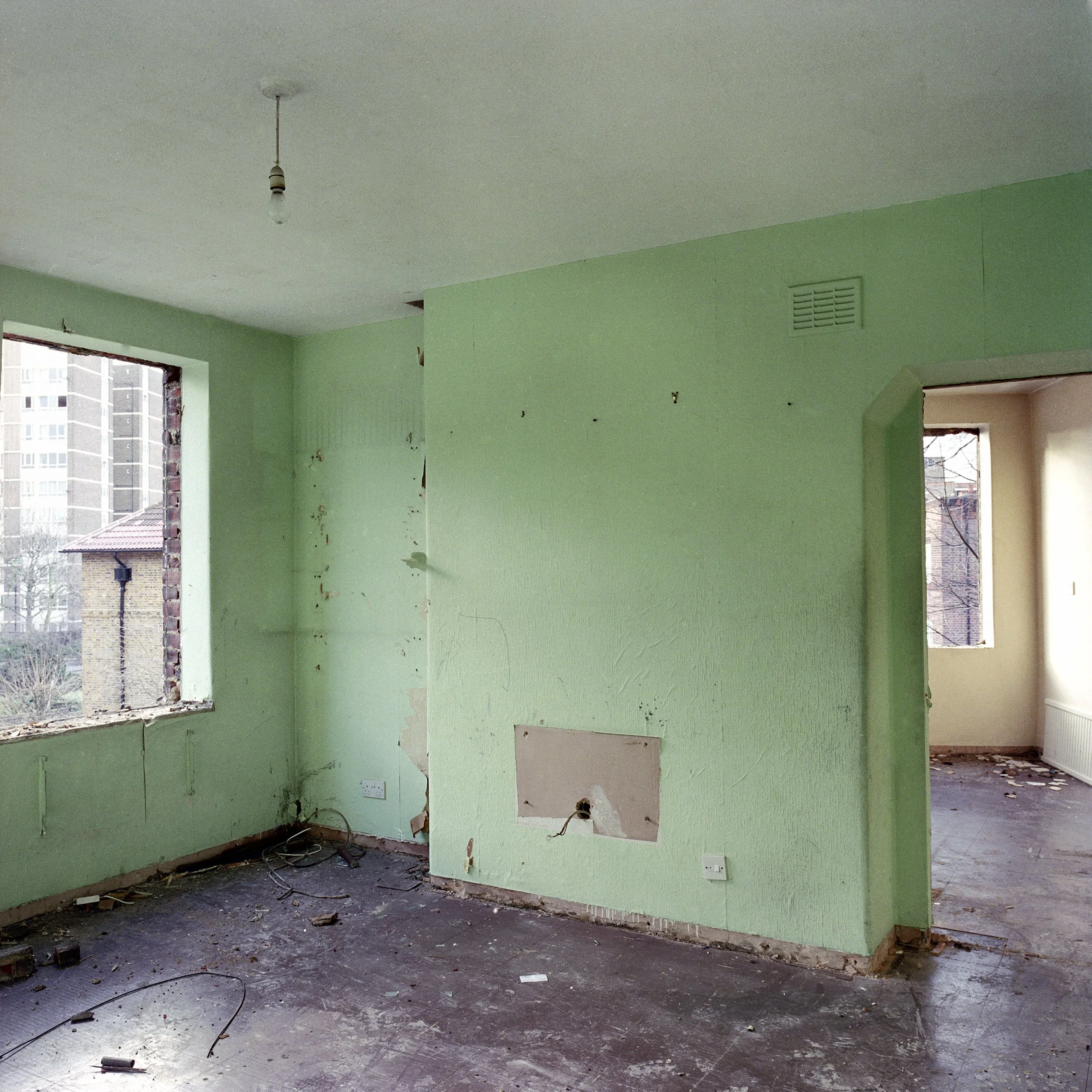
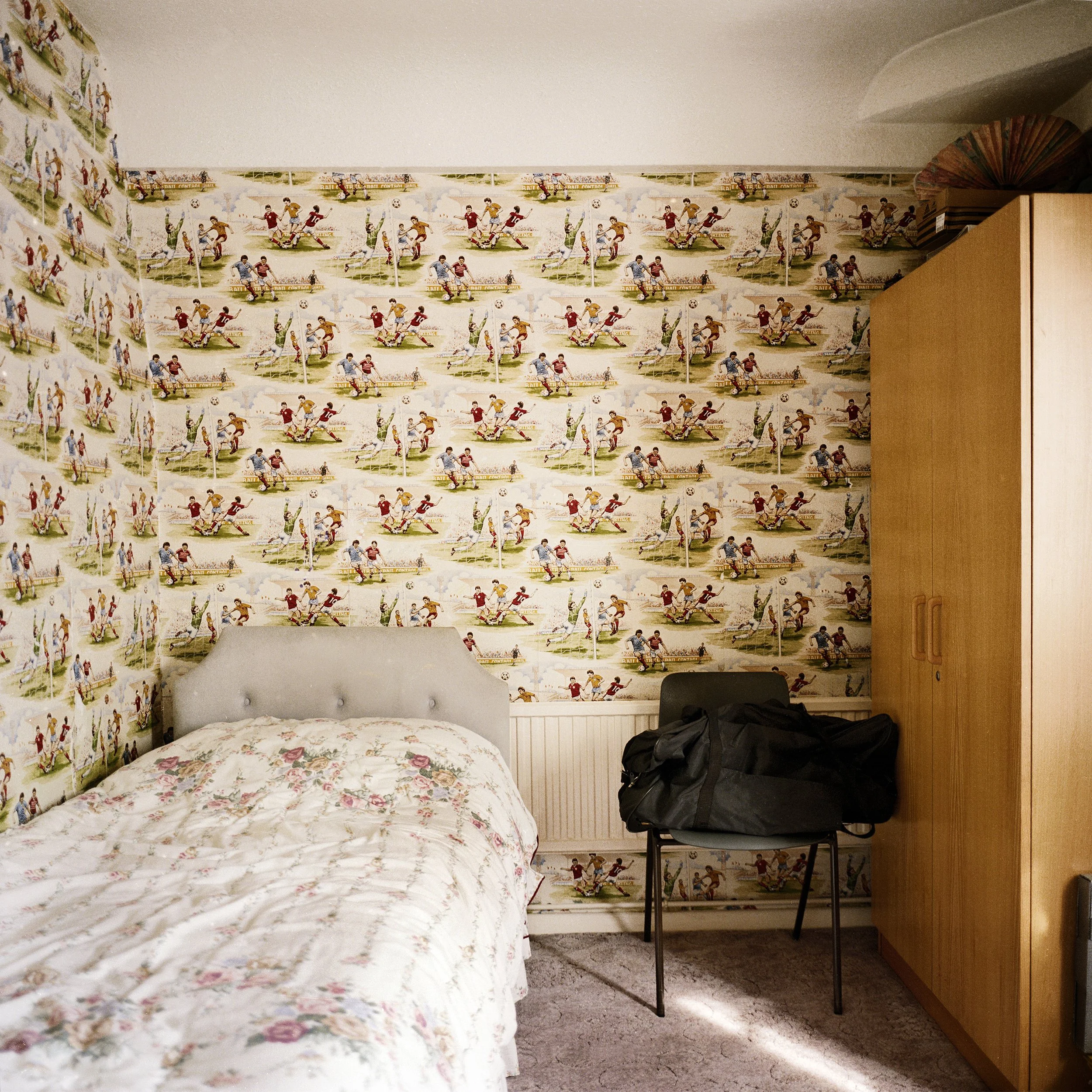
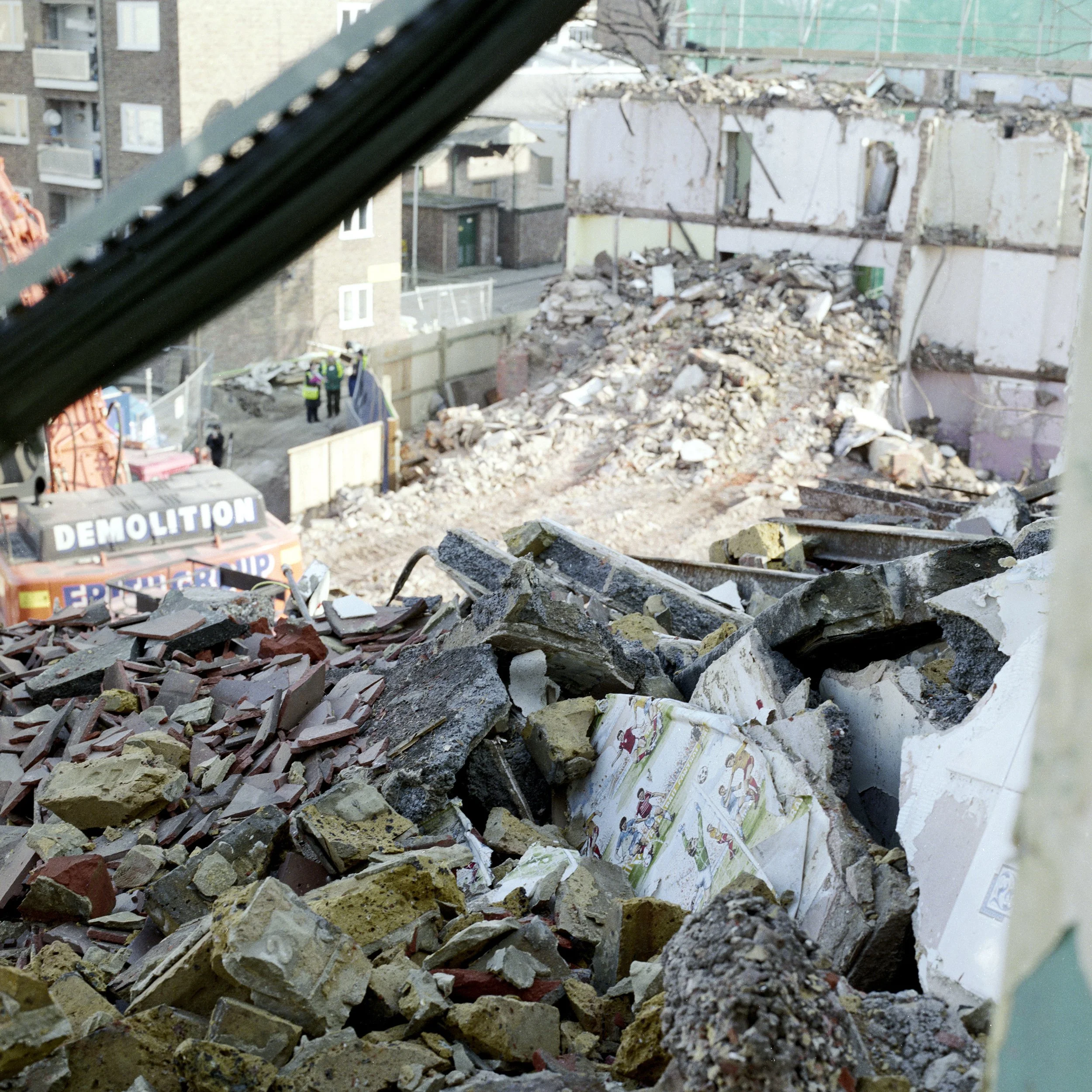
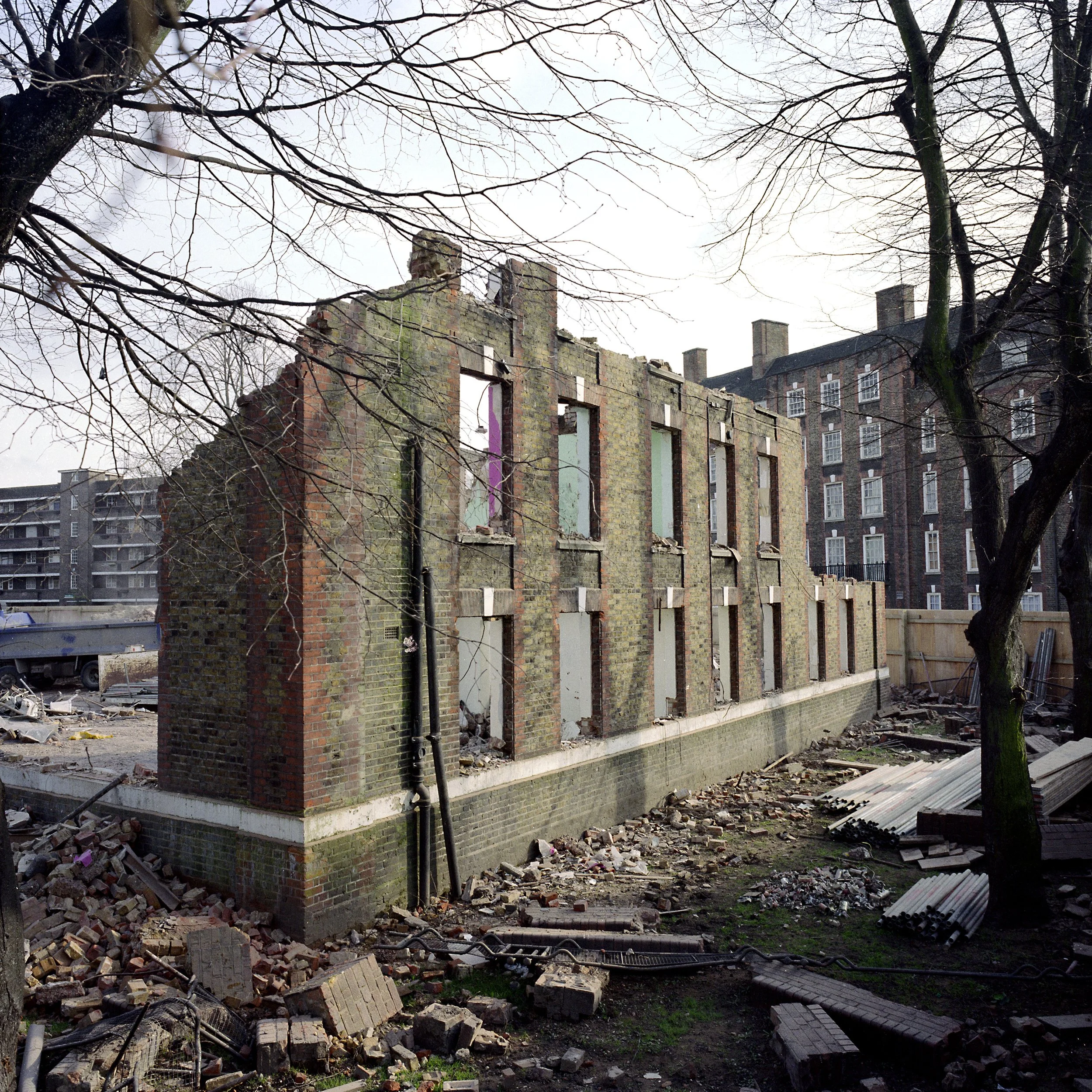
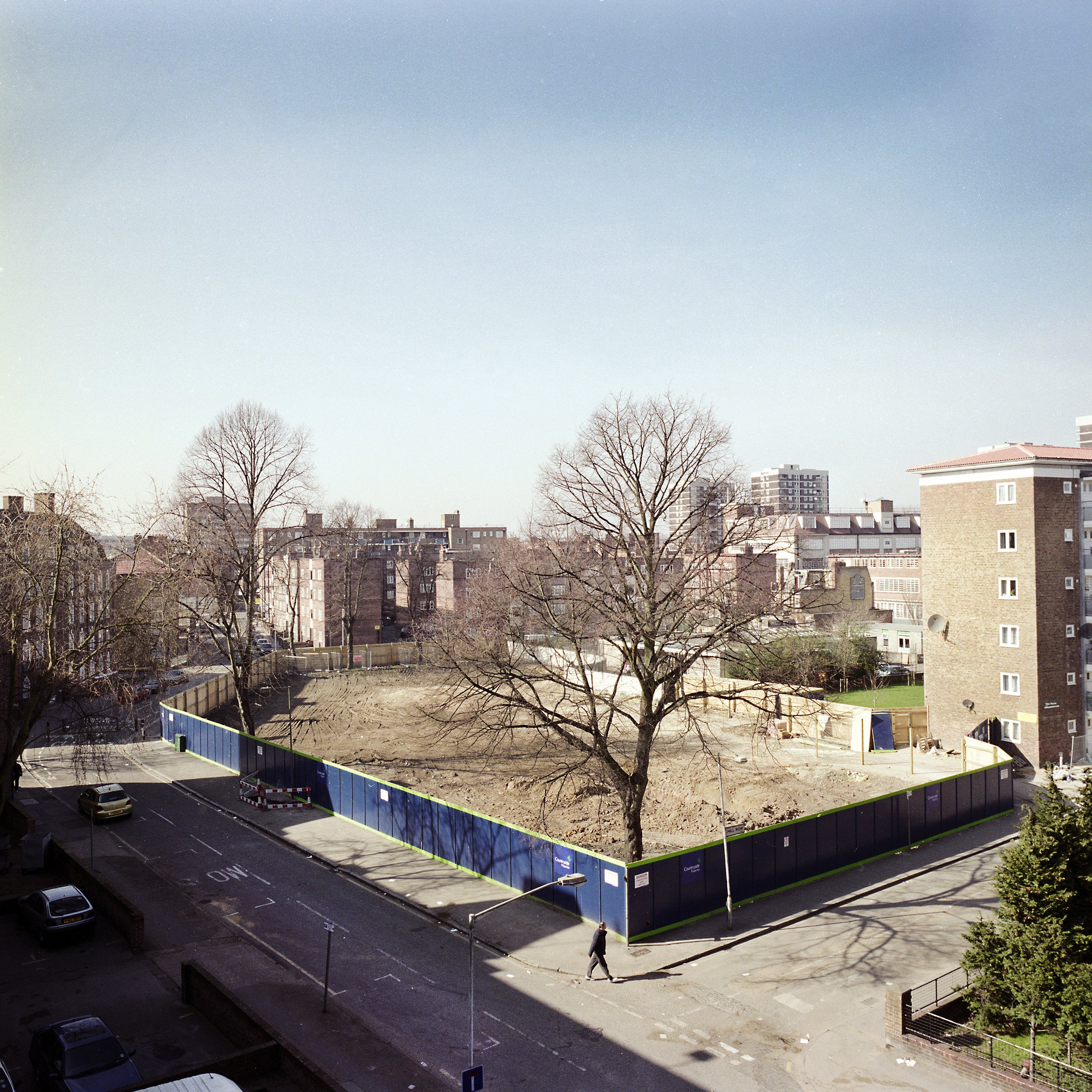
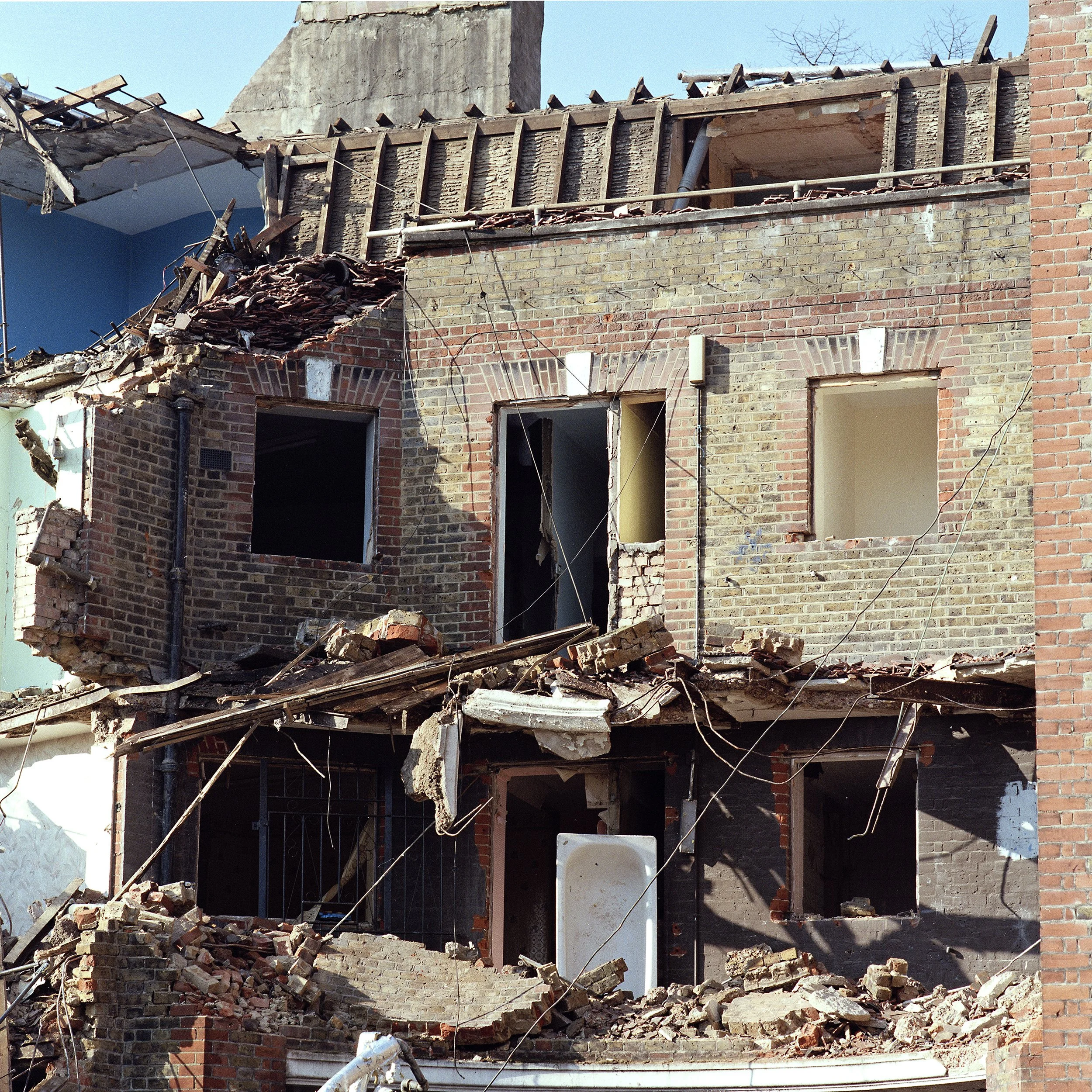
I had been driving past the chair three or four times a week before the idea spawned in my head. There was nothing special about it. It looked like cheap pine, the kind you find in the kitchen of rented flats all over England. I couldn't see if there was a pvc cushion built into it but I imagined there was. I couldn't see any more than that because it was on the first floor of a half demolished building in Clerkenwell in London.
I was a jobbing photographer in my late twenties, and the building was on my way to the lab, Ceta, in EC1 where I had all my film processed.
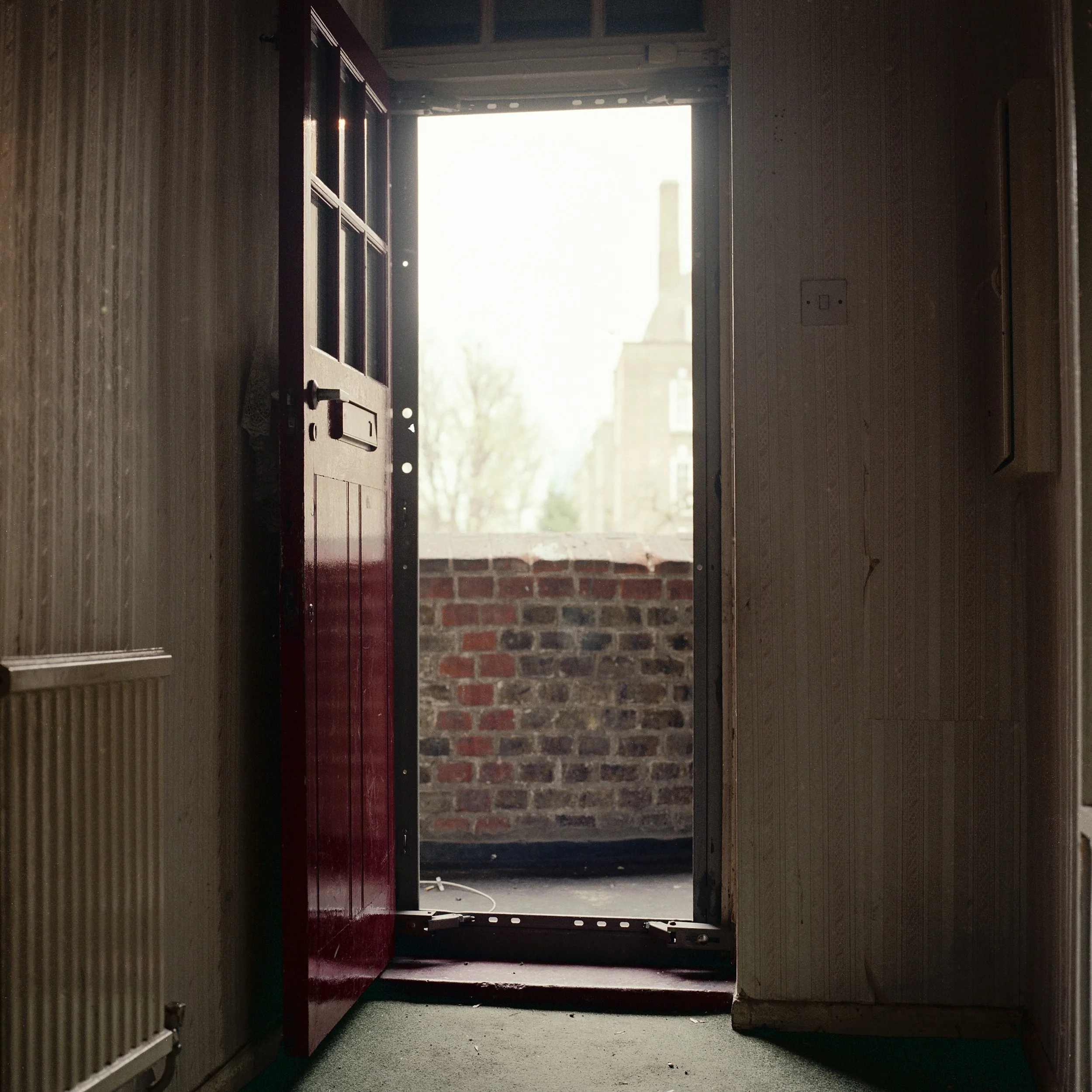
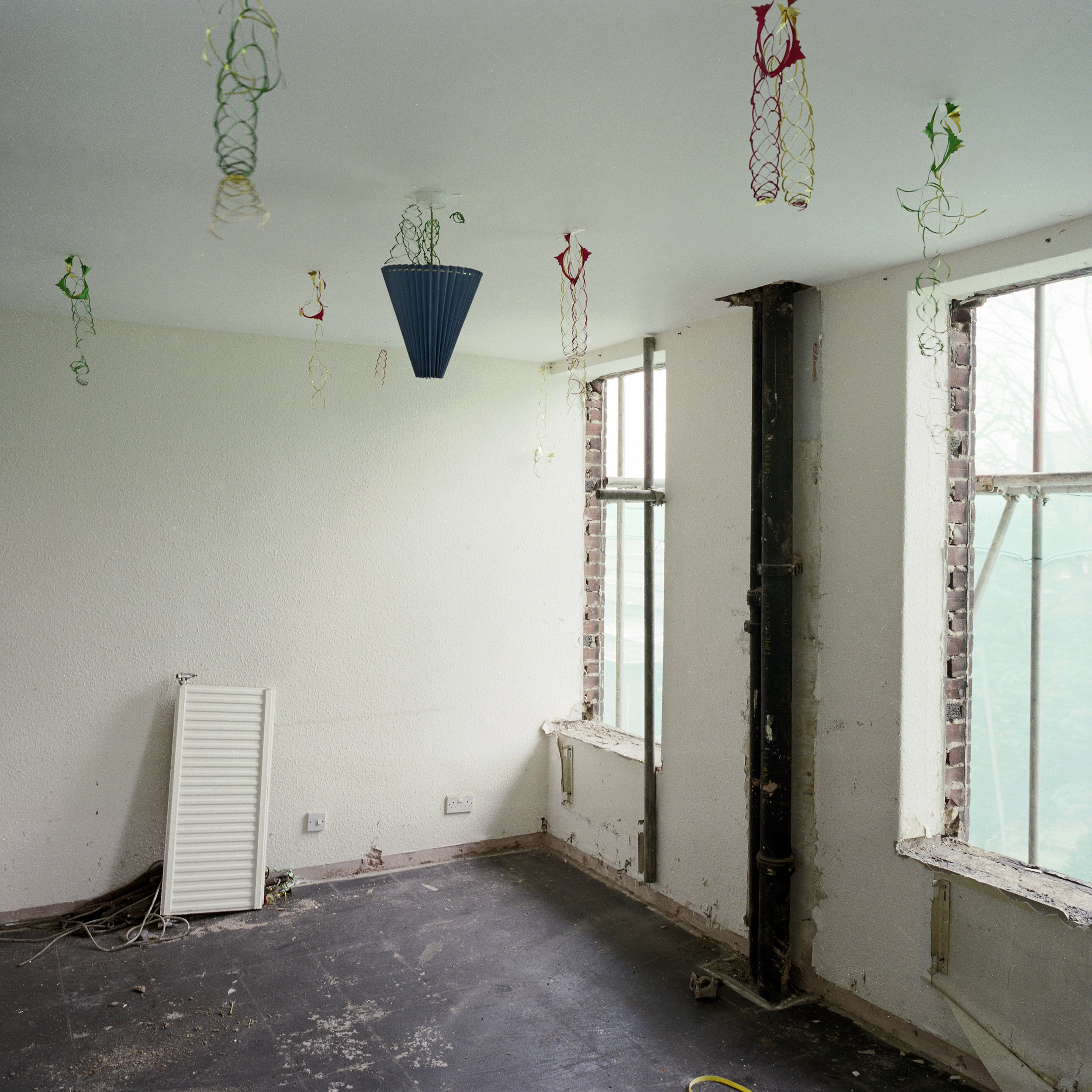
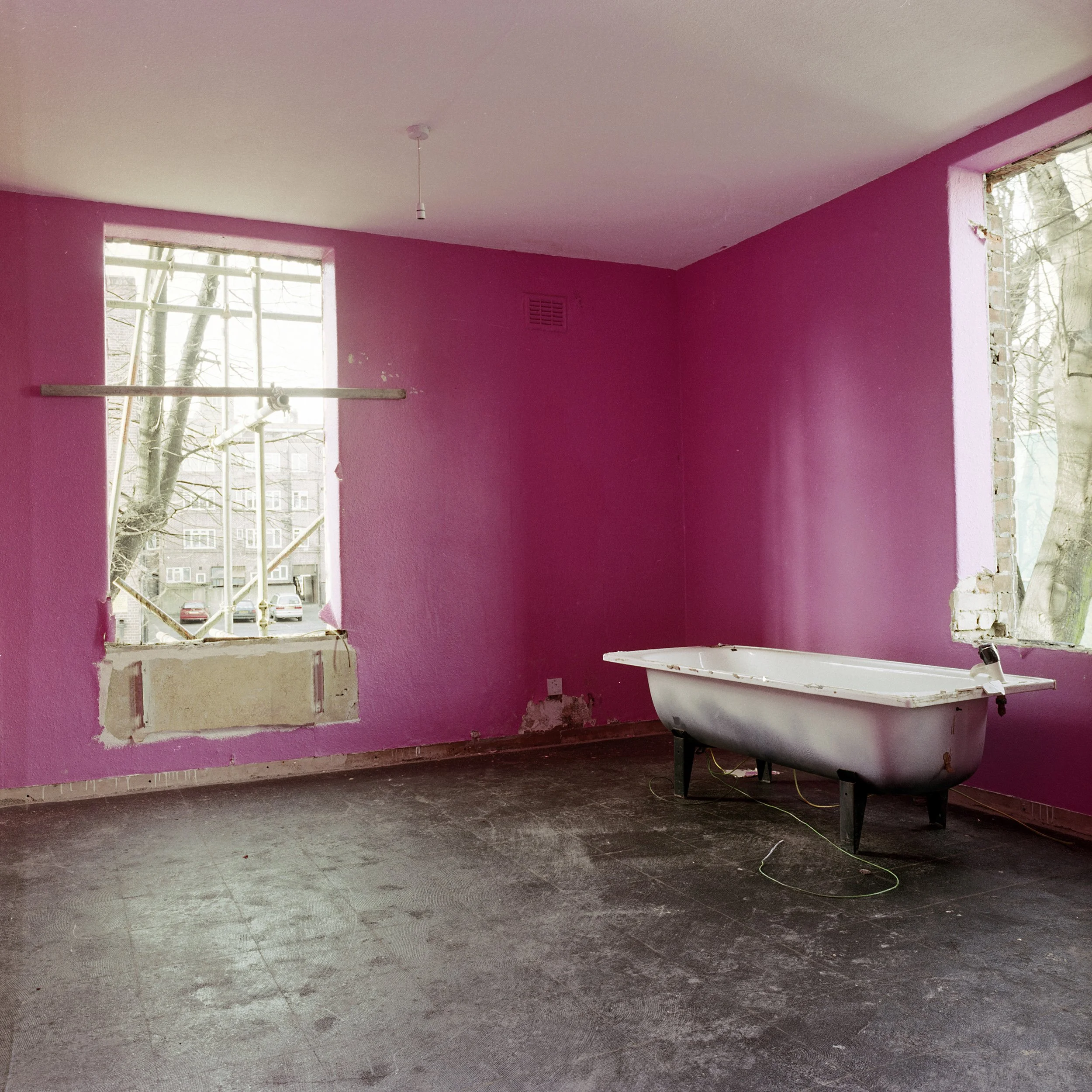
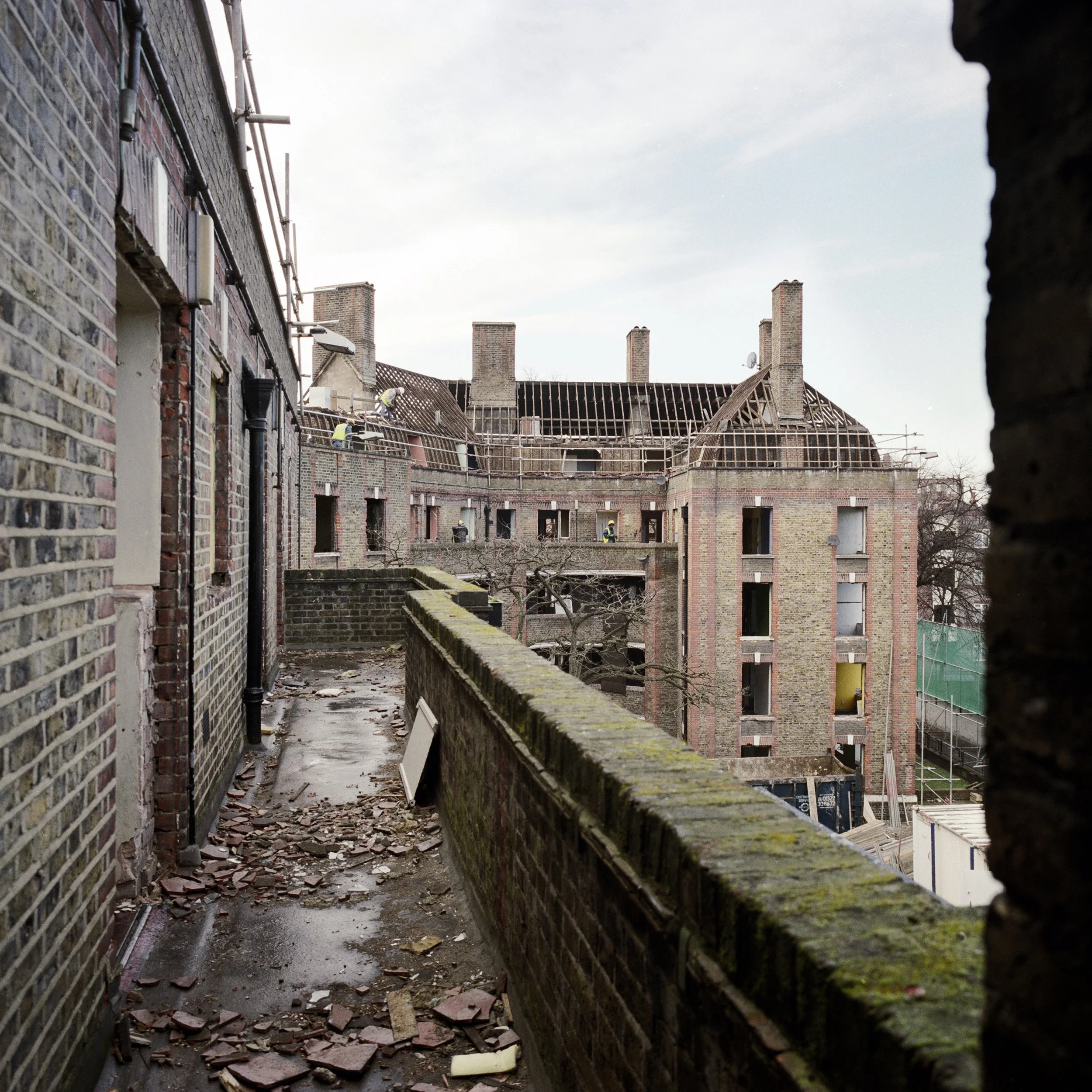
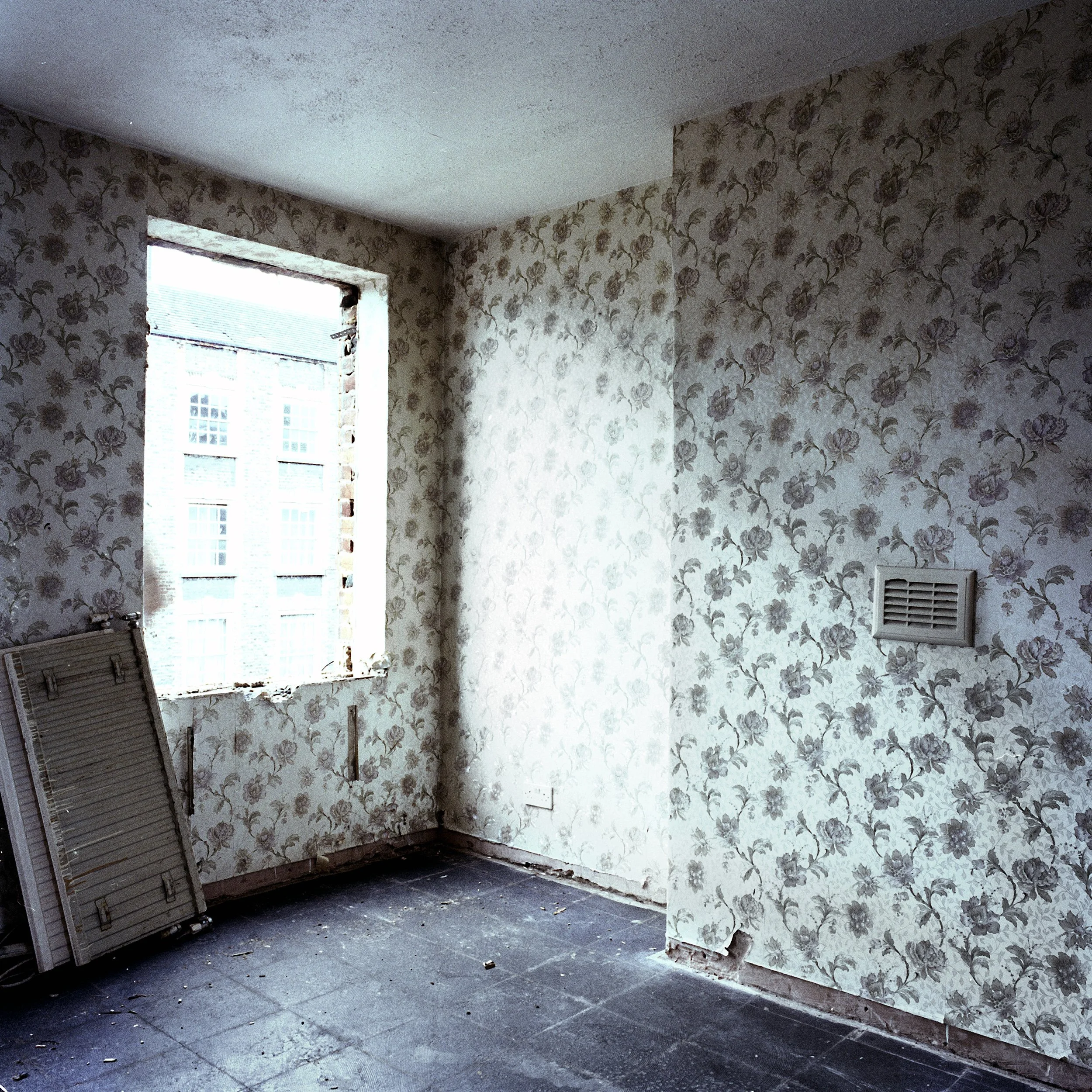
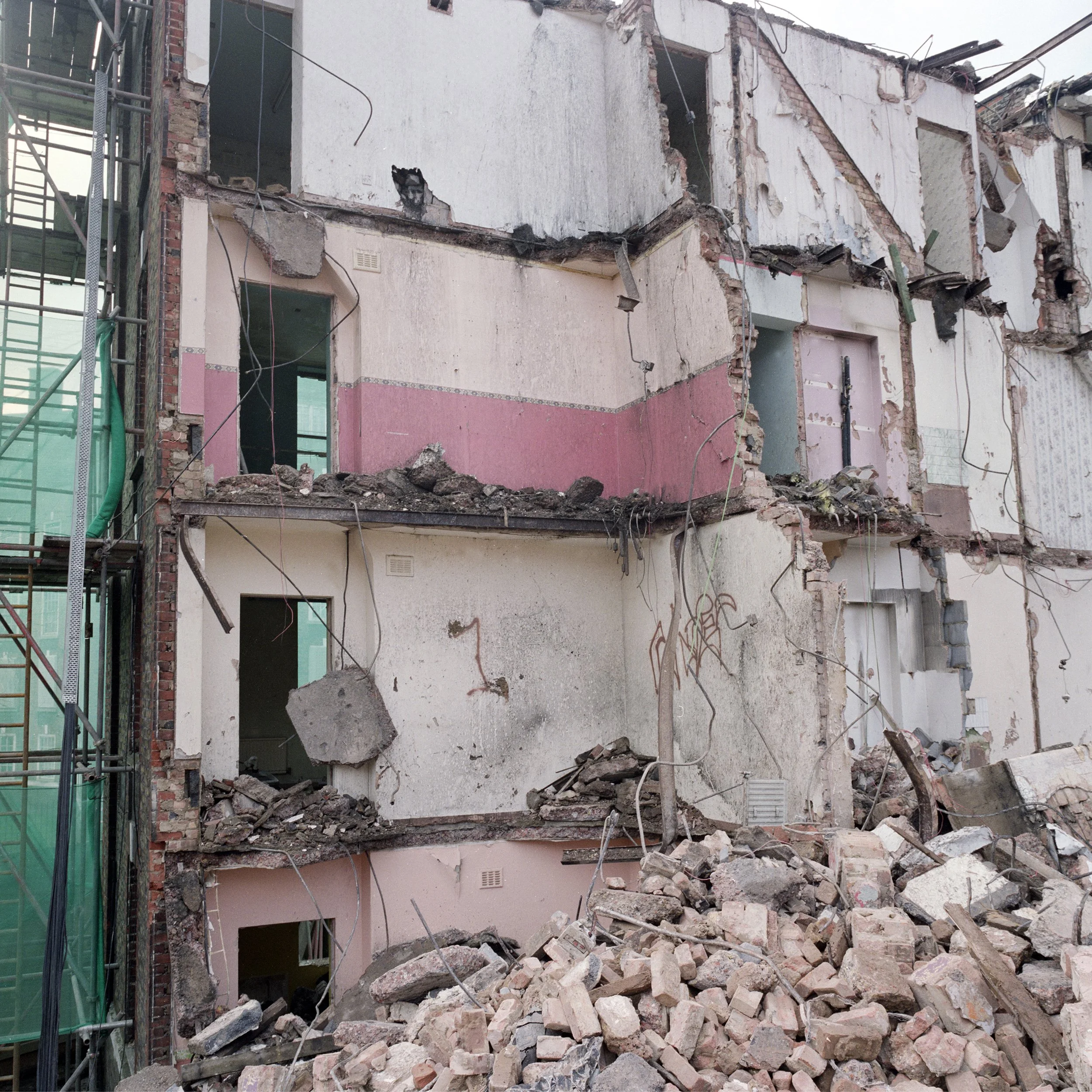
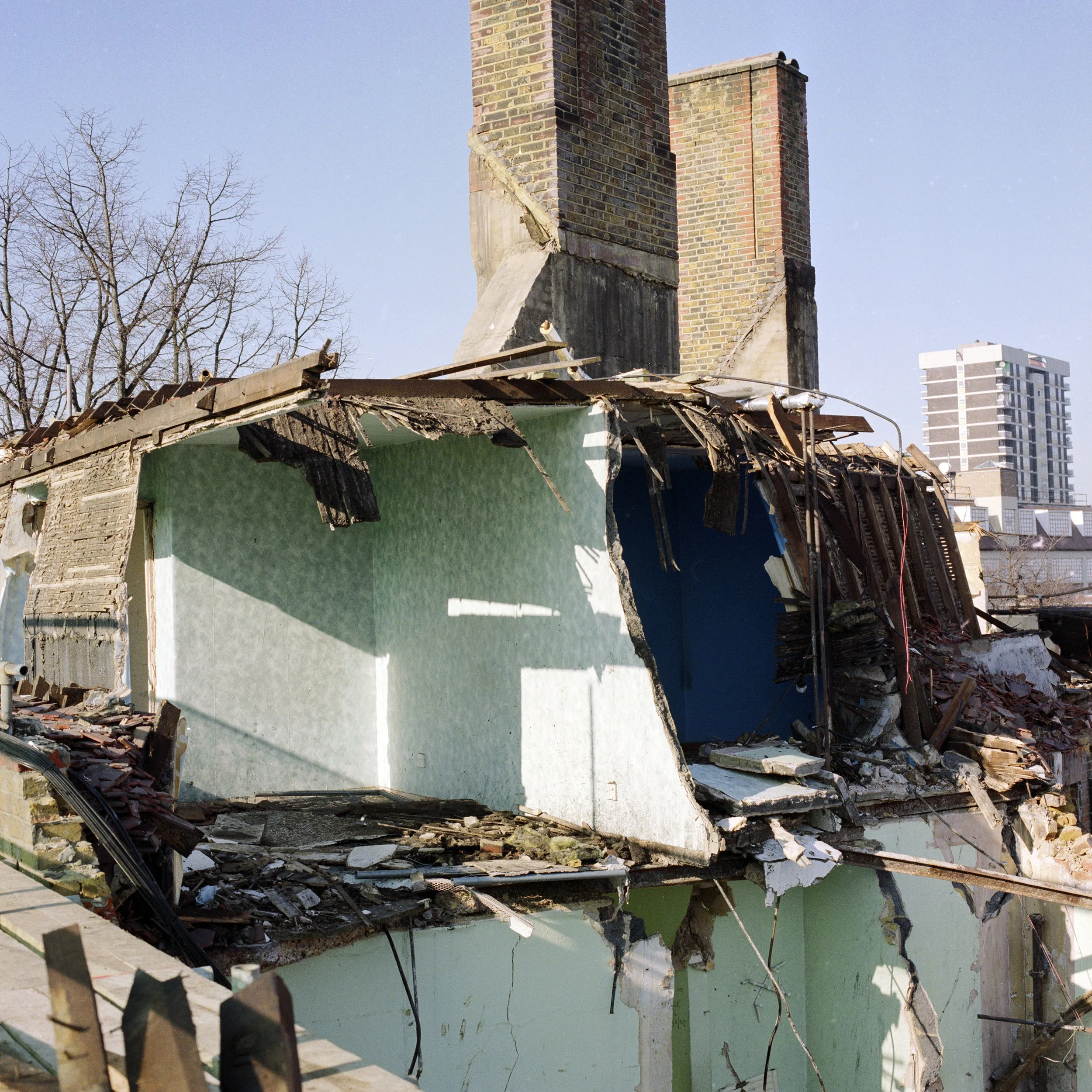
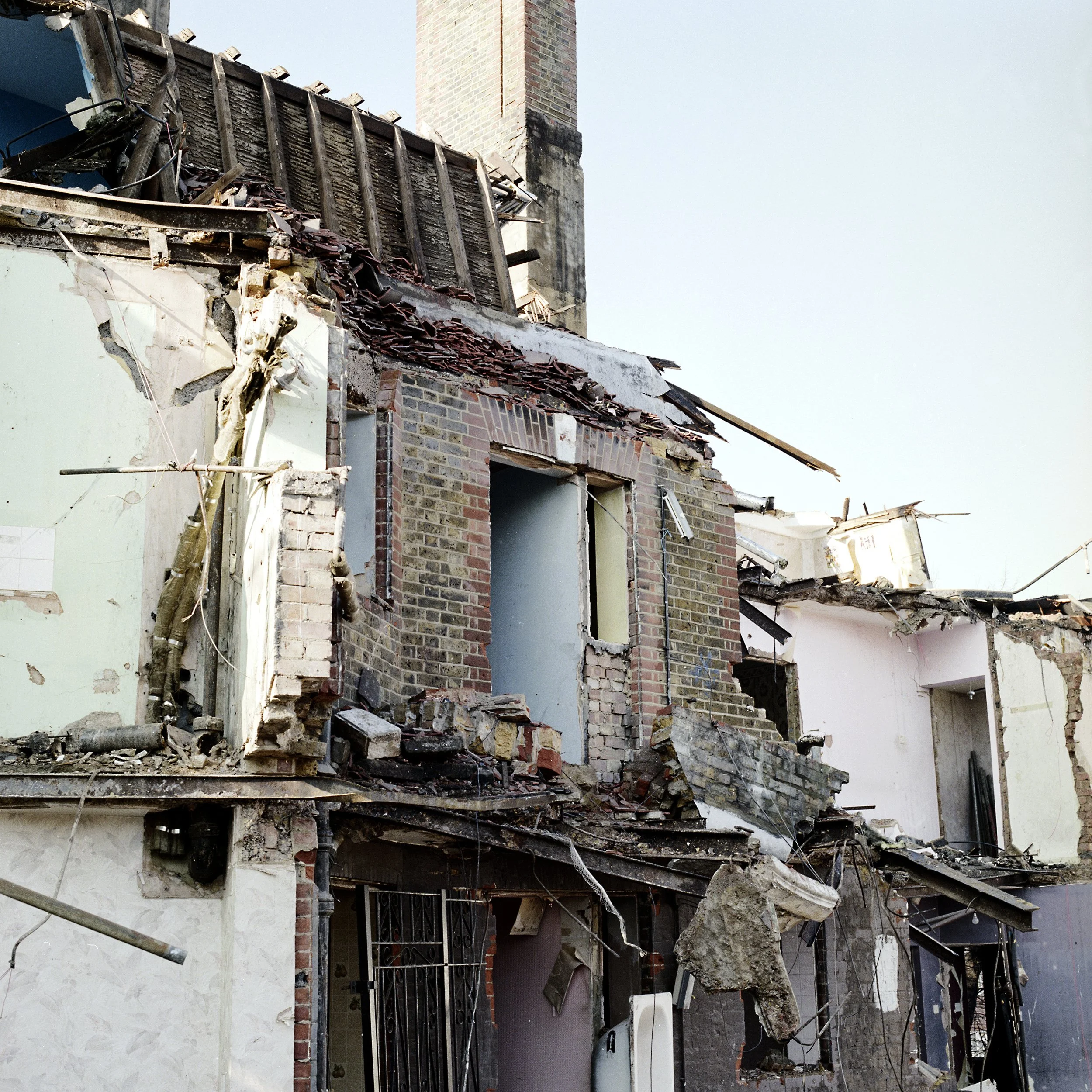
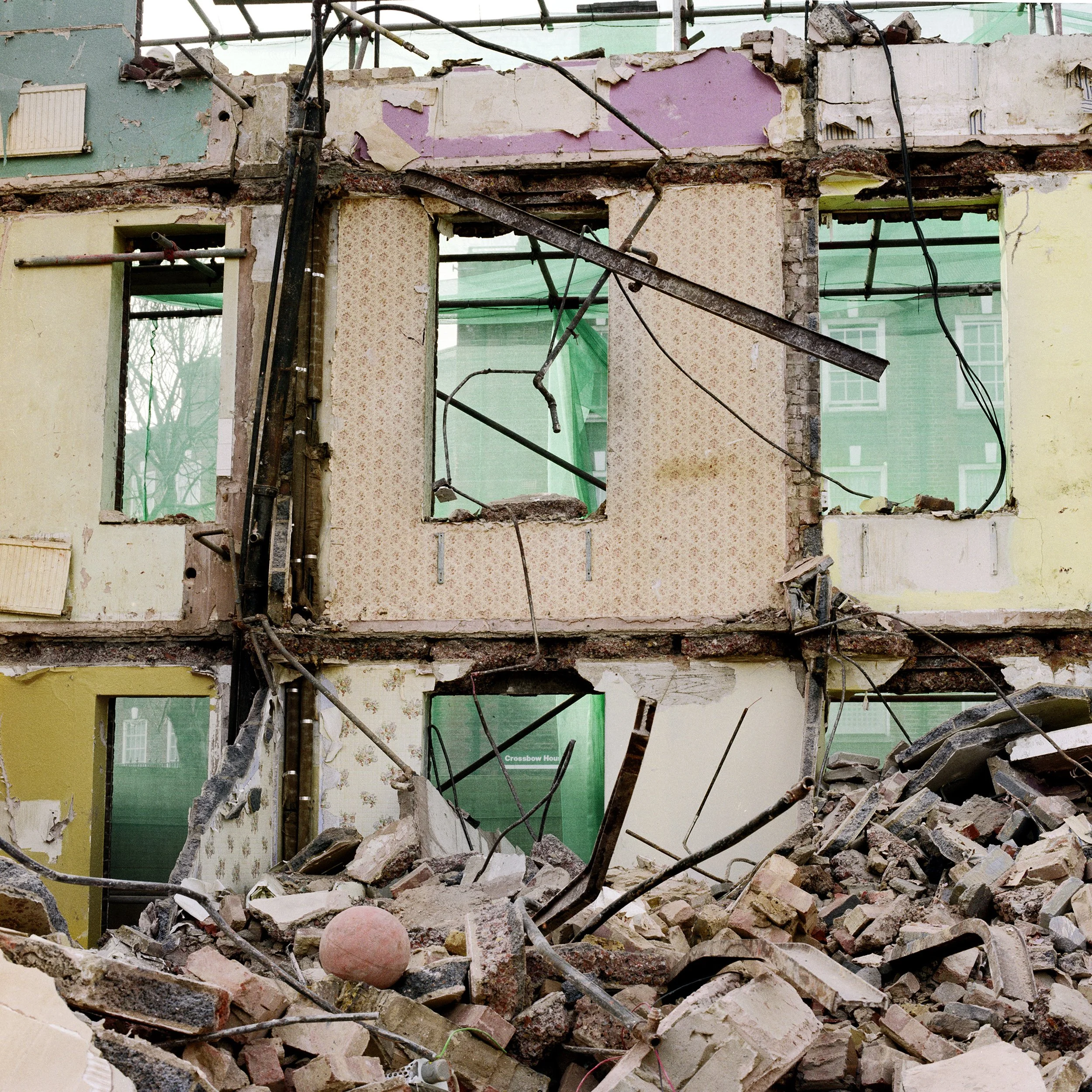
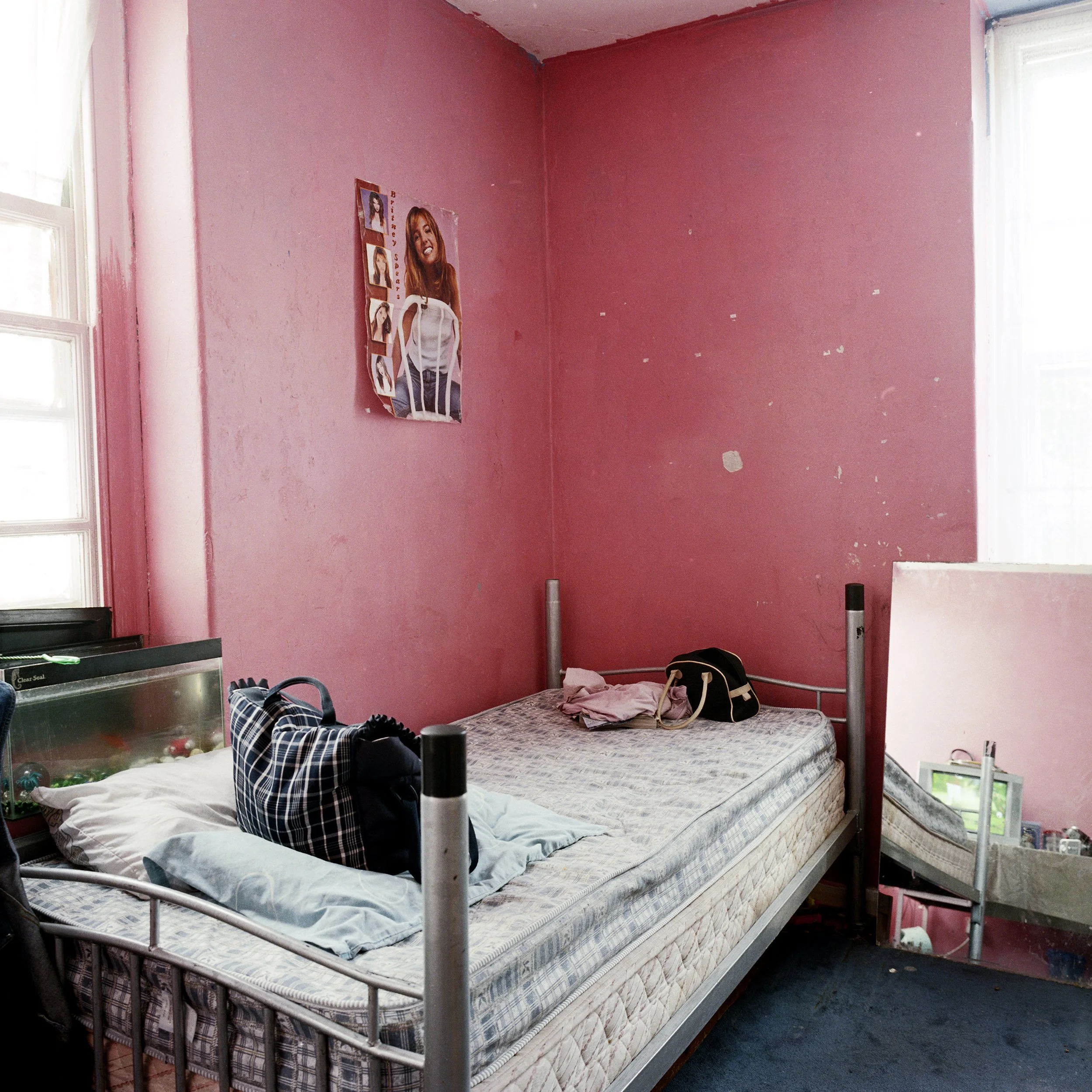
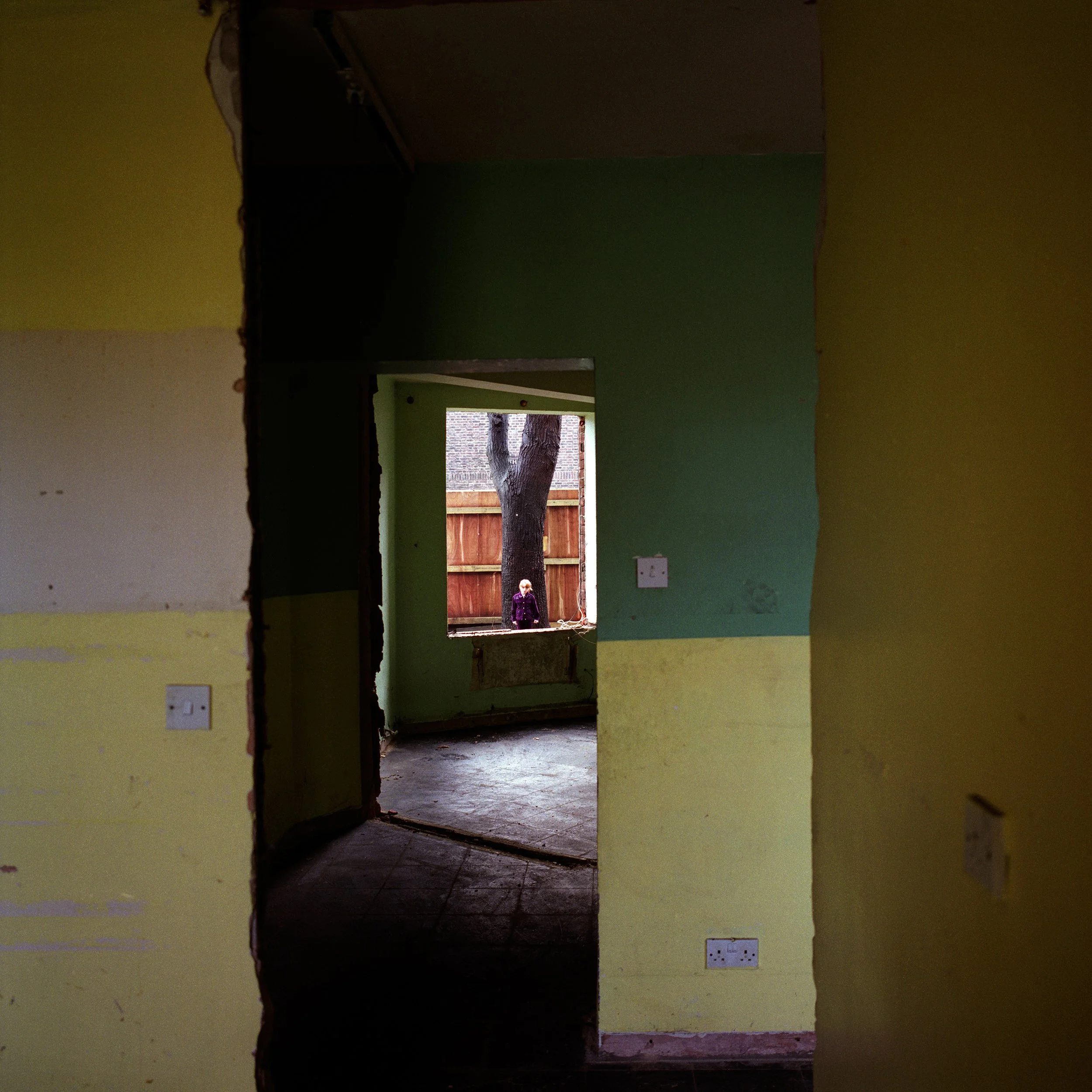
For whatever reason the demolition, half way through the job, had been called to a halt one day leaving the interiors of all the rooms in the building exposed, you could just look right in. You could see the wallpaper and fireplaces in what had once been people's homes.
And the chair. It was the only piece of furniture left behind in the whole block.
I'd started to think about the last person to touch it. Was it a mum who got up from the kitchen table for the last time, looked around the room and left? Was it there because there wasn't enough room in the removal van for it? Or was the last person to sit in it a demolition man just taking a break? The chair hadn't moved in over a year so I had plenty of time to think about it.
I'd never know the answers to my questions about that particular chair, it's long gone now.
There was a lot of documentary photography at the time, this was 1999, most notably from Detroit, the US city that had become largely derelict after the collapse of the American car industry. MotorTown was no longer Motown, the party was long over. The photographs were very moving, empty theatres, railway stations and diners, places that had been bustling now with just scattered remnants of the life that filled them. But they only answered half my questions. I didn't want to just see the empty ticket booth in the cinema with tickets strewn across the floor, I wanted to see the man or the woman who'd worked there issuing tickets to all sorts there to see the latest movies.
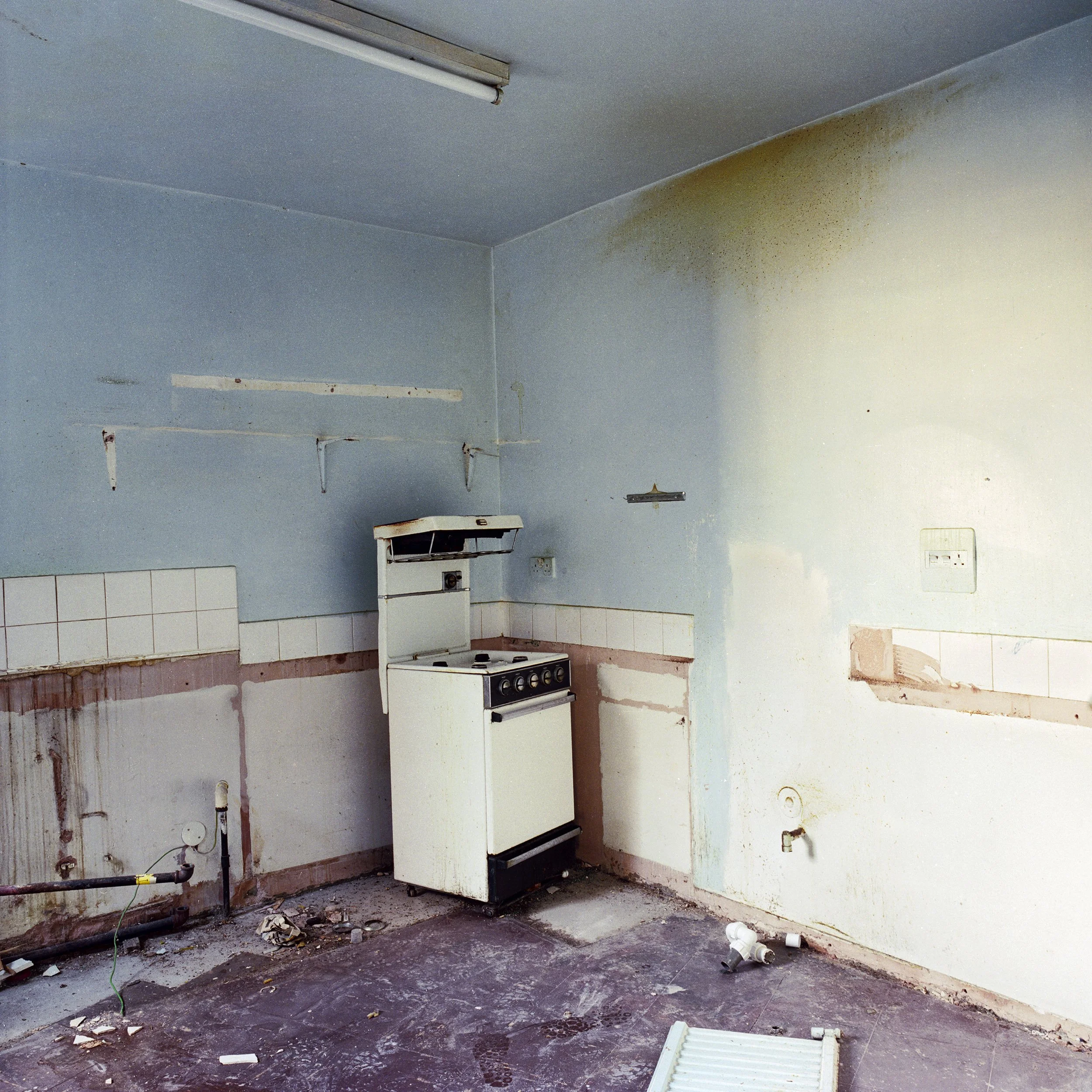
The only way to do it was to do the whole thing in reverse. By the time you see the kitchen chair, frozen in time, it's too late. The mum, the kids, the boyfriend, the demolition man, they're all gone.
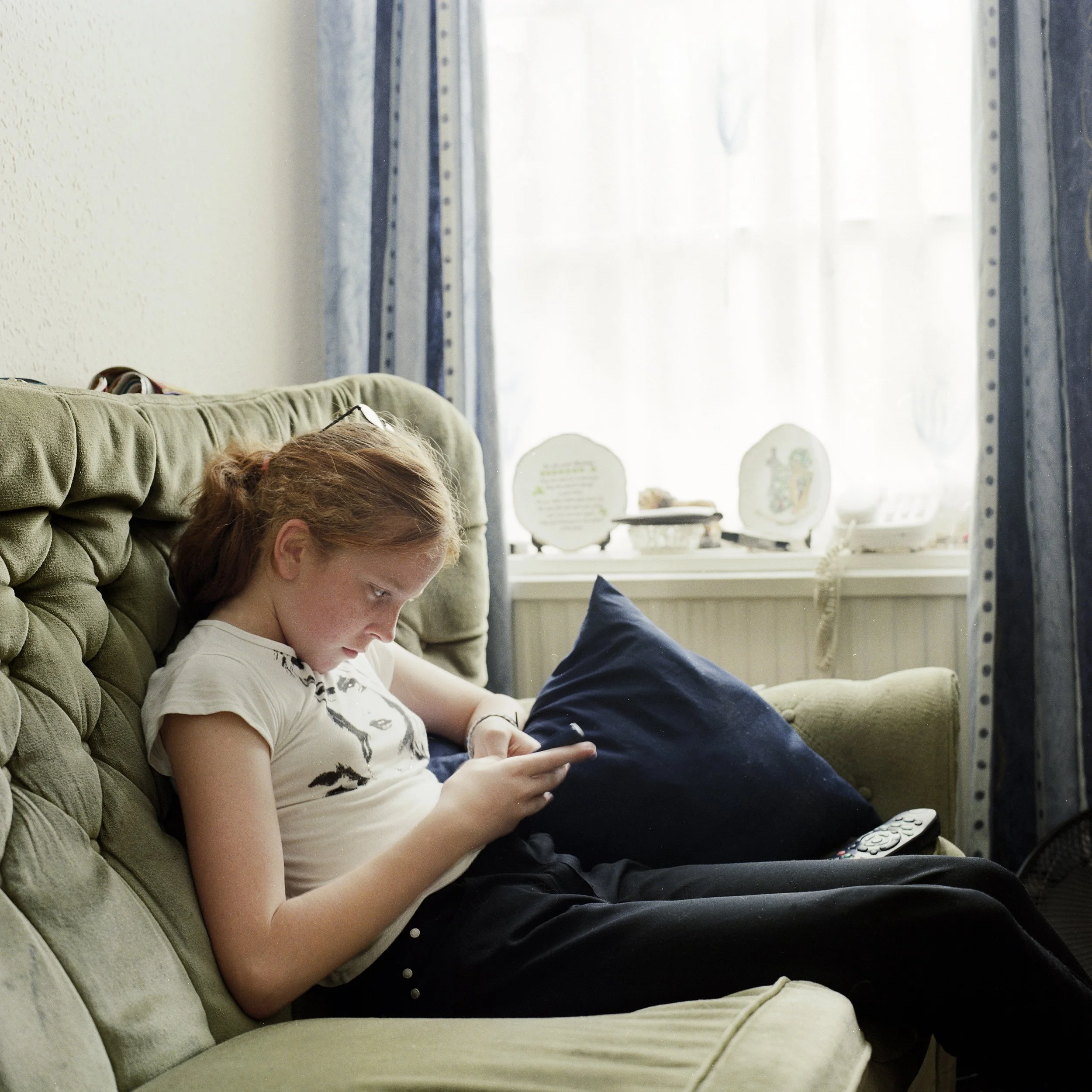
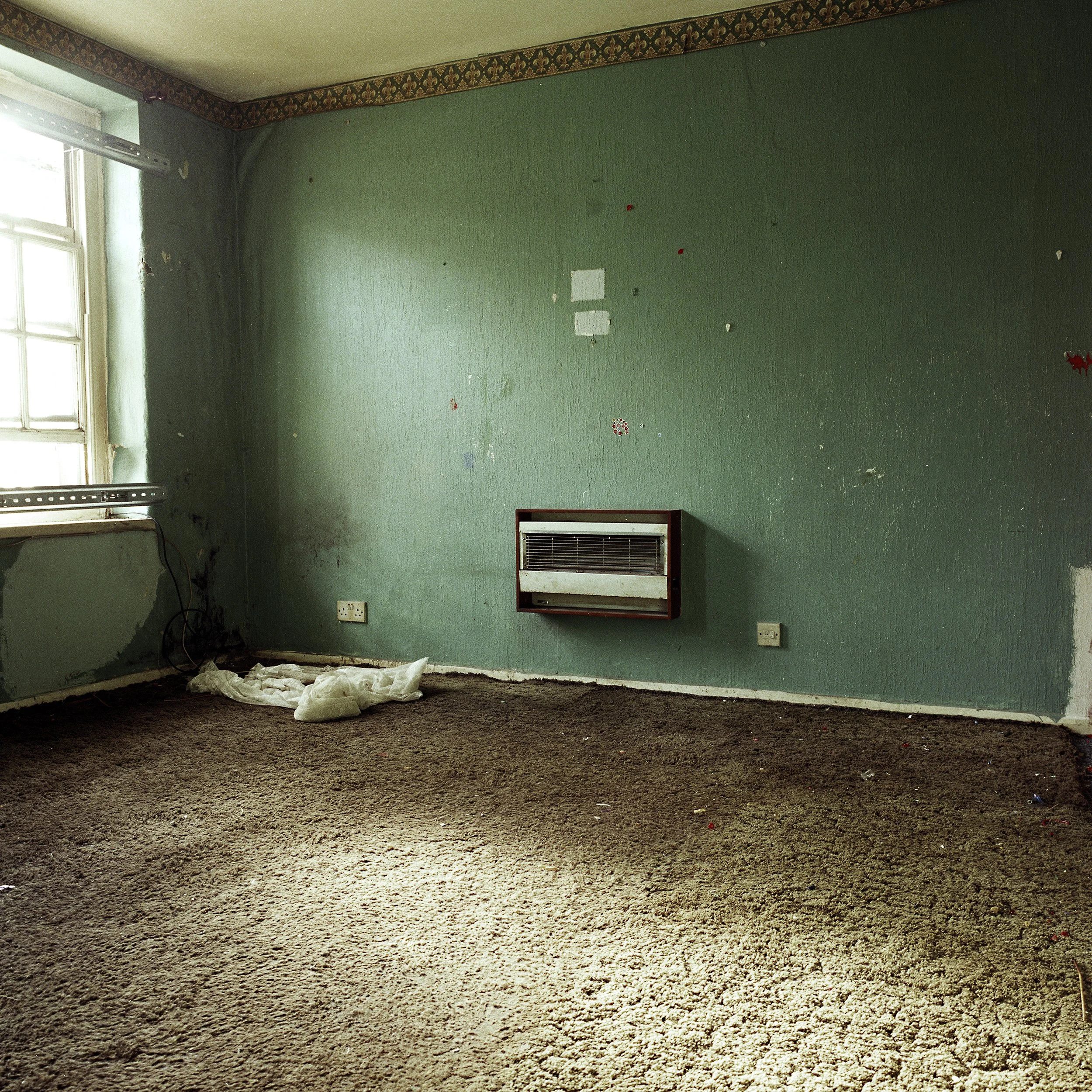
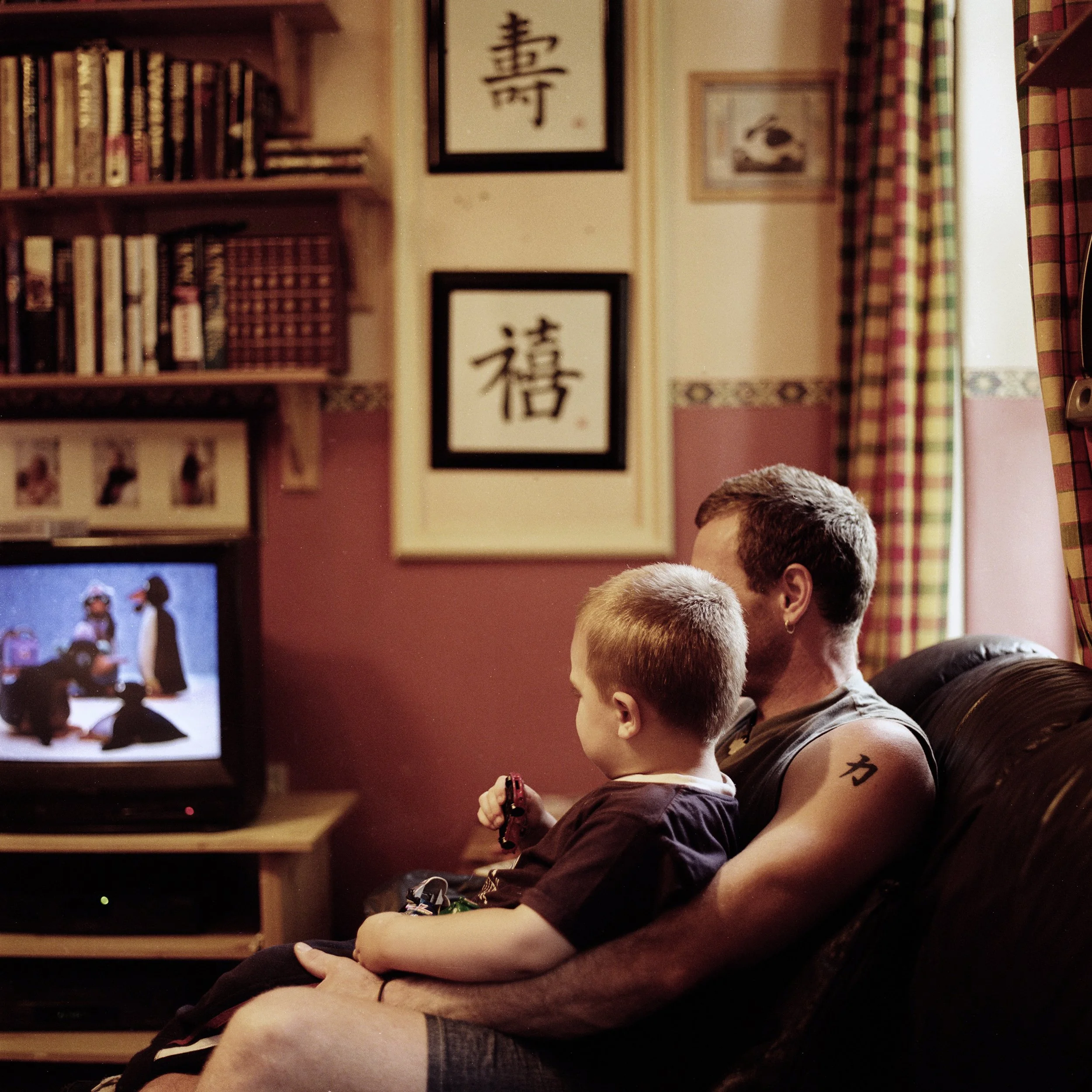
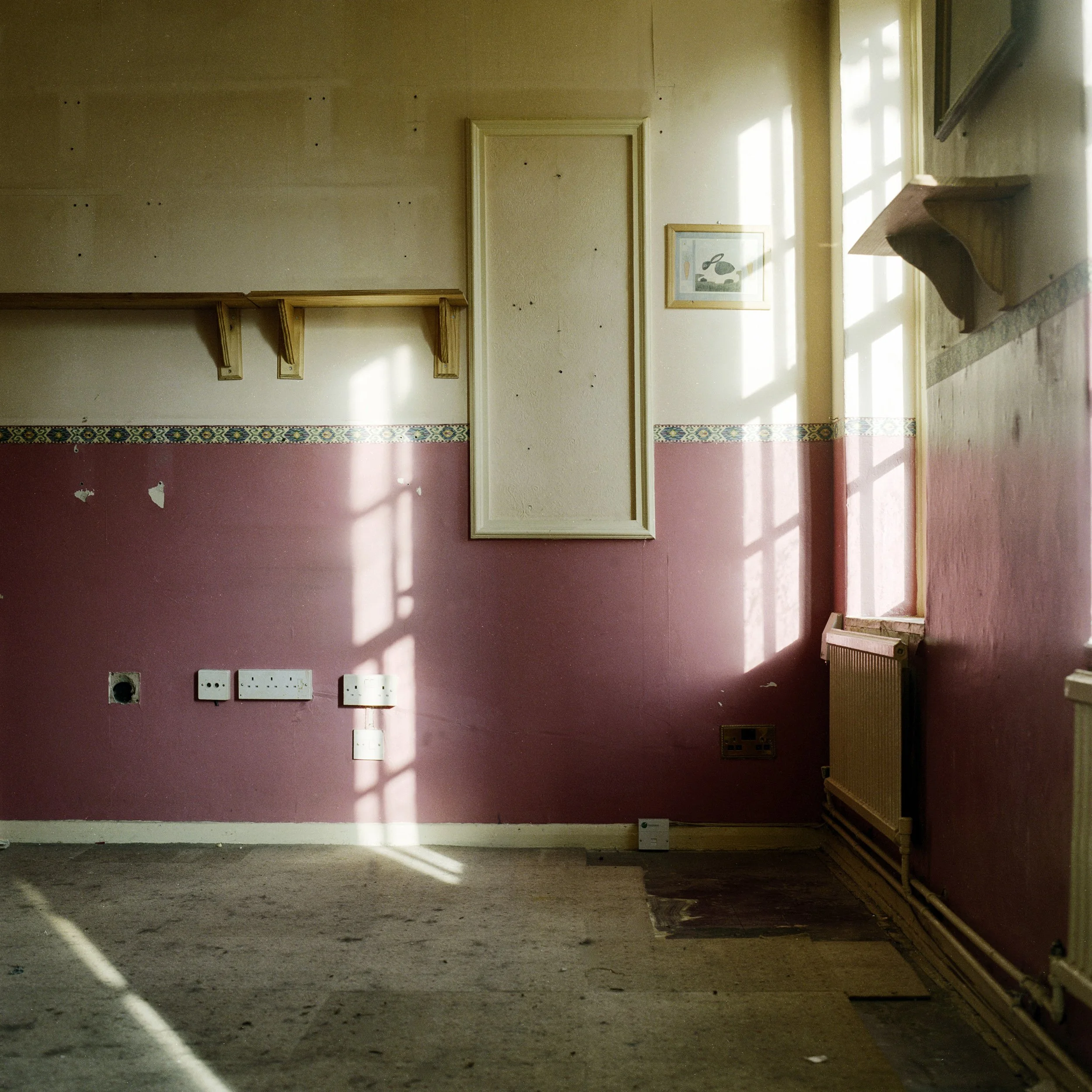
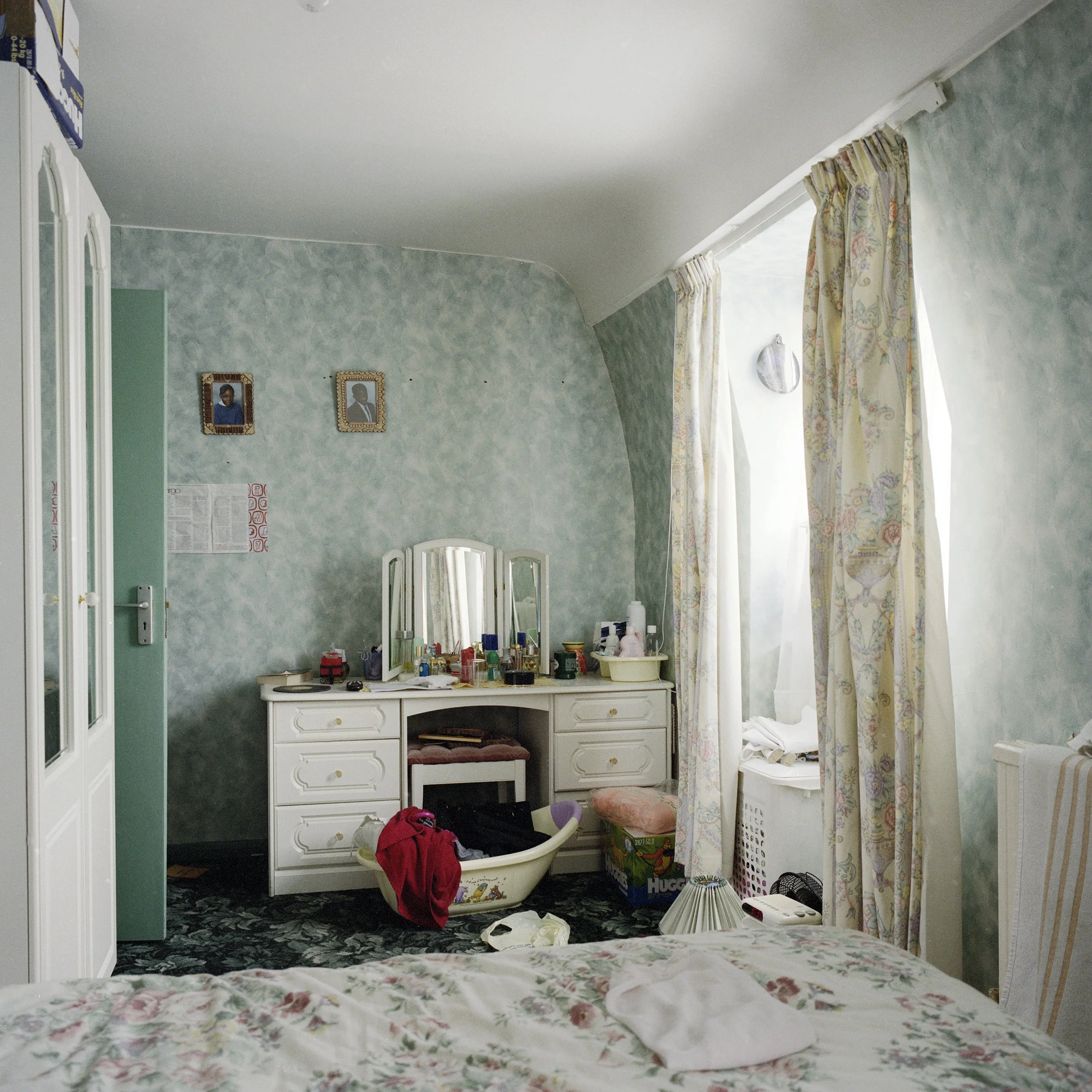
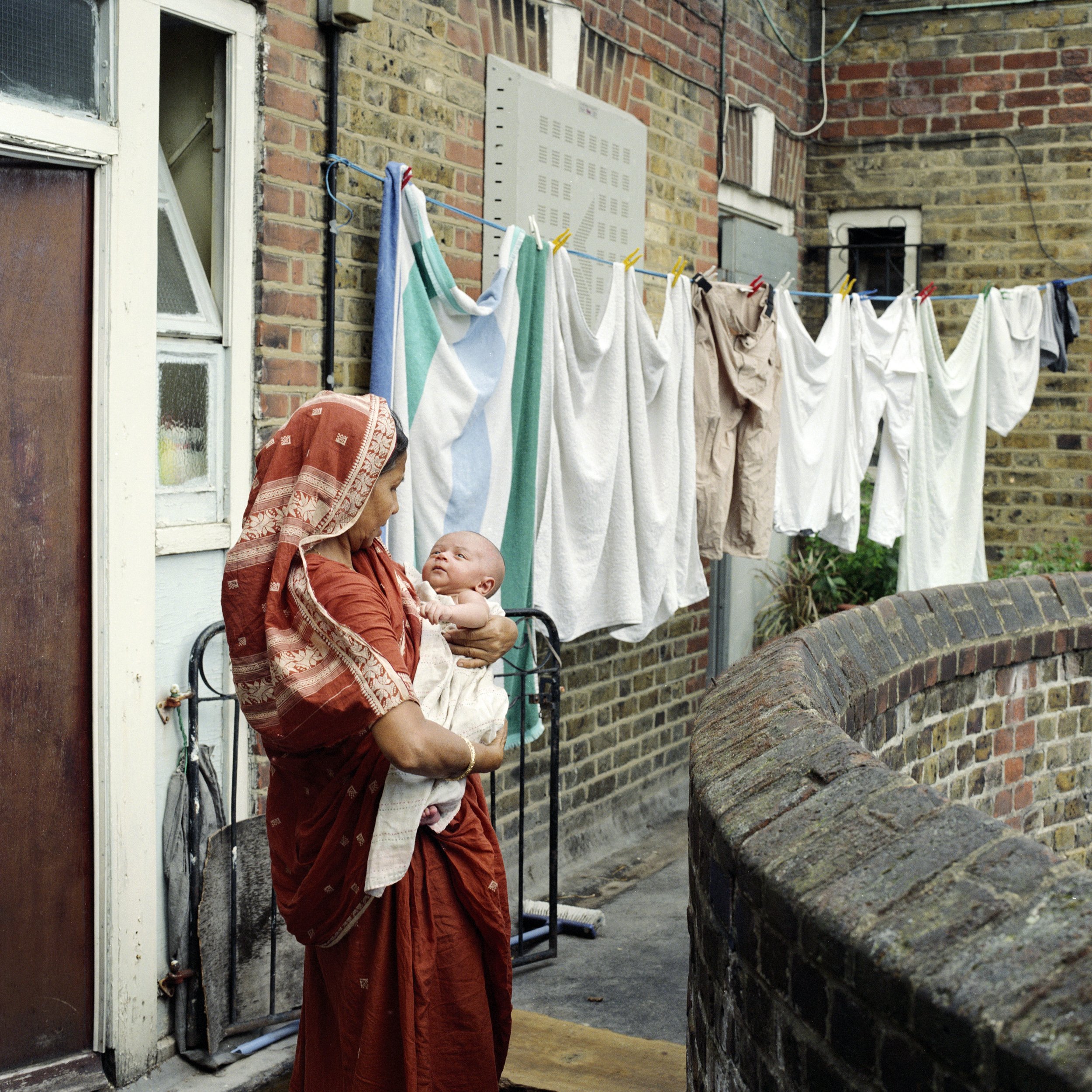
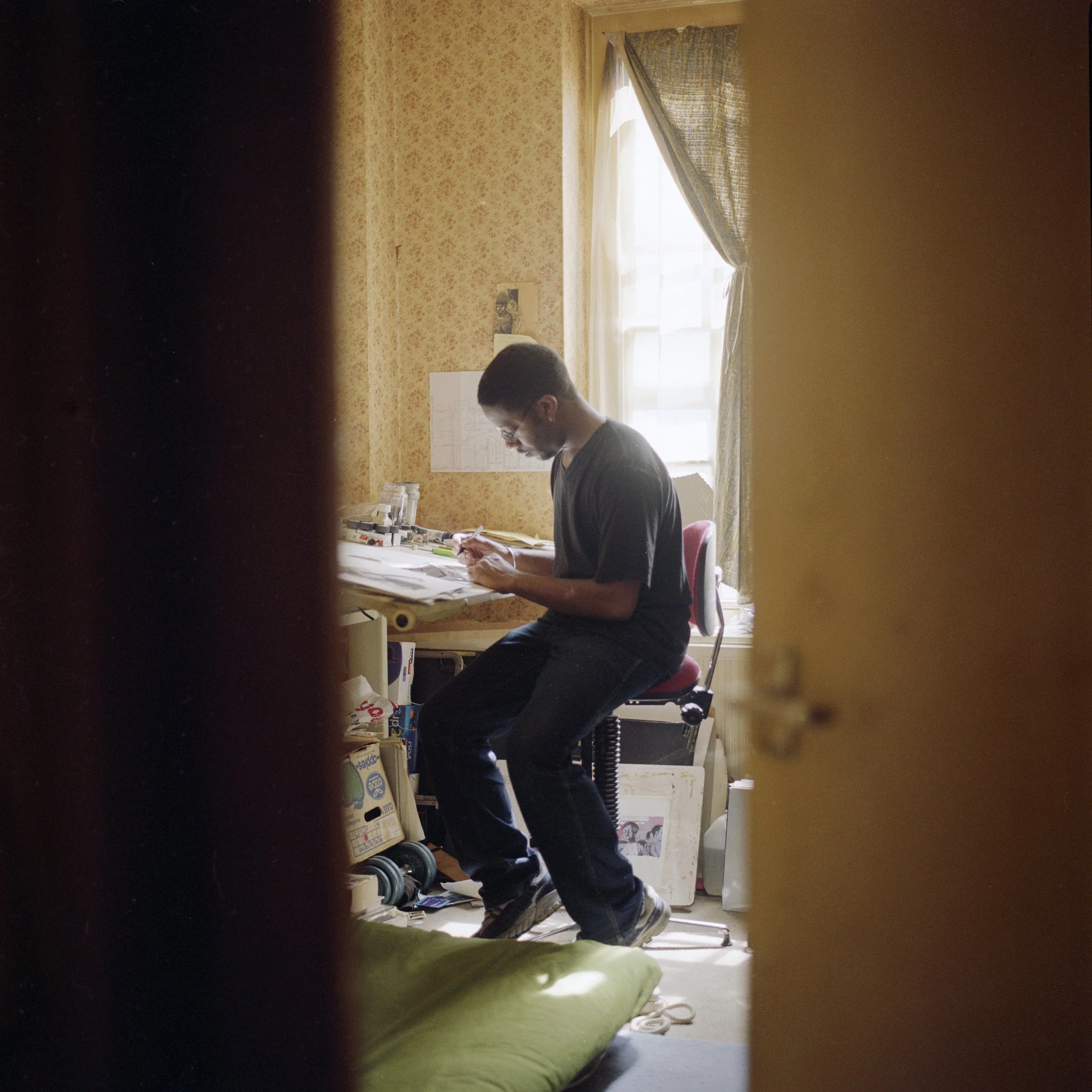
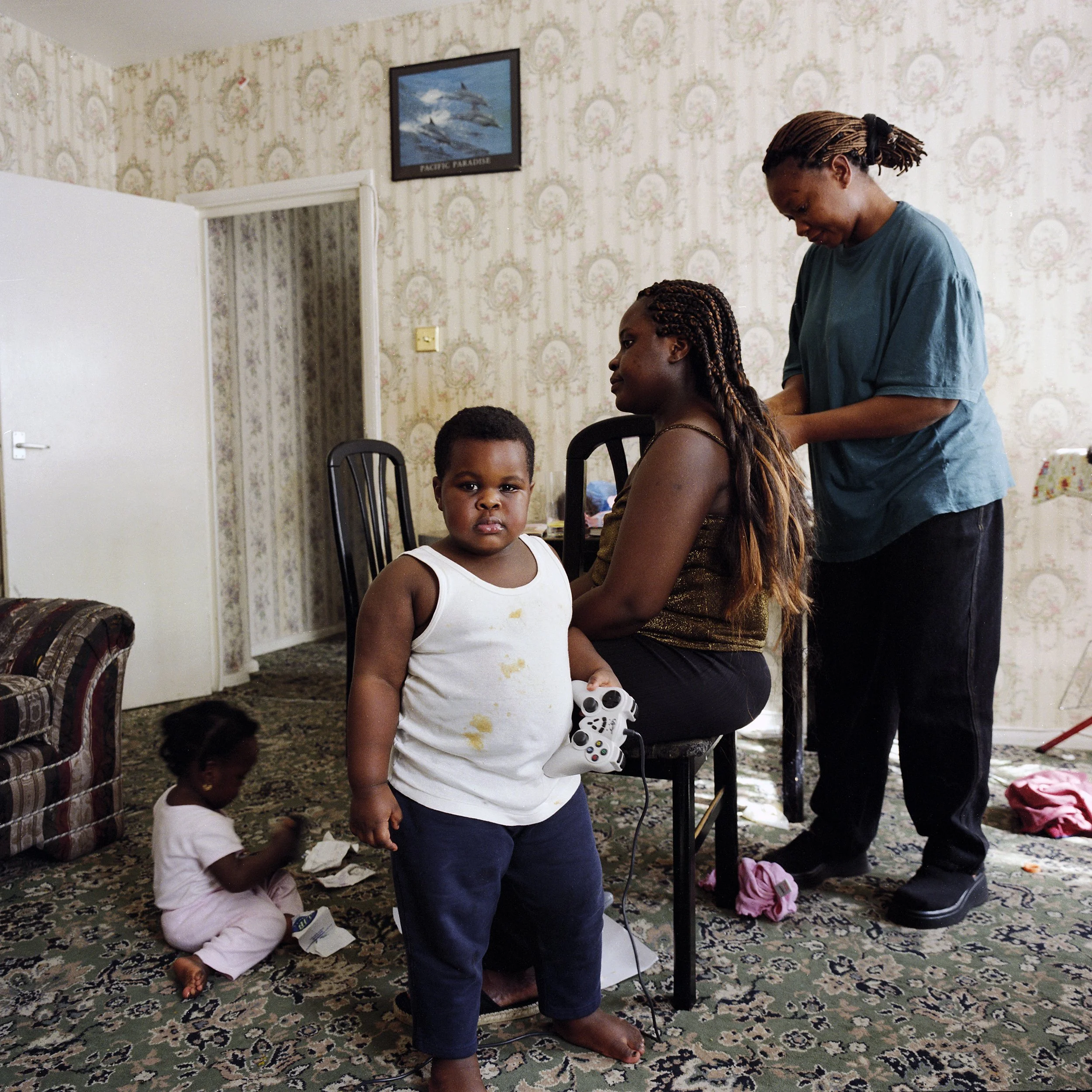
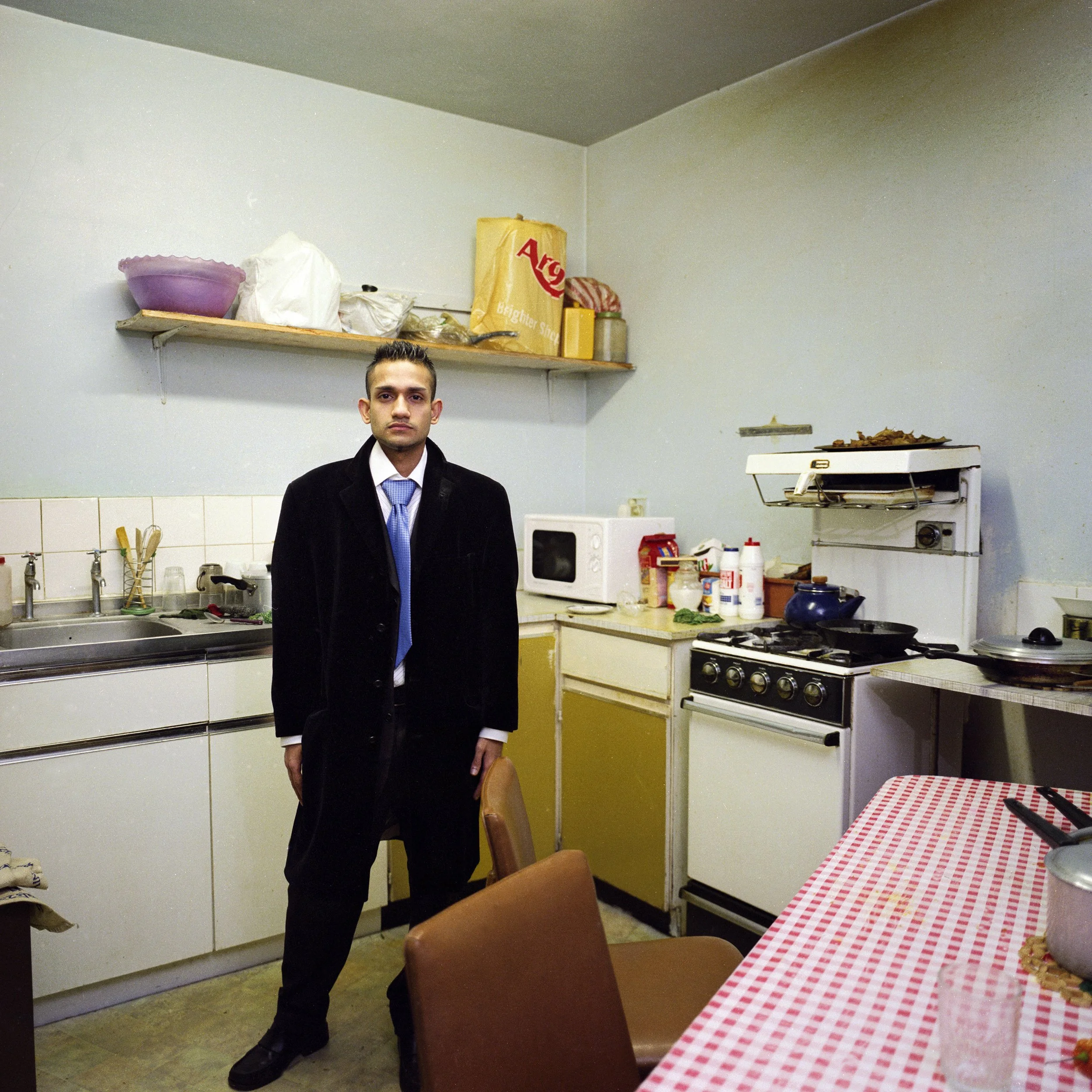
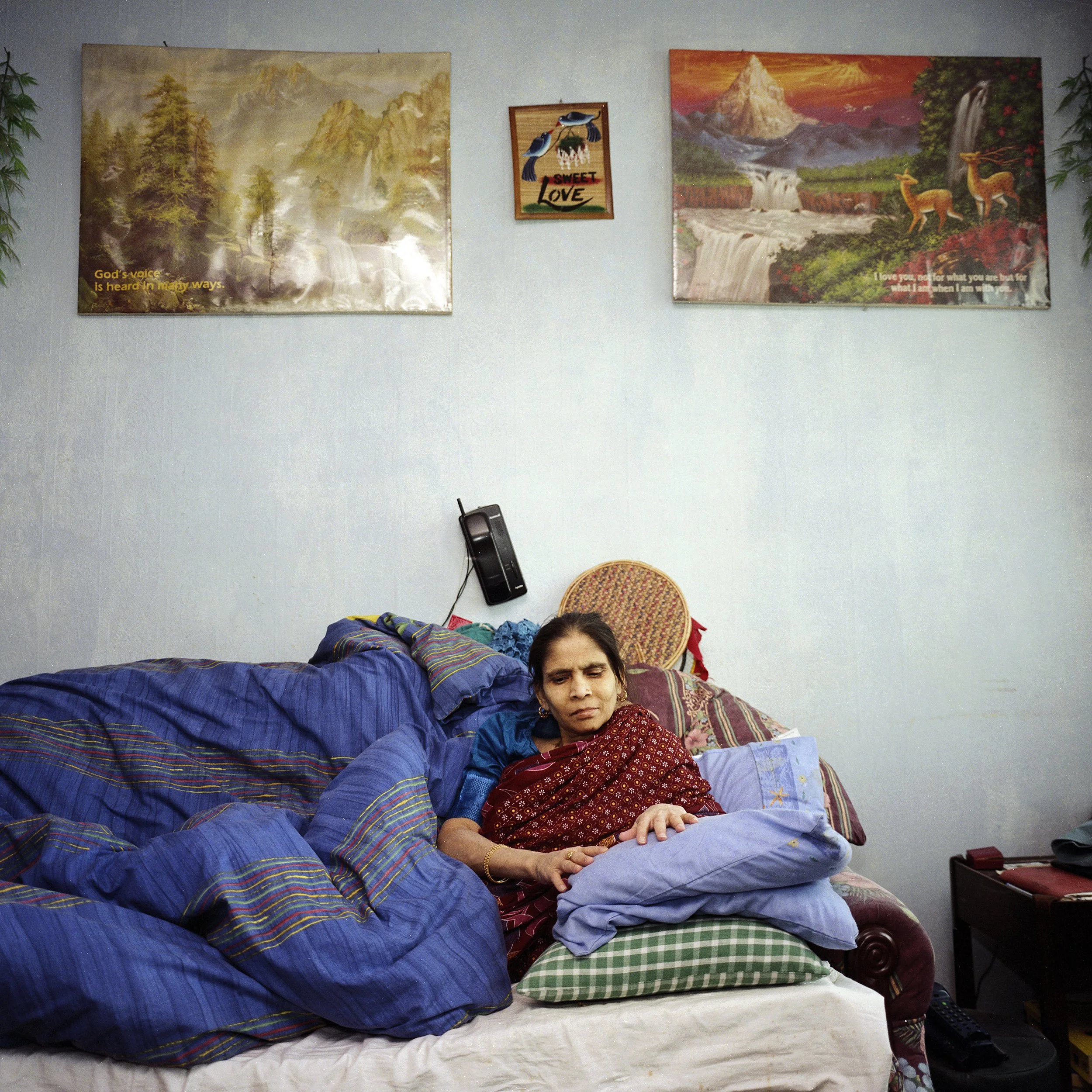
I had to find a building that was due to be demolished and get everyone who lived in it to agree to have their photograph taken in the rooms of their home and then go back when it was being demolished to see my "chair" picture. And then have them sit side by side, but this time you would meet the person who sat in the chair.
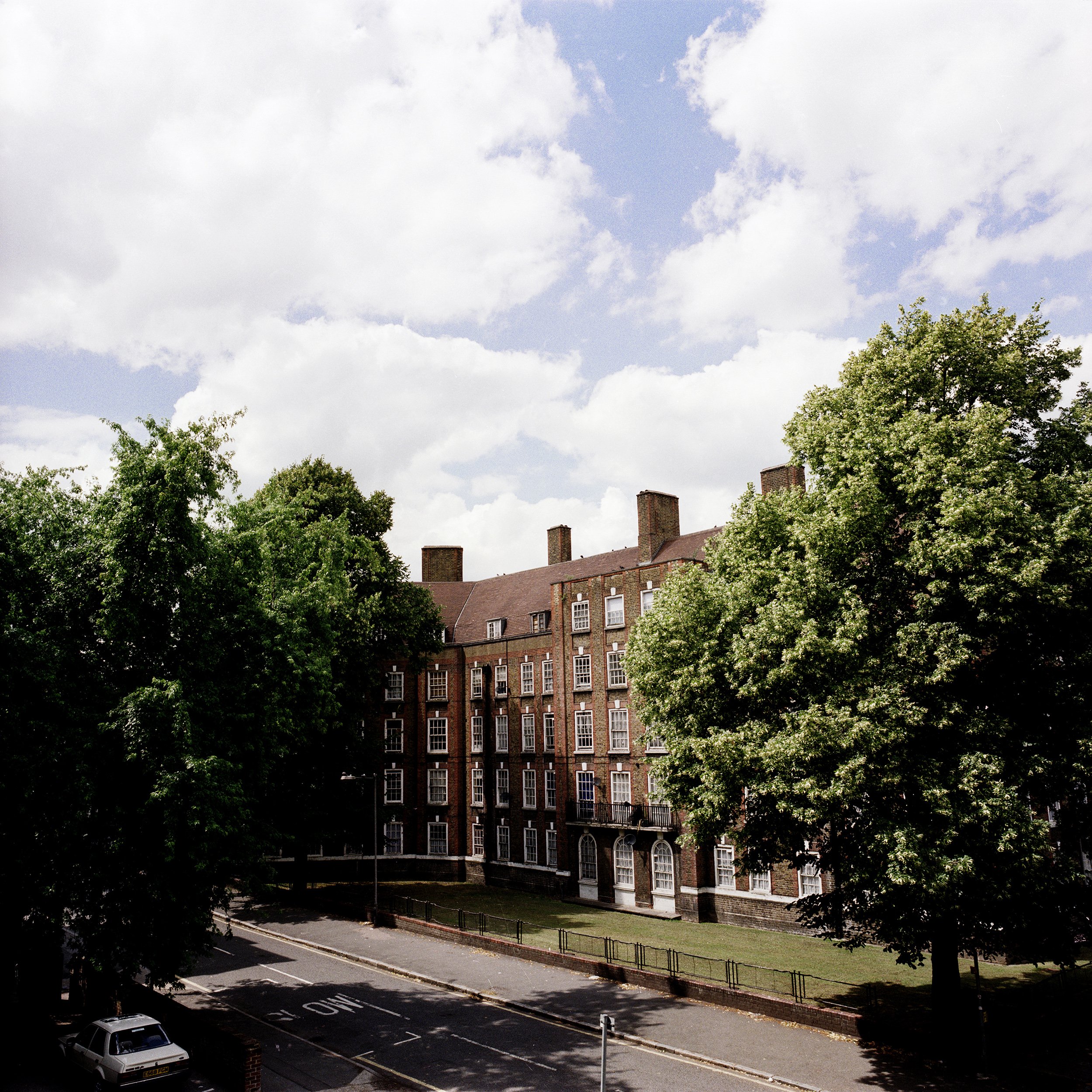
Longbow House was built in 1929 and in 1999 it was due for demolition as part of the development of Hoxton in East London. The area was working class but was fast becoming trendy as the artists and photographers who needed cheap space were being ever pushed east.
I came across it by getting in touch with all the local Housing Associations. Since Margaret Thatcher sold the family silver in the 1980s there wasn't really any Council Housing left. What there was was run by Housing Associations. Longbow was owned by Canalside Housing Trust. They were keen. They thought the residents would be up for it.
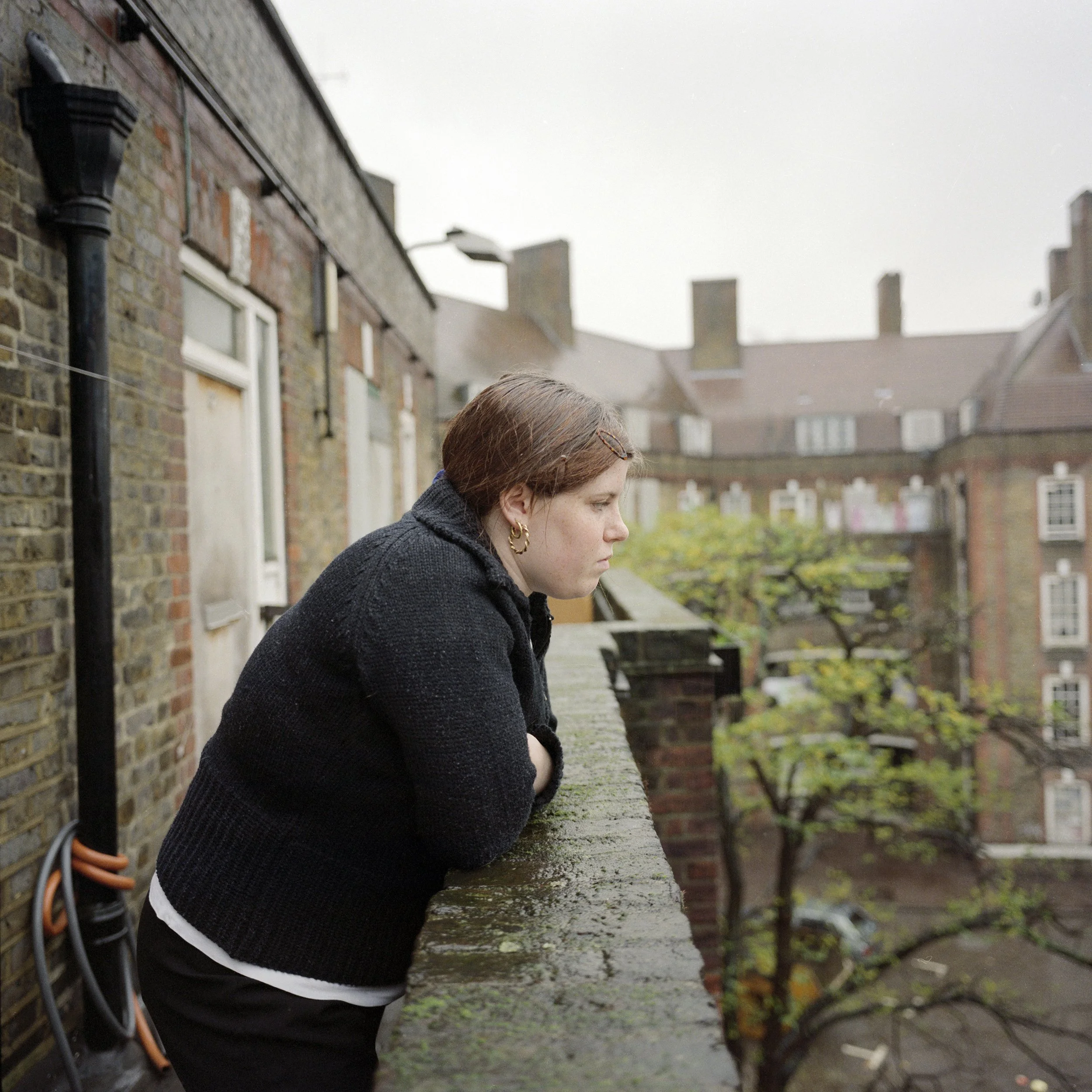
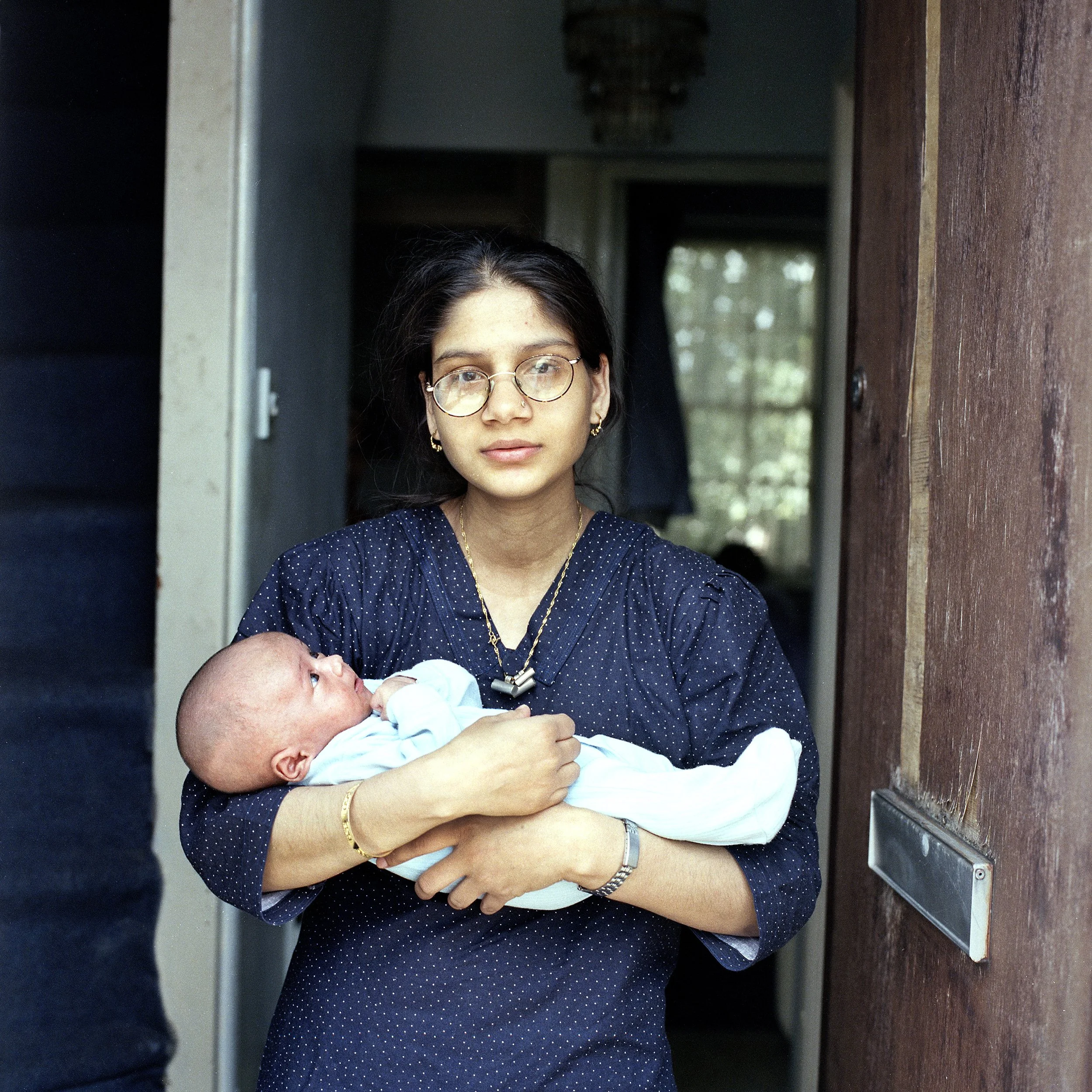
Caroline from the trust came with me knocking doors. Initially about 75% of the residents said no but I thought 25% was a start. The project took nearly four years, but by the end almost everyone had agreed to let me into their homes to be photographed. I was 28 at the time and had a young trustworthy face.
I shot Mr Kelleher on the very first day, on the first roll of what would go on to be hundreds of rolls of film, shot on my Hasselblad 501C and Mamiya 6. He was originally from Cork but had worked all his life in the coal mines in Yorkshire. He had black lung, common amongst miners; a cruel disease from inhaling coal dust. When he finished in the mines he came to live with his great niece Maria and her family, whose flat it was.
In the photograph he looks deep in thought. Maybe he was, but what he was actually doing was watching Teletubbies that happened to be on the TV that Maria's kids were watching.
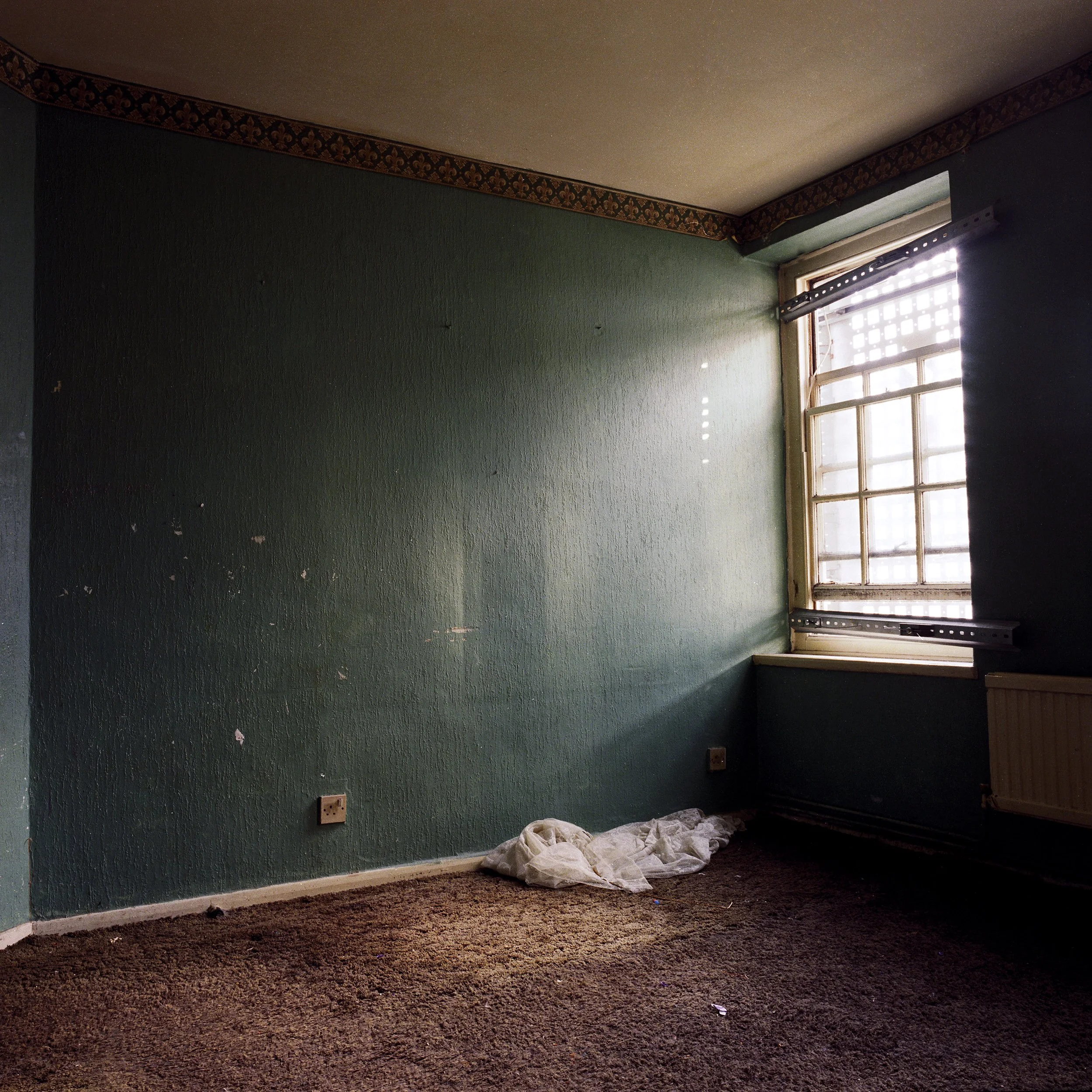
I would periodically bring round photographs to show the residents, so they could see how the project was going. It was a few months later I brought round this photograph of Mr Kelleher to show Maria. They were on the ground floor and had one of those flats where the front door was always open and people came and went. Everything was closed up. The next door neighbours told me that the family was all back in Cork at Mr Kelleher's funeral. It would be three years before I took the picture of the empty room when the Kellehers moved out and you could see the clean patch on the carpet. Now asking the question, "What armchair sat there, and who sat in it?" I had my answers.
Longbow House at the London Museum
The Guardian on Whatever Happened to Council Housing? Museum of London, 2004