
BELFAST
I am from Belfast, but I was born by accident in Wakefield. My parents were both from Belfast. My father was a civil engineer, building the last bridge on the M1, and by 1966 my mother had had enough of travelling — my brother had been born in Argentina — and wanted to go home. They bought a house in Belfast. The plan was that she would go on ahead, I would be born there, and my father would commute until the bridge was done.
I arrived seven weeks early, in a Leeds hospital. A month later, when I was strong enough, we went home, where I lived for the next twenty-one years.
Years later, studying history at school, we looked in depth at Don McCullin's photographs of Belfast at the height of the Troubles. His work was published in the Sunday Times in 1972; we came to it some years after that. He was photographing what I was seeing every day. It is what made me want to be a photographer.
The work here comes from three projects; a series made for the centenary exhibition of Belfast City Hall, the world premiere of Good Vibrations at the Ulster Hall, and book, The Regulars.
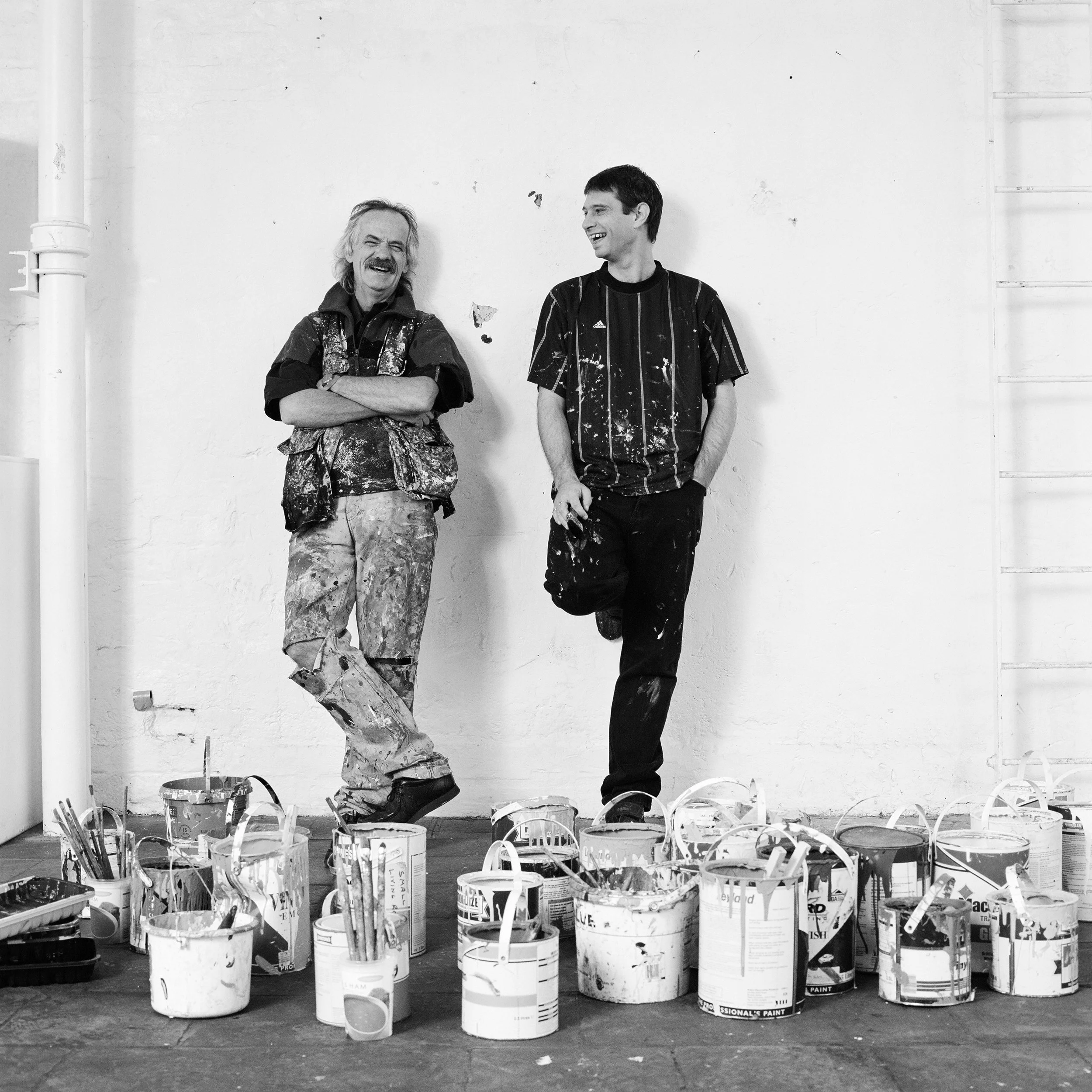
Danny Devenny and Mark Ervine — Mural artists. I was asked to do a series of photographs for an exhibition to mark the centenary of Belfast City Hall. They gave me more or less free rein as to what I wanted. I wanted to get two mural painters from either side of the divide. The murals at the time were controversial political and paramilitary propaganda. Danny joined the IRA aged fifteen and was jailed for robbing a bank in 1973. He discovered art in prison and went on to create the most iconic murals on the Falls Road, most notably the portrait of Bobby Sands, the first hunger striker to die in the H-Blocks in 1981. Mark's father, David, was in the UVF, a terrifying loyalist paramilitary group. He was jailed for eleven years in 1974 for driving a stolen car full of explosives. Out of prison he became a politician, believing in the ballot box and not the Armalite, and a key figure in the loyalist ceasefire of 1994, the peace process, and the Good Friday Agreement that maintains a fragile peace to this day. I asked them if they would do a photograph together. I thought, no chance. They both said yes immediately. They knew of each other but had never met. They met for the first time in front of my camera. I wasn't sure what to expect. They weren't nervous at all. I was. They were more interested in the make of paint they were using and how weatherproof it was. For me it was important that it was against a blank wall, a blank canvas, with no red white and blue and no green white and gold. The tins of paint gave them the option to say whatever they wanted. I didn't ask them to say anything, and that day they didn't want to say anything either. They were just politely interested in each other's story. They have painted together ever since — first in Liverpool, then Washington DC, then around the world, supporting peace and reconciliation. It's the way forward. Thank you both.
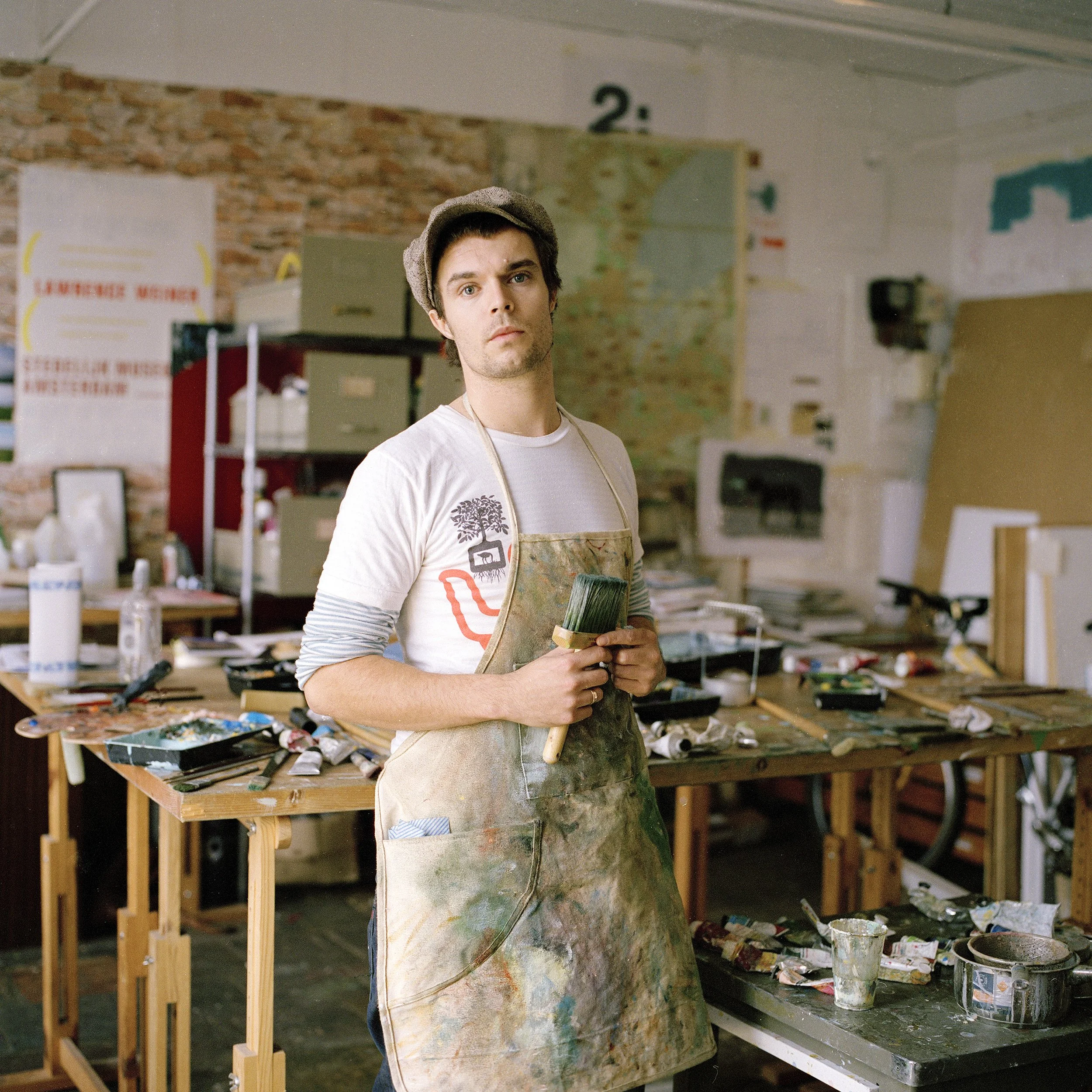
Oliver Jeffers - Artist and author.
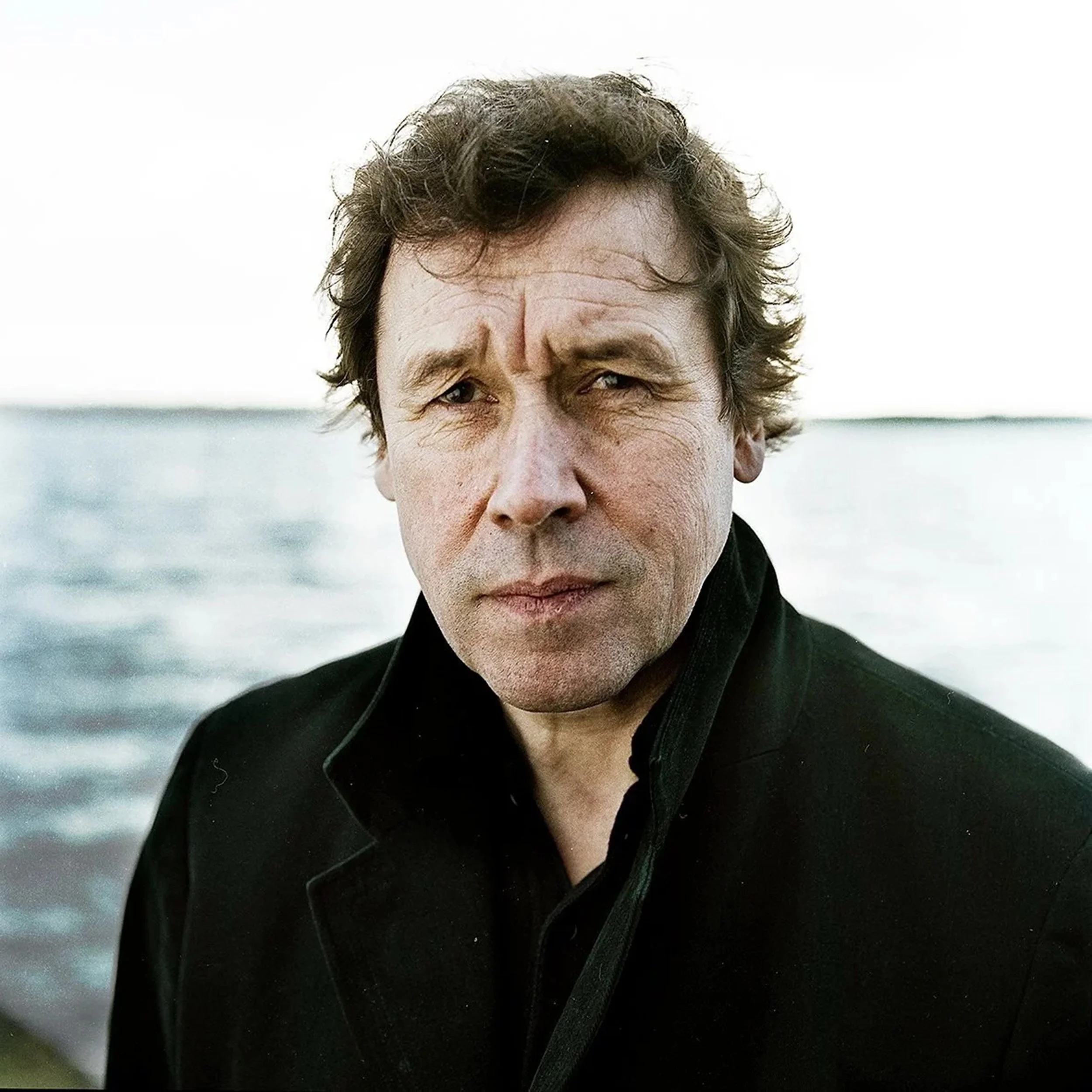
Stephen Rea - Actor
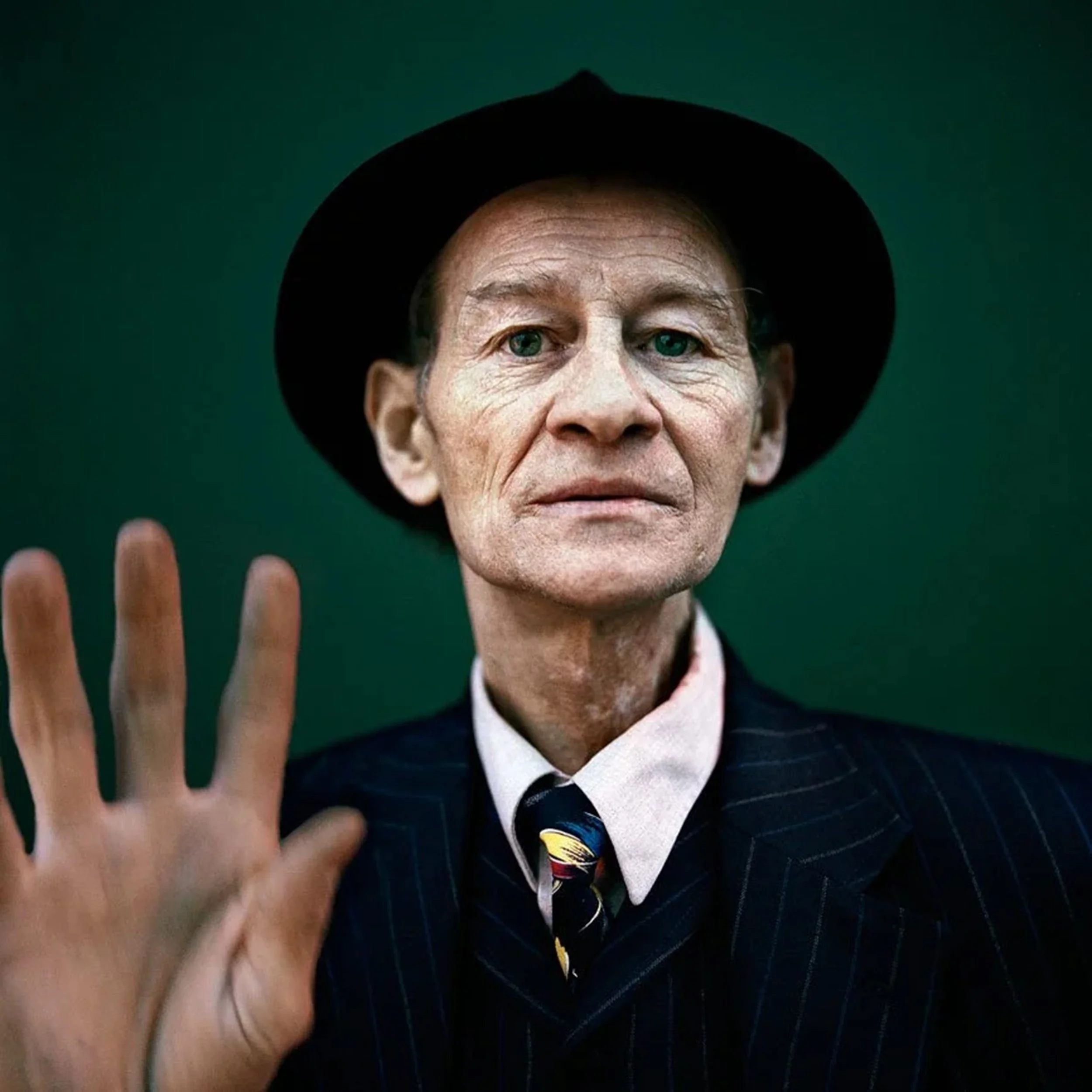
Alex 'Hurricane' Higgins. 1949-2010. Snooker champion.I was commissioned to take his photograph as part of an exhibition at Belfast City Hall. I had to get him to agree to it. Alex at the time had throat cancer and was addicted to both alcohol and gambling. My brother told me he could always be found in one of three places, bars in the city centre next door to bookmakers. He always wore the same black fedora and long black coat. I had been warned that his mood was dictated by the outcome of the last race he'd put money on. He kept saying no. On the last day before I had to deliver, I phoned him from the car and said, "Alex, I'm on my way to the airport. I really want you to do this but it is now or never. Will you please do this?" He said, "I'm in the Royal." The Royal bar is in Sandy Row, close to the centre of Belfast. It is hardcore loyalist territory. Although it's near the city centre, you wouldn't go there without a reason. It was the kind of place traffic wardens never set foot in, out of fear. He made the two of us drink three pints of Guinness before we left. We shot the picture outside, against the bookie's wall next door. I got eight frames off and he put his hand up and said, "Enough." He wanted some of the photographs. I said of course. The only thing he had in his pocket was a book of dockets from the bookmaker's, and he wrote his address on one — a hostel just a few doors away. We used the last frame. I phoned him in January and told him the photograph was also going to hang as part of a major exhibition at the National Portrait Gallery in London in a few months. After a long pause he said, "Well… I won't be the first Belfast man to hang in London." And he put the phone down. I never spoke to him again. He was dead before the show opened later that year. I still have the William Hill docket. It's on my wall underneath his picture.
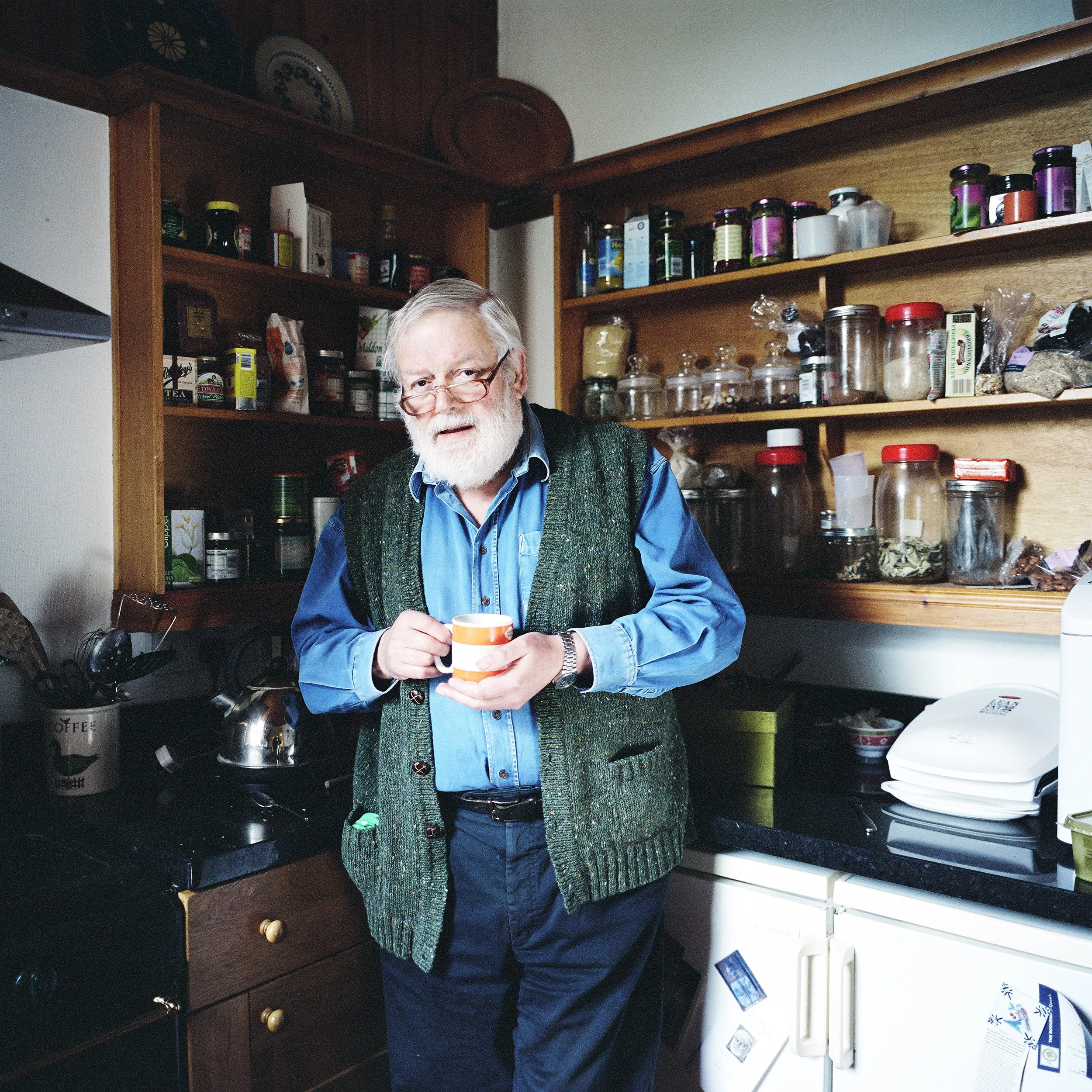
Michael Longley - 1939-2025. Poet.
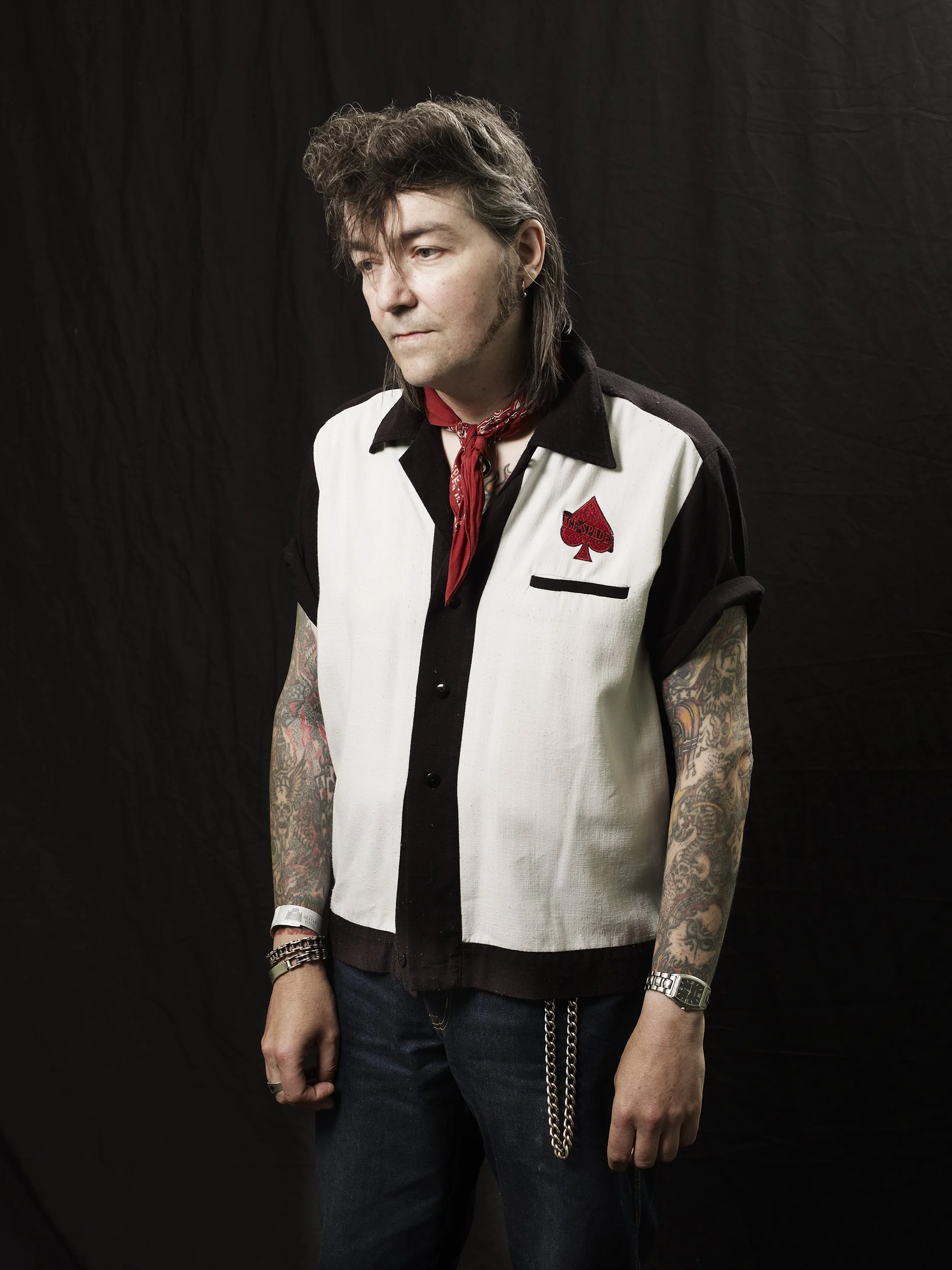
Brian Young - The Saberjets.
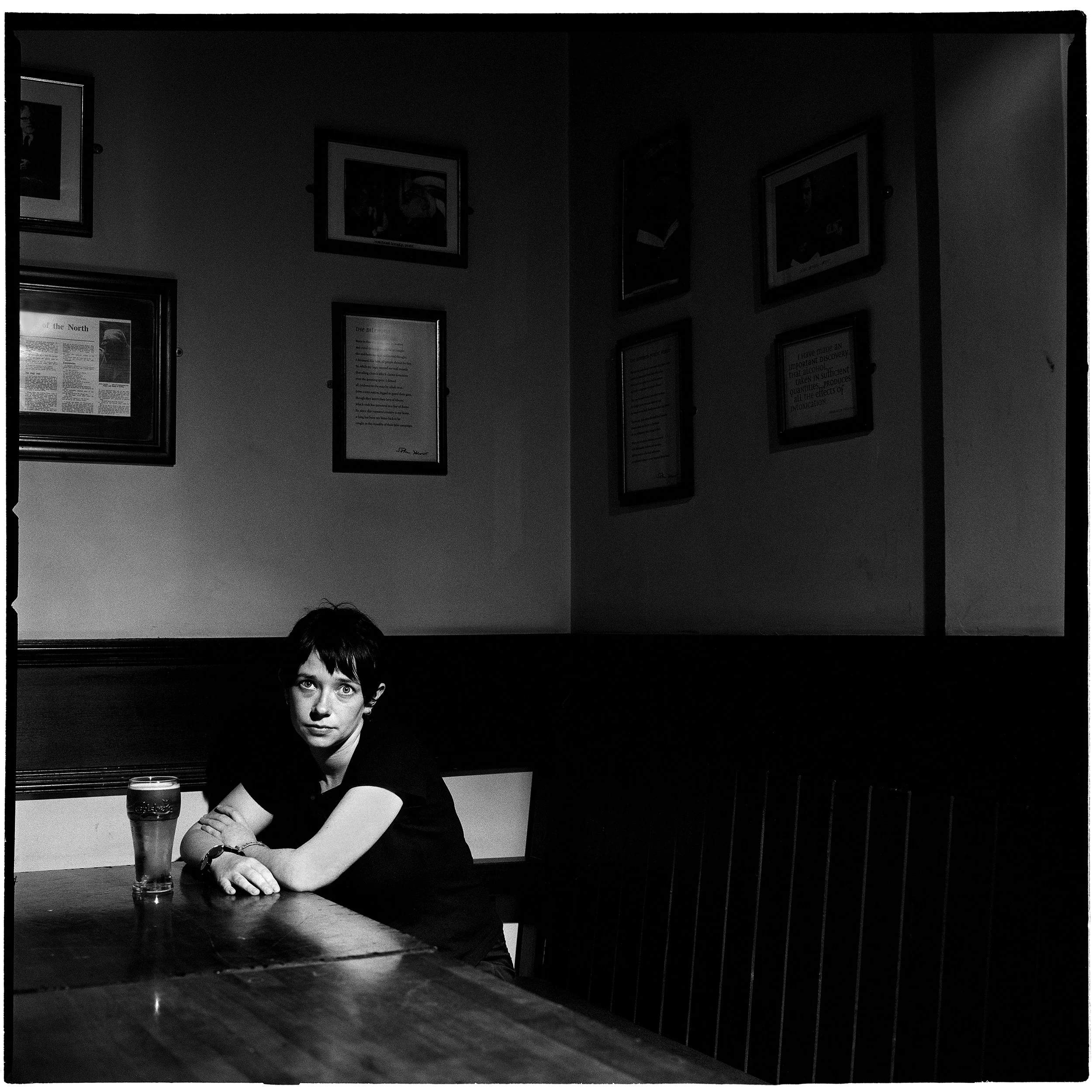
Collette Norwood - The British Council.
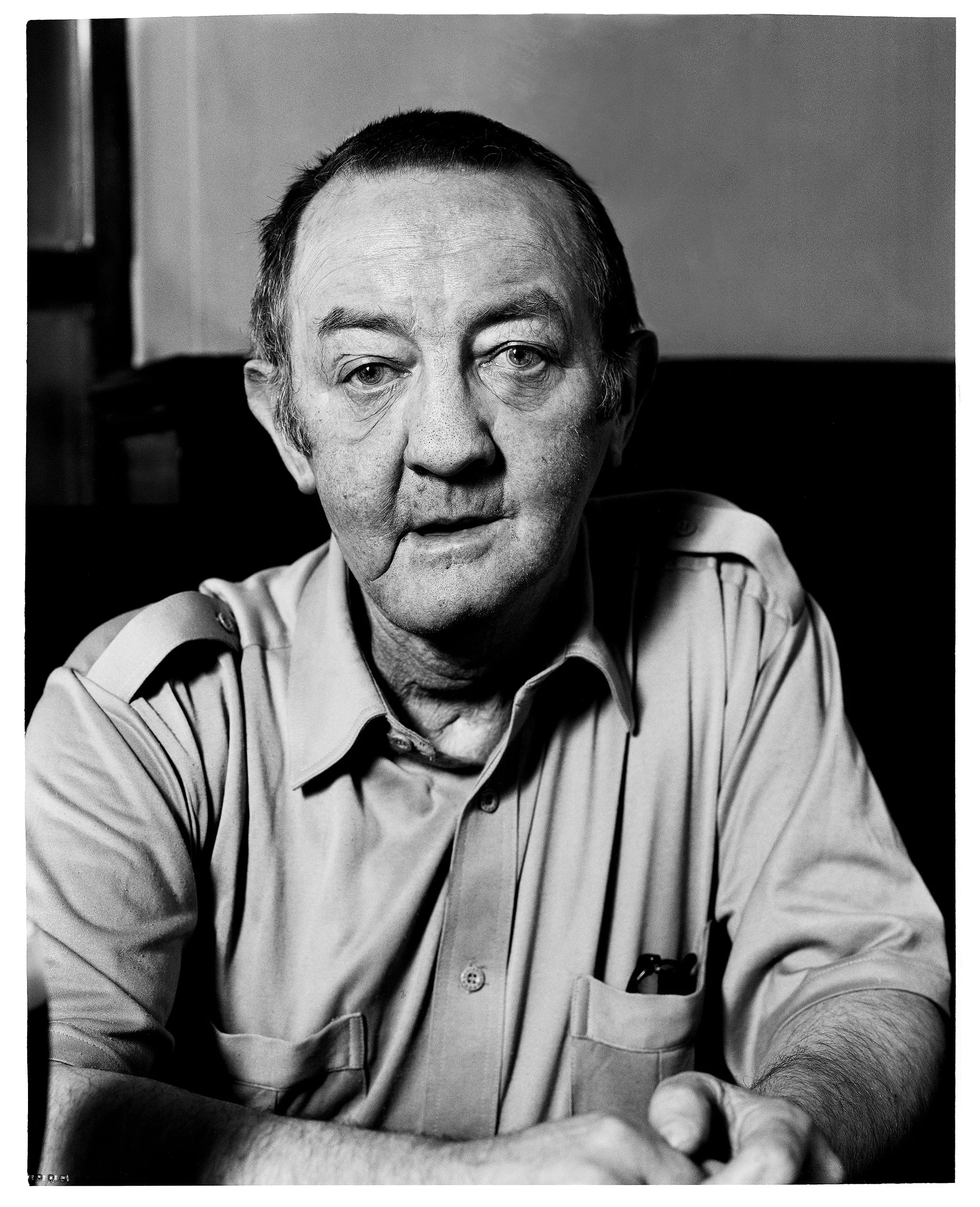
John Caldwell - 1938-2009. Boxer John was 18 years old when he won a bronze medal at the 1956 Melbourne Olympics. He went on to win British and Commonwealth titles before retiring in 1964. He was married with five kids. I asked him if any of them boxed? He said, "Just the wife."
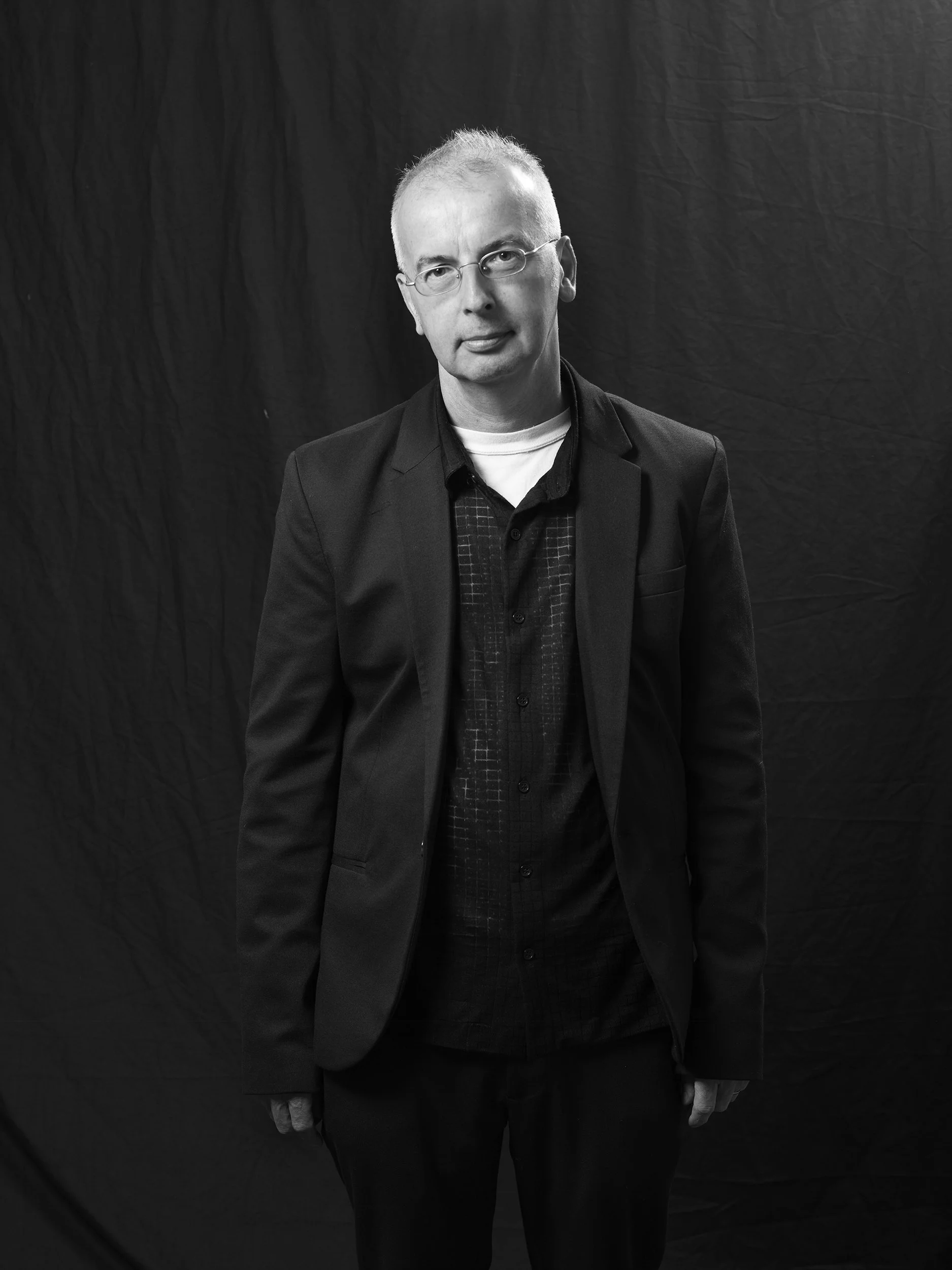
John O'Neill - the Undertones. John wrote, Teenage Kicks.
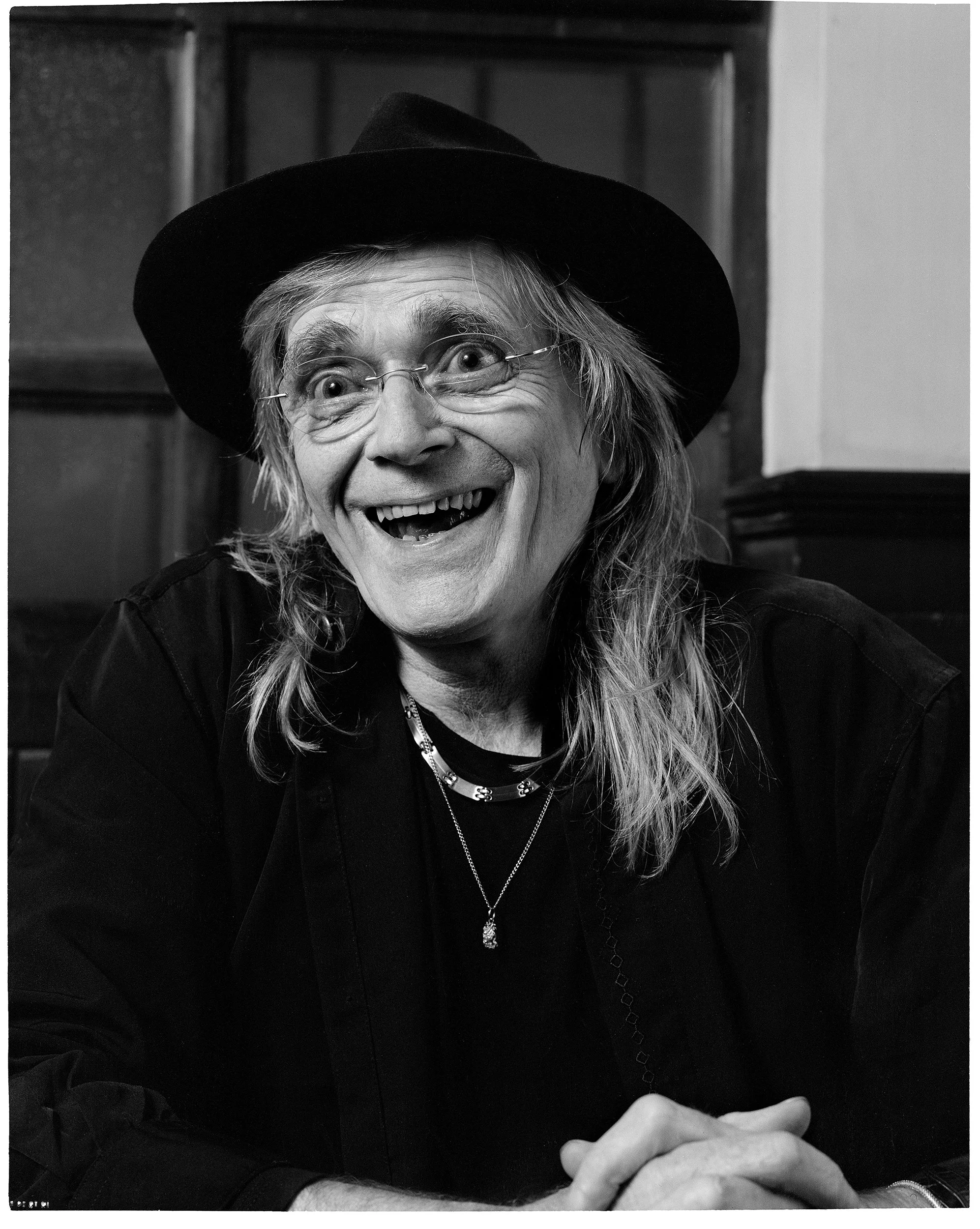
Henry McCullough - 1943-2016. Guitarist with Wings.
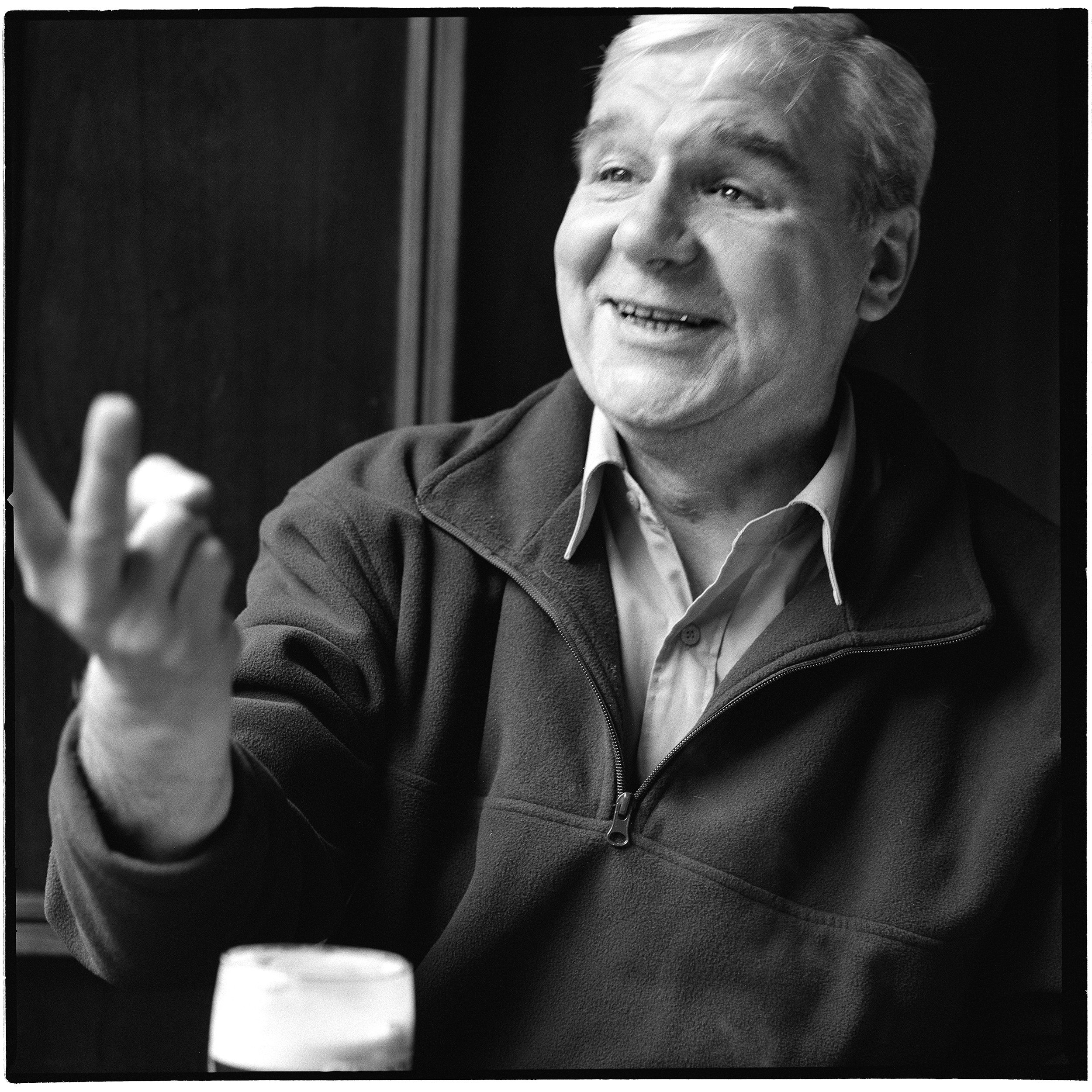
Terri Hooley - Godfather of Belfast punk.
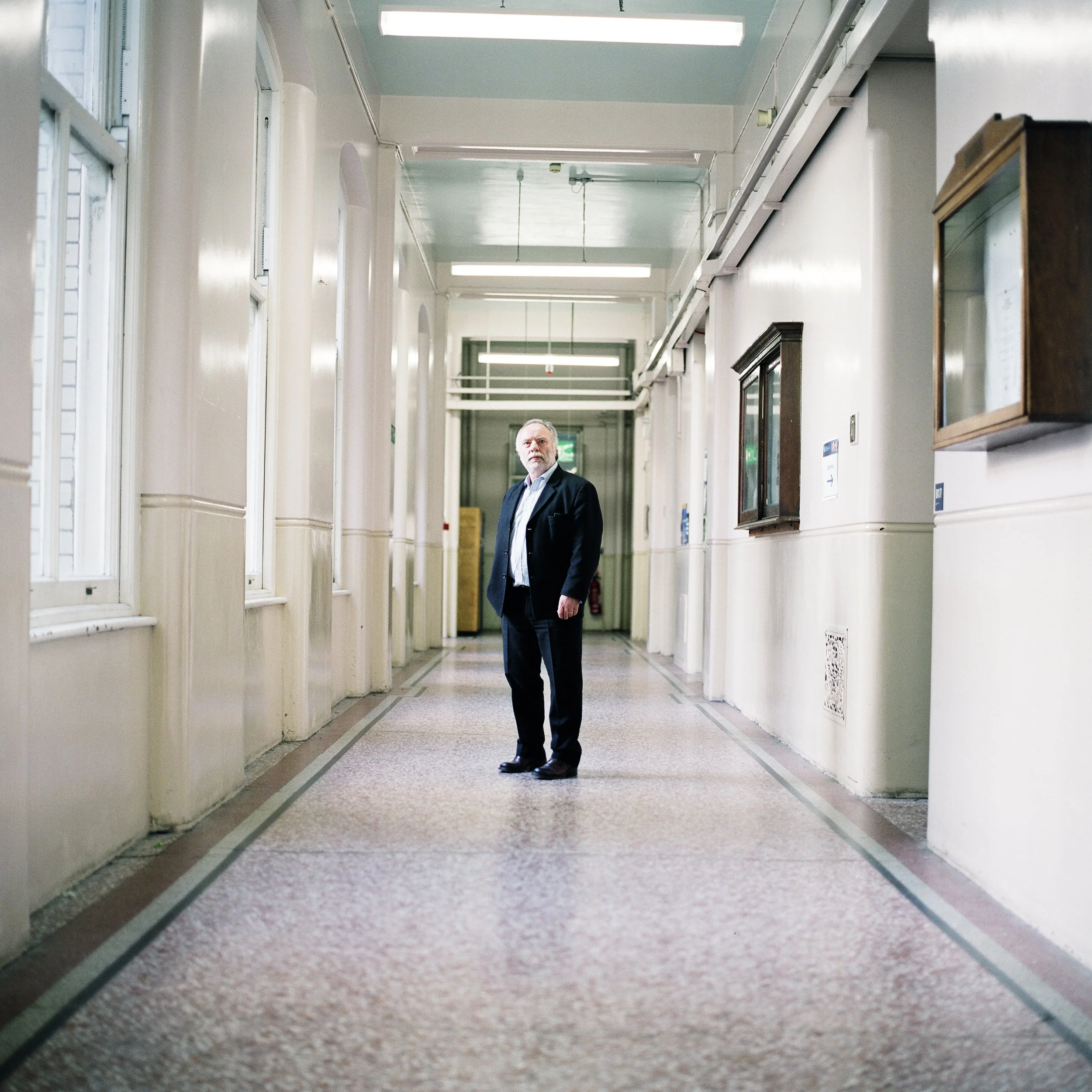
Brian Keenan - Teacher.
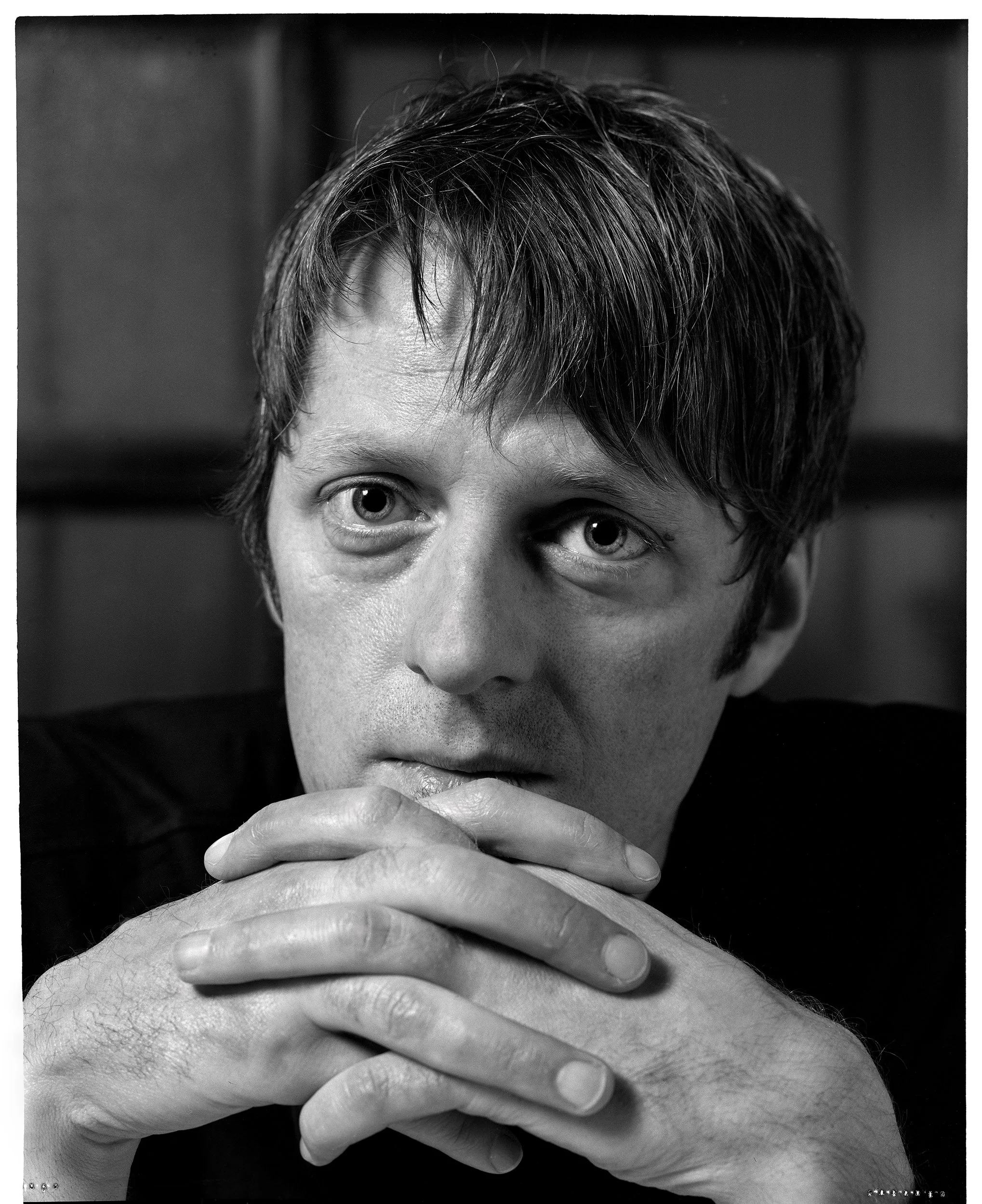
Glenn Patterson - Writer.